


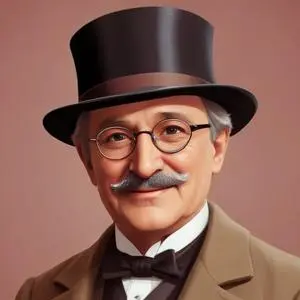
A renowned composer of symphonies and sacred music, known for his complex harmonies and innovative orchestration. His works are considered a bridge between Romanticism and modern classical music.
Anton Bruckner, a renowned Austrian composer and organist, is best known for his symphonies and sacred music, which includes Masses, Te Deum, and motets. His compositions are considered the epitome of the final stage of Austro-German Romanticism, characterized by their rich harmonic language, strongly polyphonic character, and considerable length.
Born on September 4, 1824, in Ansfelden, a village near Linz, Austria, Bruckner came from a family of farmers and craftsmen with a history tracing back to the 16th century. His early life was marked by a strong inclination towards music, which led him to become an organist at the local church in Ansfelden.
Bruckner's compositions have had a profound impact on the world of classical music, influencing renowned composers such as Gustav Mahler and Richard Strauss. His symphonies, in particular, have been performed by leading orchestras worldwide, solidifying his position as a visionary composer.
Bruckner's music was not without controversy, with some critics, such as Eduard Hanslick, labeling his symphonies as too long and repetitive. However, these criticisms were countered by the admiration of subsequent composers, who recognized his innovation and genius.
Bruckner's humble nature is reflected in his own words: "I am not a learned man, but I try to do my duty."
Bruckner's music continues to inspire and influence contemporary composers, conductors, and musicians. His symphonies and sacred music remain an integral part of classical music repertoire, ensuring his legacy for generations to come.
Born in 1813
A revolutionary composer who transformed opera with his epic, mythological works, creating a new era of musical storytelling. His iconic operas, such as "Der Ring des Nibelungen," continue to captivate audiences worldwide.
Born in 1770
A musical genius who expanded the possibilities of classical music, creating iconic symphonies and piano sonatas that continue to inspire and influence generations of artists.
Born in 1811
A virtuosic pianist and composer who revolutionized classical music with his technically demanding and emotionally expressive works, blending Hungarian folk influences with Romantic-era drama.
Born in 1833
A renowned pianist and composer, he crafted complex, expressive works that blended traditional and innovative techniques, leaving an indelible mark on classical music.
Born in 1860
A visionary composer and conductor who expanded symphonic music's emotional depth and complexity, creating works of profound beauty and intensity.
Born in 1864
A renowned composer and conductor of the late Romantic era, known for his tone poems and operas that showcased his mastery of orchestration and expressive storytelling.
Born in 1895
A renowned composer and educator, he's famous for his iconic cantata "Carmina Burana", which has become a cultural phenomenon, and his innovative approach to music education.
Born in 1803
A French Romantic-era mastermind who composed iconic symphonies, operas, and orchestral works, revolutionizing classical music with his bold, expressive style.
