


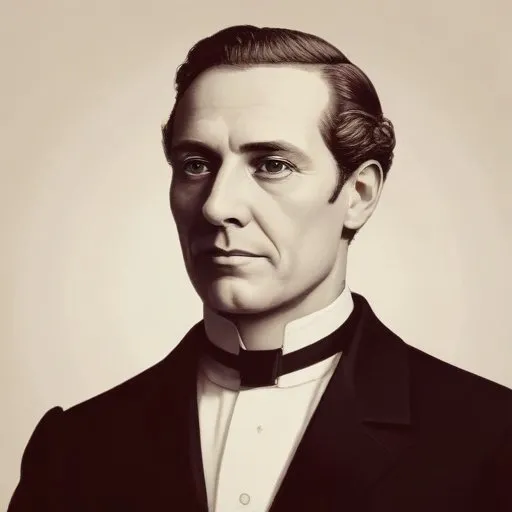
A renowned 19th-century musician, he composed over 500 works, including operas, symphonies, and chamber music, and conducted prestigious orchestras in Europe. His music blended classical and romantic styles.
Ferdinand Hiller, a renowned German composer, conductor, pianist, and music director, left an indelible mark on the world of classical music. With a career spanning over five decades, Hiller's contributions to the realm of music are nothing short of remarkable, earning him a revered place among the greats.
Born to a wealthy Jewish family in Frankfurt am Main on October 24, 1811, Hiller's talent was discovered early, and he was taught piano by the leading Frankfurt musician Alois Schmitt. His prodigious skills led to public performances at the tender age of 10, where he showcased his mastery of Mozart's concertos.
Hiller's life took a significant turn when he met Felix Mendelssohn, a friendship that would last until 1843. The two boys found an immediate connection, and their bond played a crucial role in shaping Hiller's musical perspective. Hiller also had the privilege of studying under Johann Nepomuk Hummel in Weimar, where he claimed to have secured a lock of Beethoven's hair, a souvenir that would become a prized possession.
Hiller's professional journey began as a conductor, and he soon made a name for himself in the musical circles of Europe. He led the Gewandhaus Orchestra in Leipzig, a position previously held by his friend Mendelssohn. As a composer, Hiller's works showcased his mastery of melody, with his cantata, Nala und Damajanti, being performed to great acclaim.
Ferdinand Hiller's impact on classical music is undeniable. He was a bridge between the classical and romantic eras, influencing a generation of composers, including Franz Liszt and Robert Schumann. Hiller's legacy extends beyond his music, with his tireless efforts to promote music education and appreciation earning him recognition as a pioneer in music pedagogy.
"Music is the divine way to tell beautiful, poetic things to the heart."
Ferdinand Hiller was honored with the title of Royal Prussian Music Director, a recognition of his contributions to the world of music.

Ferdinand Hiller's life was a testament to his passion for music, and his contributions continue to inspire generations of musicians and music lovers alike. As we delve into the world of classical music, Hiller's name stands tall as a shining example of dedication, creativity, and excellence.
Born in 1813
A revolutionary composer who transformed opera with his epic, mythological works, creating a new era of musical storytelling. His iconic operas, such as "Der Ring des Nibelungen," continue to captivate audiences worldwide.
Born in 1770
A musical genius who expanded the possibilities of classical music, creating iconic symphonies and piano sonatas that continue to inspire and influence generations of artists.
Born in 1811
A virtuosic pianist and composer who revolutionized classical music with his technically demanding and emotionally expressive works, blending Hungarian folk influences with Romantic-era drama.
Born in 1810
A renowned Romantic-era composer and influential music critic, known for his expressive and emotionally charged works, including symphonies, piano music, and art songs.
Born in 1833
A renowned pianist and composer, he crafted complex, expressive works that blended traditional and innovative techniques, leaving an indelible mark on classical music.
Born in 1809
A renowned 19th-century musician who masterfully blended classical and romantic styles, creating iconic works like the "Wedding March" and "Elijah" oratorio. His compositions continue to inspire and influence generations of artists.
Born in 1813
A renowned composer of iconic operas like La Traviata and Aida, known for his masterful blending of drama and music. His works continue to captivate audiences worldwide.
