


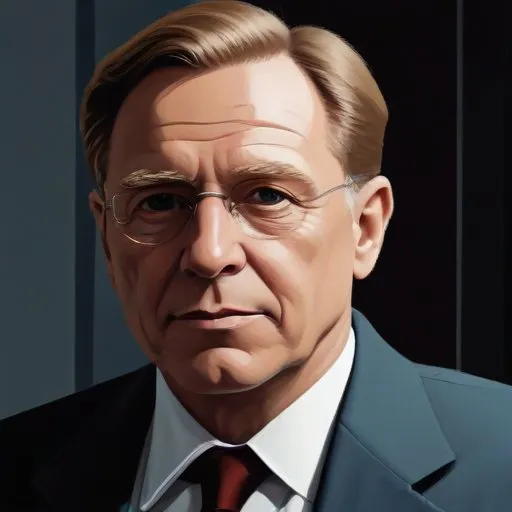
Pioneering filmmaker behind numerous serials and B-movies, particularly in the Western and sci-fi genres, leaving a lasting impact on the early days of cinema.
Ford Beebe was a screenwriter and director extraordinaire, responsible for crafting over 200 films across a 60-year span, with a specialization in B-movies and action serials that captivated audiences worldwide. His notable works include the Buck Rogers and Flash Gordon serials for Universal Pictures, cementing his reputation as a master of the genre.
Born on November 26, 1888, in Grand Rapids, Michigan, Ford Beebe's journey into the film industry began as a freelance writer and advertising expert before making his way to Hollywood in 1916. His first credit as a scenario writer was for the 1916 film A Youth of Fortune.
Beebe's directorial debut came when Leo D. Maloney fell ill during the production of The Test, and he stepped in to take the reins. This marked the beginning of his ascension as a director of low-budget films and serials, earning him the reputation of being an expert at "making something out of nothing."
The 1932 serial The Shadow of the Eagle was Beebe's first directorial effort, followed by a string of successful serials such as Flash Gordon's Trip to Mars, Buck Rogers, The Green Hornet, and Don Winslow of the Navy, which film historian Hal Erickson deemed as some of Beebe's finest works.
Alfred Hitchcock, the renowned director, praised Beebe's 1942 film Night Monster, commending him on the speed and economy of the production.
Ford Beebe was married to writer Frances Wiley, and together they had eight children, including a son, Ford Beebe Jr., who followed in his father's footsteps to become a director. The couple lost twin daughters in infancy and had five surviving daughters, Frances, Mary, Ruthann, Maxine, and Martha. In his later life, Beebe married Kitty Delevanti, with whom he had a son, Mike.
Ford Beebe's prolific output and mastery of the B-movie and serial genres have left an indelible mark on the film industry. His ability to craft engaging stories on a shoestring budget has inspired generations of filmmakers, cementing his place in the annals of cinematic history.
Ford Beebe's remarkable career serves as a testament to his boundless creativity, versatility, and innovative spirit, earning him a permanent place in the hearts of film enthusiasts and industry professionals alike.
Born in 1894
Acclaimed filmmaker behind iconic Westerns and dramas, credited with shaping the American cinematic landscape with his visually stunning and emotionally charged storytelling.
Born in 1875
Pioneering filmmaker behind groundbreaking silent movies, credited with developing innovative camera techniques and narrative storytelling styles.
Born in 1881
Pioneering filmmaker behind epic biblical and historical dramas, known for lavish sets and sweeping cinematography.
Born in 1892
A pioneering filmmaker who charmed audiences with sophisticated comedies and witty romantic dramas, often blending satire and social commentary.
Born in 1888
A pioneering filmmaker who crafted hauntingly beautiful and influential silent movies, including the iconic vampire classic "Nosferatu".
Born in 1887
Pioneering filmmaker who directed over 140 films, including iconic Westerns and adventure movies, known for his innovative storytelling and visual style.
Born in 1902
Acclaimed filmmaker behind iconic movies like "Ben-Hur" and "Roman Holiday", known for his meticulous attention to detail and ability to elicit powerful performances from actors.
Born in 1896
Pioneering filmmaker behind classic movies like "Scarface" and "His Girl Friday", known for his versatile directing style and witty dialogue.
