


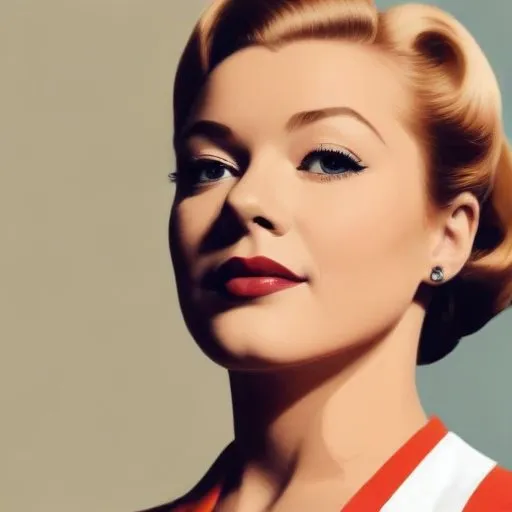
A popular actress and singer of the 1930s and 1940s, known for her sweet, sultry voice and starring roles in films and radio shows.
Frances Langford, affectionately known as the GI Nightingale, was an American singer and actress who captivated audiences during the Golden Age of Radio and went on to make film and television appearances for over two decades. Her sultry contralto voice, warm smile, and endearing personality earned her a special place in the hearts of American armed forces, who adored her as an American armed forces sweetheart.
Born Julia Frances Newbern Langford on April 4, 1913, in Lakeland, Florida, Langford's early life was marked by a passion for music. She originally trained as an opera singer, but a tonsillectomy at a young age changed her soprano range to a rich contralto, forcing her to adapt her vocal approach to a more contemporary big band and popular music style.
Langford's big break came at the age of 17, when she began singing for local dances. Cigar manufacturer Eli Witt, who heard her sing at an American Legion party, hired her to sing on a local radio show he sponsored. This opportunity led to her discovery by Rudy Vallee, who invited her to become a regular on his radio show. From 1935 to 1938, she was a regular performer on Dick Powell's radio show.
Langford's radio career was marked by numerous appearances, including a brief stint on Louella Parsons' radio show Hollywood Hotel and a popular run on The Bickersons radio comedy from 1946 to 1951, where she played the role of Blanche, the insufferable wife, alongside Don Ameche.
In film, Langford made her debut in Every Night at Eight (1935), introducing her signature song "I'm in the Mood for Love." She went on to appear in films such as Broadway Melody of 1936 (1935), Born to Dance (1936), and Too Many Girls (1940), often popularizing hit songs like "Broadway Rhythm" and "You Are My Lucky Star."
Langford's most enduring legacy, however, lies in her tireless efforts to entertain American troops during World War II and beyond. She frequently toured with Bob Hope, entertaining soldiers and earning the nickname "GI Nightingale." Her dedication to the troops and her charming on-stage presence made her an American icon of the time.
Frances Langford's impact on popular culture extends beyond her impressive body of work. She was an early advocate for women's roles in entertainment, paving the way for future generations of female performers. Her legacy continues to inspire new artists, and her music remains a testament to the power of entertainment to bring people together.
Langford was honored with a star on the Hollywood Walk of Fame and was inducted into the Florida Artists Hall of Fame in 1994. She passed away on July 11, 2005, leaving behind a rich cultural heritage and a legacy that continues to inspire and delight audiences to this day.
Born in 1903
A legendary entertainer who brought laughter and joy to millions through his iconic comedy specials, films, and USO tours, leaving a lasting impact on American entertainment.
Born in 1918
A glamorous Hollywood icon of the 1940s, known for her stunning beauty, captivating dance moves, and memorable film roles. She was a major sex symbol and pin-up girl during World War II.
Born in 1904
Debonair leading man of Hollywood's Golden Age, starring in iconic romantic comedies and dramas, known for suave charm and witty banter.
Born in 1914
A sultry actress and singer who starred in popular 1930s-40s films, often playing exotic roles, and was known for her signature sarong dresses. She was a major Hollywood star during her time.
Born in 1903
Smooth-voiced crooner who dominated the music charts and silver screen with his warm, baritone voice and iconic Christmas tunes.
Born in 1893
A charismatic entertainer famous for his raspy voice, catchy tunes, and comedic antics, particularly his iconic nose and "Goodnight, Mrs. Calabash" sign-off.
Born in 1908
A legendary Broadway star and powerful vocalist, known for belting out iconic show tunes and starring in classic movie musicals.
Born in 1886
A legendary performer who charmed audiences with his powerful voice and charismatic stage presence, starring in the first "talkie" film, The Jazz Singer, and popularizing jazz and blues music.
