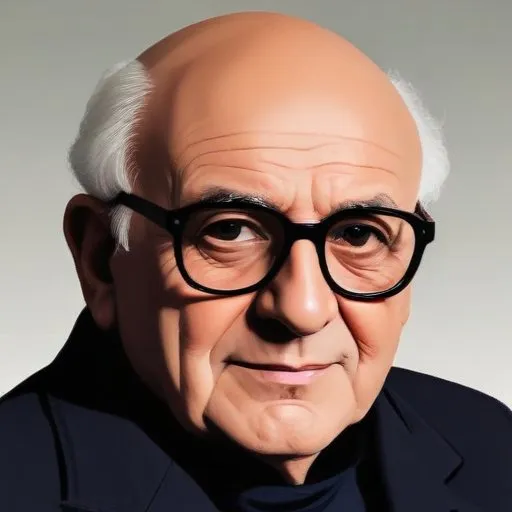
Francesco Rosi

Francesco Rosi

Francesco Rosi was born on November 15th, 1922

Nationality: Italian
Profession: Film Director, Screenwriter
Notable Work: Salvatore Giuliano
Film Genre: Drama, Historical
Awards: Cannes Film Festival
Influences: Neorealism
Collaborations: Vittorio Gassman
Legacy: Acclaimed Italian Director

Acclaimed filmmaker behind gritty, socially conscious dramas that exposed corruption and injustice in post-war Italy, earning numerous awards and acclaim.

Written by: Penelope Wildwood Penelope Wildwood

Francesco Rosi: The Maverick of Italian Cinema

A Legacy of Unflinching Truth

Francesco Rosi, the Italian filmmaker, screenwriter, and theatre director, is renowned for his unapologetic exploration of the human condition, politics, and societal ills through his cinematic masterpieces. His 1972 Cannes Film Festival-winning film, The Mattei Affair, cemented his reputation as a fearless storyteller who minced no words in portraying the harsh realities of life.

Early Life and Inspiration

Born on November 15, 1922, in Naples, Italy, Rosi's early life was marked by his father's rebellious streak, which would later influence his own filmmaking style. His father, a cartoonist, was reprimanded for his satirical drawings of Benito Mussolini and King Vittorio Emmanuel III, sowing the seeds of Rosi's disdain for oppression and injustice.

Rosi's academic pursuits led him to study law, but his creative inclinations soon took over. He began working as an illustrator of children's books and a reporter for Radio Napoli, where he formed lasting friendships with future collaborators, including Raffaele La Capria, Aldo Giuffr, and Giuseppe Patroni Griffi.

The Rise of a Maverick Filmmaker

Rosi's foray into show business began in 1946 as an assistant to Ettore Giannini for the stage production of a work by Salvatore Di Giacomo. He soon transitioned to the film industry, working as an assistant to Luchino Visconti on La Terra Trema (1948) and Senso (1954). Rosi's writing skills were honed through screenplays like Bellissima (1951) and The City Stands Trial (1952), and he even shot a few scenes of the film Red Shirts.

Awards and Accolades

Influence and Legacy

Rosi's films, particularly those from the 1960s and 1970s, carried an unflinching political message, often critiquing the establishment and societal norms. Though his later works shifted focus towards literary adaptations, his influence on modern Italian cinema remains profound. Thirteen of his films were screened at the 2008 Berlin International Film Festival, a testament to his enduring impact.

Rosi's legacy extends beyond his own oeuvre, inspiring future generations of filmmakers and writers to tackle complex, thought-provoking subjects.

Personal Milestones and Key Life Events

Philosophical Contributions and Beliefs

Rosi's films often explored the human condition, probing the depths of morality, politics, and social inequality. His commitment to portraying the truth, no matter how uncomfortable, has left an indelible mark on cinema. His legacy serves as a testament to the power of art in sparking crucial conversations and inspiring change.

Through his work, Rosi reminded us that cinema has the capacity to challenge, provoke, and ultimately, transform. As we continue to navigate the complexities of our world, Francesco Rosi's unwavering dedication to truth and justice serves as a beacon of inspiration.

Timeline
1922
Birth in Naples, Italy
Francesco Rosi was born on November 15, 1922, in Naples, Italy, to a family of modest means.
1948
Begins film career
Rosi began his film career as an assistant director, working with prominent Italian directors.
1962
Directs Salvatore Giuliano
Rosi directed the critically acclaimed film Salvatore Giuliano, earning international recognition.
1975
Directs Cadaveri eccellenti
Rosi directed the critically acclaimed film Cadaveri eccellenti, earning numerous awards and nominations.
2015
Passes away at 92
Francesco Rosi passed away on January 10, 2015, at the age of 92, leaving behind a legacy of socially conscious cinema.
Francesco Rosi

Francesco Rosi Quiz

What genre of films is Francesco Rosi most known for?

Score: 0/5
FAQ
What is Francesco Rosis background in film?
Francesco Rosi was an Italian film director and screenwriter who was known for his neorealist style and socially conscious films. He began his career in the 1950s as a screenwriter and assistant director.
What are some of Francesco Rosis notable films?
Francesco Rosi directed several notable films, including Salvatore Giuliano, The Moment of Truth, and Illustrious Corpses. His films often explored themes of social justice, politics, and human drama.
What awards did Francesco Rosi win for his films?
Francesco Rosi won numerous awards for his films, including the Palme dOr at the 1963 Cannes Film Festival and the Grand Prix at the 1975 Berlin International Film Festival.
What is Francesco Rosis legacy in Italian cinema?
Francesco Rosis legacy in Italian cinema is that of a master filmmaker who explored the complexities of human experience through his work. He is remembered as a true artist and social commentator who left an indelible mark on Italian film.
How did Francesco Rosis films reflect the social and political climate of Italy?
Francesco Rosis films often reflected the social and political climate of Italy during the post-war period, addressing issues such as poverty, inequality, and political corruption. His films served as a commentary on the state of Italian society and continues to influence Italian cinema today.

Related People:

Luchino Visconti

Born in 1906

Acclaimed Italian filmmaker renowned for lavish, visually stunning productions that often explored themes of social class, morality, and the human condition. His cinematic masterpieces continue to influence filmmakers today.

Michelangelo Antonioni

Born in 1912

A pioneering filmmaker who explored the human condition through visually stunning and psychologically complex movies, often focusing on alienation and social isolation.

Federico Fellini

Born in 1920

Visionary filmmaker behind surreal, poetic, and deeply personal cinematic masterpieces that blur the lines between reality and fantasy.

Vittorio De Sica

Born in 1901

A renowned filmmaker and actor, known for directing poignant, neorealist classics like "Bicycle Thieves" and "Umberto D.", which still influence world cinema today.

Pier Paolo Pasolini

Born in 1922

A provocative and influential artist who explored the intersection of politics, religion, and sexuality through his films, which often featured vivid imagery and unflinching social commentary.

Martin Scorsese

83 Years Old

Acclaimed filmmaker behind gritty, intense, and visually stunning movies that often explore themes of redemption, faith, and the human condition, with a distinctive directing style that blends violence and artistry.

Francis Ford Coppola

87 Years Old

Academy Award-winning filmmaker behind epic movies like The Godfather and Apocalypse Now, known for his groundbreaking storytelling and direction.

Bernardo Bertolucci

85 Years Old

Acclaimed filmmaker behind provocative, visually stunning, and often controversial movies that explore the human condition, such as "Last Tango in Paris" and "The Last Emperor".