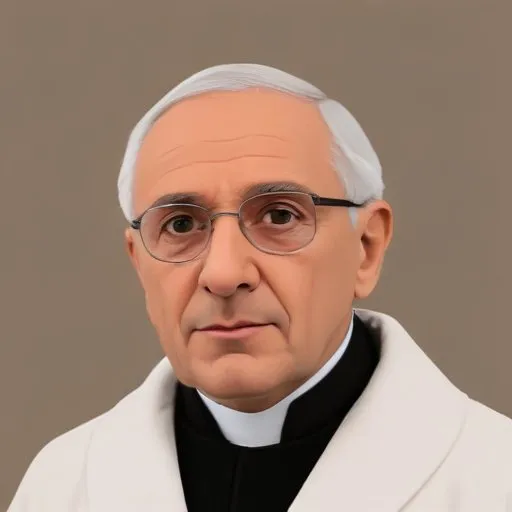
The Guardian of Calvinistic Orthodoxy: Francis Turretin
Francis Turretin, a renowned Genevan-Italian Reformed scholastic theologian, is best known for his zealous opposition to moderate Calvinist theology, particularly Amyraldianism, and his tireless defense of Calvinistic orthodoxy. As one of the authors of the Helvetic Consensus, Turretin played a pivotal role in shaping the Reformed theological landscape of the 17th century.
Early Life and Education
Born on October 17, 1623, in Geneva, Turretin was the son of Bénédicte Turretin, a theologian in his own right. Francis's family had a rich history of theological scholarship, with his ancestor, Francesco Turrettini the elder, fleeing Italy in 1574 to settle in Geneva. Turretin's educational pursuits took him to various institutions, including the University of Geneva (1640-1644), Leiden (1644), Utrecht, Paris (1645-1646), Saumur (1646-1648), Montauban, and Nîmes. In Paris, he also studied philosophy under the Roman Catholic philosopher, Pierre Gassendi.
Theological Contributions
Turretin's magnum opus,
Institutio Theologiae Elencticae (1679-1685), is a testament to his scholastic approach to theology. This three-part work employed the scholastic method to engage with contentious issues, ultimately defending the verbally inspired nature of the Bible. He also advocated for infralapsarianism and federal theology, shaping the Reformed tradition.
Academic and Ecclesiastical Career
Upon his return to Geneva, Turretin was appointed pastor of the Italian church (1648-1687) and later, the French congregation (1653-1687). Additionally, he served as professor of theology at the University of Geneva (1653), influencing generations of theologians. His son, Jean-Alphonse Turrettini, would later diverge from his father's theological stance, contributing to a nuanced understanding of Reformed thought.
Influence and Legacy
Turretin's intellectual rigor and theological convictions left an indelible mark on the Reformed tradition. His
Institutio Theologiae Elencticae remained a staple of theological education, including at Princeton Theological Seminary, until the late 19th century. As a champion of Calvinistic orthodoxy, Turretin's teachings continue to shape debates and discussions within Reformed circles.
Disputations and Controversies
Turretin's theological pursuits often led him into controversy. His
De Satisfactione Christi disputationes (1666) and
De necessaria secessione nostra ab Ecclesia Romana exemplify his willingness to engage with opposing views, solidifying his reputation as a formidable theological interlocutor.
Personal Milestones and Key Life Events
- 1644: Completed theological studies in Geneva
- 1648: Appointed pastor of the Italian church in Geneva
- 1653: Appointed professor of theology at the University of Geneva
- 1666: Published De Satisfactione Christi disputationes
- 1679-1685: Published Institutio Theologiae Elencticae
- September 28, 1687: Passed away in Geneva
Philosophical Contributions and Beliefs
Turretin's theological project was deeply rooted in his commitment to the authority and inspiration of Scripture. He advocated for the verbal inspiration of the Bible, emphasizing the importance of God's revealed word. His infralapsarian and federal theological perspectives continue to shape Reformed thought, influencing theologians and scholars to this day.
FAQ
What was Francis Turretins theological perspective?
Francis Turretin was a Reformed theologian who advocated for a strict Calvinist orthodoxy. His works emphasized the authority of Scripture, the sovereignty of God, and the importance of predestination.
What is Francis Turretins most famous work?
Francis Turretins most famous work is Institutes of Elenctic Theology, a comprehensive theological treatise that explores key Christian doctrines and their applications.
How did Francis Turretin influence Reformed theology?
Francis Turretins theology helped to shape the development of Reformed thought, particularly in the areas of soteriology and ecclesiology. His works remain influential in Reformed circles today.
What was Francis Turretins role in the Swiss Reformation?
Francis Turretin played a significant role in the Swiss Reformation, serving as a pastor, professor, and theologian. He was a key figure in shaping the Reformed Church in Geneva and beyond.
How is Francis Turretins work relevant today?
Francis Turretins theology continues to be studied and debated by scholars and theologians today, offering insights into the development of Reformed thought and its ongoing relevance.