


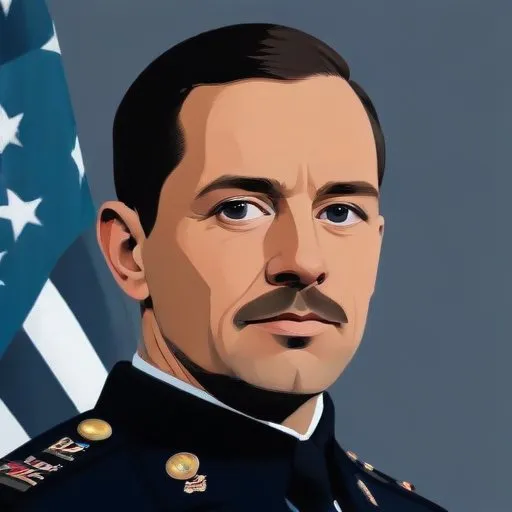
The 64th Governor of Massachusetts, a decorated war hero and politician, known for his progressive policies and environmental initiatives. He played a significant role in shaping the state's politics and conservation efforts.
Francis W. Sargent, a renowned American conservationist, is best known for his unwavering dedication to preserving the nation's natural resources, particularly waterways and forests. As the 64th Governor of Massachusetts, Sargent championed landmark environmental legislation, earning him the reputation as a champion of conservation.
Born on July 29, 1915, in Hamilton, Massachusetts, Sargent grew up with a deep appreciation for the natural world. He pursued a career in public service, serving as a naval officer during World War II and later as a Massachusetts State Representative. In 1969, he was elected Governor, a position he held until 1975.
Sargent's greatest achievements lie in his commitment to environmental conservation. He signed the Massachusetts Wetlands Protection Act in 1972, a groundbreaking legislation that protected the state's wetlands and waterways from development. He also played a key role in the creation of the Massachusetts Audubon Society, a nonprofit dedicated to conservation and wildlife preservation.
In recognition of his remarkable contributions, Sargent received numerous accolades, including the Theodore Roosevelt Conservation Award and the Sierra Club's John Muir Award.
Sargent's personal life was marked by triumph and tragedy. He married his high school sweetheart, Jessie Fay, and together they had three children. Tragically, their son, Francis Jr., was killed in action during the Vietnam War. This personal loss strengthened Sargent's resolve to create a better world for future generations.
Sargent's unwavering commitment to conservation was rooted in his deep respect for the natural world. He believed that humanity had a moral obligation to protect the environment, ensuring a sustainable future for generations to come.
In the early 1970s, the United States was grappling with the devastating consequences of environmental degradation. Sargent's leadership and vision helped shape the nation's conservation agenda, inspiring a new generation of environmentalists.
Today, Francis W. Sargent's legacy serves as a powerful reminder of the importance of environmental stewardship. His tireless efforts have left an indelible mark on Massachusetts and the nation, inspiring future generations to continue the crusade for conservation.
Born in 1917
The 35th President of the United States was a charismatic leader who navigated the country through the Cuban Missile Crisis and advocated for civil rights, leaving a lasting legacy in American politics.
Born in 1908
The 36th President of the United States, a skilled politician and leader, played a crucial role in passing landmark civil rights legislation, including the Civil Rights Act and Voting Rights Act.
Born in 1913
The 37th President of the United States, a polarizing figure who led the country through significant domestic and foreign policy changes, infamous for his involvement in the Watergate scandal.
Born in 1913
The 38th President of the United States, a former football star and lawyer, is known for being the first vice president to assume the presidency under the 25th Amendment and for his controversial pardon of Richard Nixon. He's also remembered for his humble and accidental rise to the presidency.
Born in 1924
A naval officer turned politician who served as the 39th President of the United States, known for his commitment to human rights and social justice, and awarded the Nobel Peace Prize in 2002.
Born in 1911
The charismatic leader who championed conservative policies, helped end the Cold War, and is often credited with restoring American pride and optimism. He's also remembered for his folksy, actor-honed communication style.
93 Years Old
The 65th Governor of Massachusetts was a Democratic politician who ran for president in 1988, known for his liberal policies and infamous tank ride during his campaign.
Born in 1917
A multitalented artist who made significant contributions to French New Wave cinema, directing iconic films like "Maya" and "Claude Sautet or The Invisible Master".
