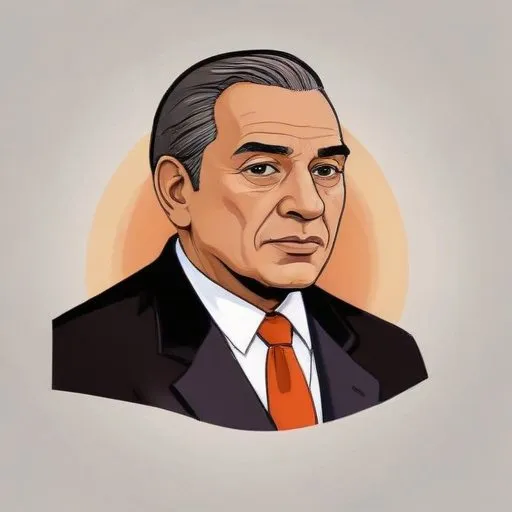
Francis William Reitz

Francis William Reitz

Francis William Reitz was born on October 5th, 1844

Nationality: South African
Profession: Lawyer
Full Name: Francis William Reitz
Known For: Politician
Occupation: Politician
Ethnicity: South African
Field: Politics
Role: State President

A 19th-century lawyer and politician who served as the 5th State President of the Orange Free State, known for his role in the Second Boer War and his efforts to unite the Boer states.

Written by: David Williams David Williams

Francis William Reitz: A Giant of South African Politics and Law

Francis William Reitz, a South African lawyer, politician, statesman, publicist, and poet, left an indelible mark on the country's history. As a multifaceted personality, he served as a member of parliament of the Cape Colony, Chief Justice and fifth State President of the Orange Free State, State Secretary of the South African Republic during the Second Boer War, and the first president of the Senate of the Union of South Africa.

A Varied Career Spanning Four Political Entities

Reitz's political and judicial career, which spanned over 45 years, was a testament to his adaptability and dedication to public service. Trained as a lawyer in Cape Town and London, he started his career in law practice and diamond prospecting before being appointed Chief Justice of the Orange Free State.

Modernizing the Orange Free State

In the Orange Free State, Reitz played a crucial role in modernizing the legal system and the state's administrative organization. He was also an active participant in public life, contributing to the Afrikaner language and culture movement, as well as cultural life in general.

A Popular Personality and Eloquent Statesman

Reitz was a charismatic figure, known for his politics and openness. When State President Brand suddenly died in 1888, Reitz won the presidential elections unopposed, a testament to his popularity and leadership abilities.

Rise to Prominence during the Second Boer War

In 1898, Reitz was appointed State Secretary of the South African Republic, becoming a leading Afrikaner political figure during the Second Boer War. His reluctance to shift allegiance to the British led him to go into voluntary exile after the war ended.

Later Life and Legacy

Several years later, Reitz returned to South Africa and established a law practice in Pretoria. He re-entered politics in the late 1900s and was chosen as the first president of the Senate upon the declaration of the Union of South Africa in 1910.

A Lasting Impact on South African History

Francis William Reitz's remarkable career and contributions to South African law, politics, and culture have left a lasting impact on the country's history. His legacy continues to inspire and influence future generations of South Africans.

Today, Francis William Reitz is remembered as a giant of South African politics and law, whose varied career and contributions have had a lasting impact on the country's history.

Timeline
1844
Born in France
Francis William Reitz was born on October 5, 1844, in France. He would go on to become a lawyer and politician in South Africa.
1868
Immigrated to South Africa
Reitz immigrated to South Africa, where he established himself as a lawyer and politician.
1873
Elected to the Orange Free State Volksraad
Reitz was elected to the Orange Free State Volksraad, the legislative body of the Orange Free State.
1889
Became the 5th State President of the Orange Free State
Reitz became the 5th State President of the Orange Free State, serving until 1895.
1934
Died in South Africa
Francis William Reitz passed away on March 27, 1934, in South Africa, leaving behind a legacy in politics and law.
Francis William Reitz

Francis William Reitz Quiz

What was Francis William Reitz's profession before entering politics?

Score: 0/5
FAQ
What was Francis William Reitzs role in South African politics?
Francis William Reitz was a prominent figure in South African politics, serving as the State President of the Orange Free State from 1889 to 1895. He played a key role in shaping the regions politics and economy during this period.
How did Francis William Reitzs presidency impact South Africa?
Francis William Reitzs presidency had a significant impact on South Africa, as he worked to promote economic development and stability in the region. He also played a key role in negotiating with British authorities to maintain the regions autonomy.
What were Francis William Reitzs views on British colonialism?
Francis William Reitz was a strong opponent of British colonialism, believing that the Orange Free State should maintain its independence and autonomy. He worked to resist British attempts to exert control over the region, while also seeking to maintain good relations with British authorities.
How did Francis William Reitzs presidency address the issue of land ownership?
Francis William Reitzs presidency addressed the issue of land ownership by promoting the rights of Afrikaner farmers and settlers. He worked to establish a system of land ownership that was fair and equitable, while also promoting the development of the regions agricultural sector.
What was Francis William Reitzs legacy in South Africa?
Francis William Reitzs legacy in South Africa is that of a dedicated leader who worked to promote the interests of his people and region. He played a significant role in shaping the countrys politics and economy, and is still remembered as a key figure in South African history.

Related People:

Jan Smuts

Born in 1870

A skilled lawyer and politician who played a key role in shaping South Africa's government and served as a prominent international statesman. He's also known for his influential ideas on holism and evolution.

Paul Kruger

Born in 1825

The 5th President of the South African Republic, a Boer war hero who fought against British colonization, and later became a symbol of Afrikaner nationalism. He's most known for his resistance against British rule and his role in shaping South Africa's history.

F. W. de Klerk

90 Years Old

The last State President of apartheid-era South Africa who led the country's transition to democracy and was awarded the Nobel Peace Prize for his efforts. He's known for his role in releasing Nelson Mandela from prison and dismantling the apartheid system.