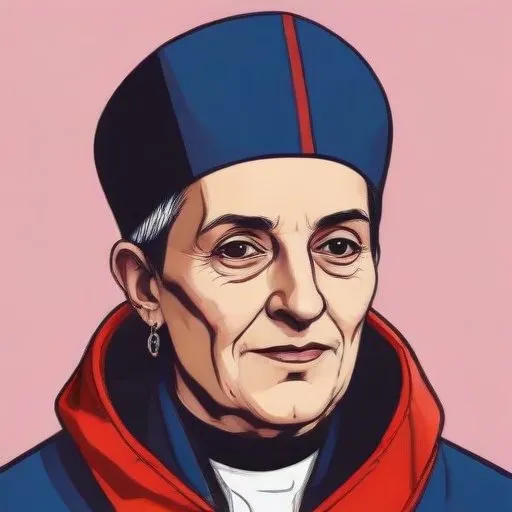
Franois Fnelon: The French Catholic Archbishop and Author of The Adventures of Telemachus
A Legacy of Theological and Literary Contributions
Franois Fnelon, a French Catholic archbishop, theologian, poet, and writer, is remembered most notably for his timeless literary masterpiece,
The Adventures of Telemachus, published in 1699. This influential work, which has endured for centuries, showcases Fnelon's mastery of prose and his commitment to promoting moral values and spiritual growth.
Early Life and Education
Born on August 6, 1651, at the Château de Fnelon in Sainte-Mondane, Prigord, Aquitaine, Fnelon was the second of three children to Pons de Salignac, Comte de La Mothe-Fnelon, and Louise de La Cropte. His family, though reduced to impecunious nobility by his time, had a rich history of producing leaders in both the Church and state. Fnelon's uncle, François, served as bishop of nearby Sarlat, a see that had been occupied by fifteen generations of the Fnelon family.
Fnelon's education began at the Château de Fnelon under the guidance of private tutors, who instilled in him a deep appreciation for Greek and Latin classics. In 1663, at the age of 12, he was sent to the University of Cahors, where he studied rhetoric and philosophy under the influence of the Jesuit
ratio studiorum. His interest in a career in the Church led his uncle, the Marquis Antoine de Fnelon, to arrange for him to study at the Collège du Plessis in Paris, whose theology students followed the same curriculum as those at the Sorbonne.
Theological and Literary Contributions
Fnelon's theological contributions are multifaceted and far-reaching. As a member of the Sulpician Fathers, he dedicated himself to promoting a more austere and contemplative form of Catholicism. His writings, particularly
The Adventures of Telemachus, reflect his commitment to spiritual growth and moral values. This influential work, which has been translated into numerous languages, tells the story of Telemachus, the son of Ulysses, as he navigates the challenges of adolescence and young adulthood. Through this narrative, Fnelon aimed to provide guidance and inspiration to young people, encouraging them to cultivate virtue and wisdom.
Fnelon's literary style, characterized by its elegance and simplicity, has been praised for its accessibility and beauty. His works, though written in a bygone era, continue to captivate readers with their timeless wisdom and insight.
Influence on Modern Society
Fnelon's impact on modern society extends beyond the realm of literature and theology. His commitment to promoting moral values and spiritual growth has inspired countless individuals throughout history. His emphasis on the importance of education, particularly in the humanities, has shaped the way we approach learning and personal development.
Fnelon's legacy can also be seen in the many educational institutions and charitable organizations that have been established in his name. These institutions, which continue to promote his values and ideals, stand as a testament to the enduring impact of his life and work.
Personal Milestones and Key Life Events
- 1651: Born on August 6 at the Château de Fnelon in Sainte-Mondane, Prigord, Aquitaine
- 1663: Began studying at the University of Cahors
- 1672: Became a member of the Sulpician Fathers
- 1695: Appointed as the Archbishop of Cambrai
- 1699: Published The Adventures of Telemachus
- 1715: Passed away on January 7 at the age of 63
Philosophical Contributions and Beliefs
Fnelon's philosophical contributions are rooted in his commitment to promoting a more austere and contemplative form of Catholicism. He believed in the importance of cultivating virtue and wisdom, and his writings reflect this emphasis. Fnelon's philosophy can be characterized by its focus on the following key principles:
- The importance of education in shaping individual character and promoting moral values
- The need for spiritual growth and contemplation in achieving personal fulfillment
- The value of cultivating virtue and wisdom in navigating life's challenges
Legacy and Historical Context
Franois Fnelon's legacy extends beyond his literary and theological contributions. He played a significant role in shaping the Catholic Church's response to the Jansenist controversy, and his influence can be seen in the many educational institutions and charitable organizations established in his name.
Fnelon's life and work must be understood within the context of 17th-century France, a time marked by religious and political turmoil. His commitment to promoting moral values and spiritual growth provides a unique perspective on the challenges of his era, and his writings continue to offer timeless wisdom and inspiration to readers today.
Conclusion
Franois Fnelon, a French Catholic archbishop, theologian, poet, and writer, has left an indelible mark on history. His literary masterpiece,
The Adventures of Telemachus, continues to captivate readers with its timeless wisdom and beauty. Through his commitment to promoting moral values and spiritual growth, Fnelon has inspired countless individuals, shaping the course of modern society and leaving a lasting legacy that will endure for generations to come.
FAQ
What was François Fénelons role in the French Catholic Church?
François Fénelon was a prominent French Catholic priest, bishop, and philosopher who played a key role in the Churchs response to the Protestant Reformation. He was known for his advocacy of Quietism, a mystical and contemplative approach to Christianity.
How did François Fénelons Quietism influence Catholic spirituality?
François Fénelons Quietism emphasizing the importance of interior prayer, self-abnegation, and surrender to Gods will, influenced Catholic spirituality, shaping the development of mystical and contemplative traditions within the Church.
What was François Fénelons relationship like with Jacques-Bénigne Bossuet?
François Fénelon and Jacques-Bénigne Bossuet were close friends and colleagues, sharing a deep commitment to Catholicism and the French monarchy. However, they also disagreed on key issues, including the nature of Quietism and the role of the Church in politics.
What were François Fénelons views on education and pedagogy?
François Fénelon believed in the importance of education and pedagogy, advocating for a more holistic and spiritual approach to learning. He wrote extensively on the subject, influencing later educational theorists and reformers.
How did François Fénelons legacy shape French Catholicism?
François Fénelons legacy shaped French Catholicism by promoting a more mystical and contemplative approach to spirituality, influencing later Catholic thinkers and reformers, and highlighting the importance of interior prayer and self-abnegation.