


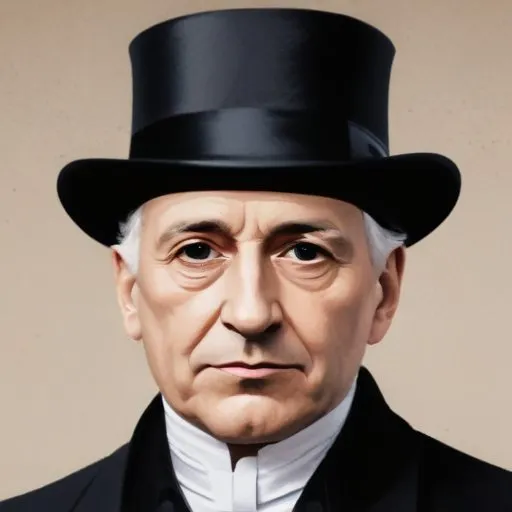
A 19th-century German composer and conductor, known for his operettas, choral works, and songs, which were extremely popular during his lifetime. His music is still performed today, particularly in Germany.
Franz Abt, a German composer and choral conductor, left an indelible mark on the world of music with his staggering 3,000 individual works, mostly in the realm of vocal music. His songs, once universally sung, have secured a permanent place in the popular repertoire, earning him a revered status in the music fraternity.
Born on December 22, 1819, in Eilenburg, Prussian Saxony, Abt demonstrated exceptional musical talent from a tender age. His father, a clergyman and talented pianist, provided Franz with his earliest music lessons. At the Thomasschule Leipzig and Leipzig University, Abt pursued both music and theology, intending to follow in his father's footsteps as a member of the clergy.
During his academic tenure, Abt befriended prominent figures in the music world, including Albert Lortzing, Felix Mendelssohn, and Robert Schumann. These connections had a profound impact on his musical journey, influencing his compositional style and artistic vision.
Following his father's passing in 1837, Abt abandoned his theological studies to focus exclusively on music. This pivotal moment marked the beginning of his compositional journey, as he started publishing music, primarily for piano, tailored for Leipzig's salon performances.
In 1841, Abt became the kapellmeister at Bernburg, soon relocating to Zürich, where he gained immense popularity as a skilled choirmaster. During his Zürich tenure, he directed almost all the city's choral societies, often claiming prizes for them. This success propelled him to return to Germany in 1852, where he became the musical director at the court theater in Braunschweig, serving until 1882.
Abt's dedication to choral conducting continued during his time in Braunschweig. In 1855, he was appointed director of the Hofkapelle, a position he held for many years. He was frequently invited to conduct choirs in numerous European capital cities, solidifying his reputation as a master choral conductor.
Abt's contributions to music have left an indelible mark on the choral genre. His works, emphasizing the importance of vocal music, have inspired generations of musicians and composers. His influence extends beyond Europe, as his songs have become an integral part of the popular repertoire, transcending cultural boundaries.
Franz Abt's life and career serve as a testament to his unwavering dedication to music, leaving behind a rich legacy that continues to inspire and enchant audiences to this day.
Born in 1813
A revolutionary composer who transformed opera with his epic, mythological works, creating a new era of musical storytelling. His iconic operas, such as "Der Ring des Nibelungen," continue to captivate audiences worldwide.
Born in 1809
A renowned 19th-century musician who masterfully blended classical and romantic styles, creating iconic works like the "Wedding March" and "Elijah" oratorio. His compositions continue to inspire and influence generations of artists.
Born in 1810
A renowned Romantic-era composer and influential music critic, known for his expressive and emotionally charged works, including symphonies, piano music, and art songs.
Born in 1833
A renowned pianist and composer, he crafted complex, expressive works that blended traditional and innovative techniques, leaving an indelible mark on classical music.
Born in 1813
A renowned composer of iconic operas like La Traviata and Aida, known for his masterful blending of drama and music. His works continue to captivate audiences worldwide.
Born in 1811
A virtuosic pianist and composer who revolutionized classical music with his technically demanding and emotionally expressive works, blending Hungarian folk influences with Romantic-era drama.
Born in 1803
A French Romantic-era mastermind who composed iconic symphonies, operas, and orchestral works, revolutionizing classical music with his bold, expressive style.
Born in 1864
A renowned composer and conductor of the late Romantic era, known for his tone poems and operas that showcased his mastery of orchestration and expressive storytelling.
