


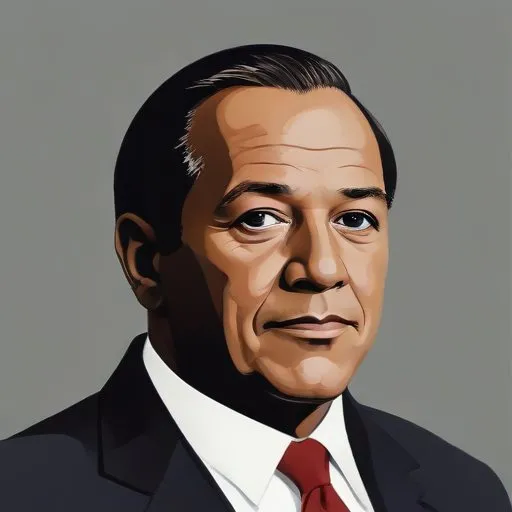
A prominent figure in New York politics, he served as a US Representative and was instrumental in shaping the state's banking system. He was a strong advocate for farmers' rights and education reform.
Frederick A. Johnson, a name synonymous with American politics and banking, is renowned for his remarkable service as a U.S. Representative from New York from 1883 to 1887. As a distinguished member of the Republican Party, Johnson left an indelible mark on the nation's political and financial landscapes.
Born on January 2, 1833, in Fort Edward, New York, Johnson embarked on a journey that would take him from the common schools to the hallowed halls of Congress. He graduated from Glens Falls Academy in nearby Glens Falls, New York, laying the foundation for his future successes.
Johnson's professional life was marked by significant achievements in both banking and politics. He engaged in banking and the wool business in New York City, later transitioning to banking in Glens Falls, where he served as president of the village.
His political career took off when he was elected as a Republican to the 48th United States Congress, representing New York's eighteenth district from March 4, 1883, to March 3, 1885. He was subsequently elected to the 49th United States Congress, representing New York's twenty-first district from March 4, 1885, to March 3, 1887.
On September 1, 1858, Johnson married Harriet Elizabeth Locke, forming a lifelong bond that underscored his commitment to family and community.
Frederick A. Johnson's contributions to American politics and banking continue to inspire future generations. His dedication to public service, coupled with his business acumen, has left a lasting legacy that transcends time and era.
Johnson departed this life on July 17, 1893, at the age of 60, leaving behind a rich tapestry of achievements and memories. He is interred at Glens Falls Cemetery, also known as Bay Street Cemetery, in Glens Falls, New York.
Frederick A. Johnson's remarkable journey, marked by triumphs in politics and banking, serves as a testament to the power of dedication, hard work, and community service. His life's work continues to inspire and motivate, a beacon of hope for those seeking to make a positive impact on our great nation.
Remembering Frederick A. Johnson's remarkable achievements, we honor his legacy and the indelible mark he left on American politics and banking.
Born in 1837
Founded a powerful banking dynasty and dominated corporate finance, shaping the American economy through strategic investments and mergers.
Born in 1839
Founded the Standard Oil Company, revolutionizing the oil industry and amassing vast wealth, which he later used for philanthropic efforts. He's remembered for his business acumen and generosity.
Born in 1835
A self-made industrialist who amassed a vast fortune in the steel industry, then donated most of it to fund over 2,500 public libraries and other philanthropic endeavors.
Born in 1794
Built railroad empires, revolutionizing transportation and commerce, and donated extensively to education and the arts.
Born in 1845
A prominent lawyer and politician who served as Secretary of State, earning a Nobel Peace Prize for his diplomatic efforts. He's most known for his work in international arbitration and conflict resolution.
Born in 1849
A wealthy industrialist and philanthropist who played a key role in the development of the American steel industry, and was a major benefactor of the arts and education.
Born in 1863
Founded a massive media conglomerate, revolutionizing the newspaper industry and shaping public opinion through sensationalized journalism. Known for his extravagant lifestyle and grandiose architecture .
Born in 1763
A German-American mogul who built a fur trading empire and invested in real estate, amassing a vast fortune, which he later used to support the arts and education.
