


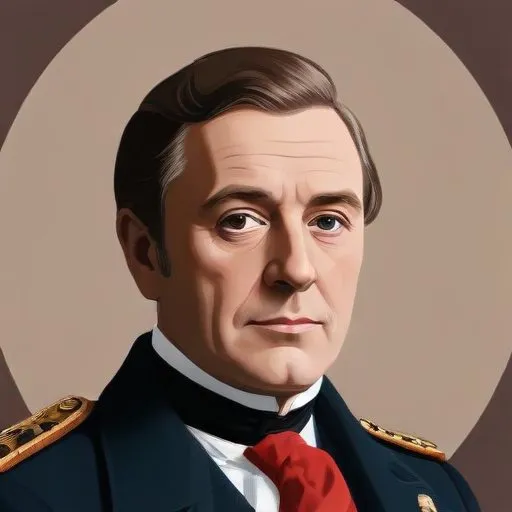
A British Army officer and politician who served as a Member of Parliament and held various government positions, known for his military and political contributions during the early 20th century.
Frederick Montague, 1st Baron Amwell, was a British politician and Labour Party leader who left an indelible mark on the country's political landscape. Best known for his unwavering dedication to the cause of labour and his instrumental role in shaping the Labour Party's early years, Montague's legacy continues to inspire generations of politicians and social reformers.
Born on November 8, 1876, in Camberwell, London, Montague was raised in a family of modest means. His early life was marked by a strong sense of social justice, which was fostered by his Quaker upbringing. This activism led him to join the Independent Labour Party (ILP) in 1893, where he became friends with notable figures like Keir Hardie and Ramsay MacDonald.
Montague's dedication to the labour movement earned him a seat on the West Ham County Borough Council in 1903. He continued to climb the political ladder, becoming the Member of Parliament (MP) for West Ham South in 1910. As a vocal advocate for workers' rights, Montague was instrumental in pushing through key labour reforms, including the 1911 National Insurance Act.
In 1917, Montague was appointed to the Labour Party's National Executive Committee, where he played a crucial role in shaping the party's early years. He served as the party's parliamentary chairman from 1924 to 1927 and was a key advisor to Ramsay MacDonald during his first premiership.
In 1932, Montague was elevated to the peerage as the 1st Baron Amwell, a title he held until his death in 1940. During this period, he continued to advocate for labour rights and social reform, using his position to influence policy and shape public discourse.
Frederick Montague, 1st Baron Amwell, left a lasting legacy on British politics and the labour movement. His tireless advocacy for workers' rights and social justice helped shape the Labour Party's early years and paved the way for future generations of labour leaders. Today, his name is synonymous with courage, conviction, and unwavering dedication to the cause of labour.
Despite the many challenges and setbacks he faced, Frederick Montague, 1st Baron Amwell, remained an unwavering champion of labour and social reform. His life's work serves as a testament to the power of dedication, perseverance, and conviction, inspiring generations to come.
Born in 1871
Prolific writer of historical novels and adventure stories, also a talented landscape painter.
Born in 1883
Led the Labour Party to a landslide victory in 1945, implementing significant social and economic reforms, including the creation of the National Health Service. He played a crucial role in shaping post-war Britain.
Born in 1897
A British politician who served as Prime Minister from 1955 to 1957, known for his role in the Suez Crisis and his diplomatic efforts during the Cold War.
Born in 1894
A British politician who served as Prime Minister from 1957 to 1963, known for leading the country through a period of economic prosperity and decolonization.
Born in 1903
A British aristocrat who served as Prime Minister from 1963 to 1964, known for his brief tenure and aristocratic background.
Born in 1885
Won the 1952 Olympic Games marathon in Helsinki, Finland, and held the world record in the marathon from 1952 to 1953.
Born in 1912
A British politician who served as Prime Minister from 1976 to 1979, known for his efforts to stabilize the economy and navigate the country through a period of industrial unrest.
Born in 1925
The first female Prime Minister of the United Kingdom, serving from 1979 to 1990, known for her conservative policies and leadership during the Falklands War.
