


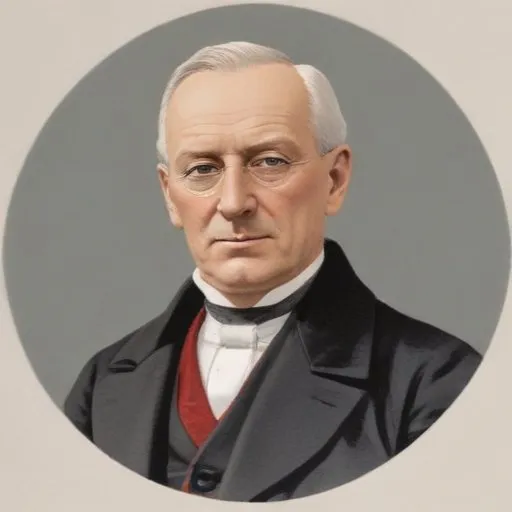
A renowned expert in ancient Greek literature, particularly Homer's Iliad and Odyssey, whose meticulous research and commentary have shaped classical scholarship.
Friedrich Wilhelm Schneidewin was a renowned German classical scholar, best known for his groundbreaking work on Sophocles and the Greek lyric poets, particularly his editions of ancient texts and his contributions to the field of classical learning. His meticulous scholarship and innovative approaches have left a lasting impact on the study of classical antiquity.
Schneidewin was born on June 6, 1810, in Helmstedt, Germany. Little is known about his early life and education, but it is clear that he developed a deep passion for classical languages and literature from an early age.
Schneidewin's academic career spanned over two decades, during which he held positions at the Braunschweig gymnasium and the University of Göttingen. His most notable publications include:
In 1846, Schneidewin founded Philologus, a journal dedicated to classical learning and named in honor of Karl Otfried Müller. This journal became a prominent platform for scholars to share their research and insights, and it continues to be published to this day.
Schneidewin's work has had a profound impact on our understanding of ancient Greek literature and culture. His editions of classical texts have enabled generations of scholars to engage with the works of Sophocles, Simonides, and other ancient poets, fostering a deeper appreciation for the rich cultural heritage of classical antiquity.
Schneidewin's legacy extends beyond the realm of classical scholarship, as his approach to textual criticism and philology has influenced scholars across various disciplines, from literature to history and archaeology.
Born in 1759
A renowned poet and playwright who crafted influential works that explored the human condition, morality, and the struggle for freedom, leaving a lasting impact on German literature.
Born in 1788
A pessimistic philosopher who wrote about the human condition, emphasizing the struggles and sufferings of life, and is famous for his concept of the "will to life".
Born in 1770
A German philosopher and academic who developed a comprehensive and systematic philosophy that emphasized the unity of all things and the dialectical process of thesis, antithesis, and synthesis. His ideas have had a profound impact on modern thought, influencing fields such as philosophy, politics, and art.
Born in 1724
Developed influential philosophical frameworks, such as the Critique of Pure Reason, that shaped modern Western thought on ethics, morality, and human understanding.
Born in 1762
A German philosopher and academic who developed the concept of German idealism, emphasizing the role of the individual and the nation in shaping reality. He's known for his influence on German philosophy and the development of existentialism.
