


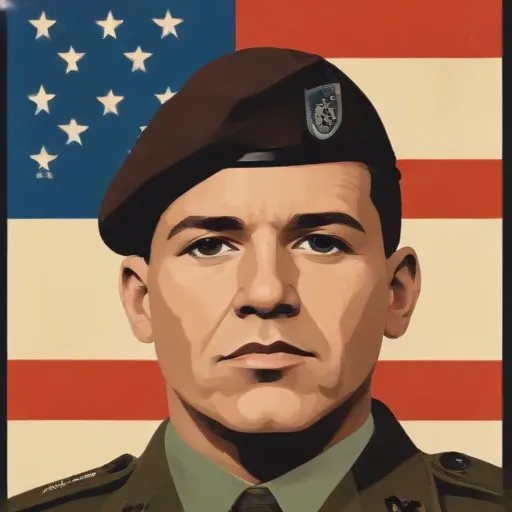
A controversial figure who sparked a major political scandal in the 1950s, known for his role in the Army-McCarthy hearings that led to the downfall of Senator Joseph McCarthy.
G. David Schine, the wealthy heir to a hotel chain fortune, is notoriously known for his central role in the Army-McCarthy hearings of 1954 as the chief consultant to the Senate Permanent Subcommittee on Investigations. His flamboyant lifestyle, anticommunist views, and close association with Senator Joseph McCarthy's chief counsel, Roy Cohn, thrust him into the spotlight, making him a household name in the 1950s.
Schine was born on September 11, 1927, in Gloversville, New York, to Jewish parents, hotel magnate Junius Myer Schine and Hildegarde Feldman. He attended Phillips Academy and later graduated from Harvard University in 1949. During his time at Harvard, Schine lived a lavish lifestyle, often clashing with his peers and college administrators.
In 1952, Schine published a six-page anticommunist pamphlet called "Definition of Communism," which was distributed in every room of his family's hotel chain. Although the pamphlet contained numerous errors, it caught the attention of Roy Cohn, Senator Joseph McCarthy's chief counsel, and the two became close friends.
Schine's association with Cohn led to his appointment as the chief consultant to the Senate Permanent Subcommittee on Investigations, chaired by McCarthy. During the Army-McCarthy hearings, Schine's name became synonymous with the anticommunist crusade, as he worked closely with Cohn to uncover alleged communist infiltration in the U.S. Army.
Schine's personal life was marred by controversy. He was known for his extravagant lifestyle, often flaunting his wealth and influence. His relationships with women were highly publicized, and he was frequently seen at high-society events.
Despite his charm and charisma, Schine's reputation was tarnished by allegations of draft dodging and exploiting his family's wealth and influence for personal gain. His association with Cohn and McCarthy also drew criticism, as many saw their anticommunist crusade as a witch hunt.
G. David Schine's life serves as a fascinating case study of the intersection of politics, power, and privilege in 1950s America. His flamboyant personality and anticommunist views reflect the era's anxieties and paranoia surrounding the Red Scare.
As a symbol of the excesses of the wealthy elite, Schine's life and legacy continue to fascinate historians and scholars. His story serves as a reminder of the dangers of unchecked power and the importance of critical inquiry in the face of political zealotry.
G. David Schine's life was a whirlwind of controversy, politics, and privilege. As a symbol of the excesses of 1950s America, his story continues to captivate and educate, serving as a reminder of the importance of critical inquiry and the dangers of unchecked power.
99 Years Old
A ruthless and influential lawyer who played a significant role in the Red Scare of the 1950s, known for his aggressive tactics and close ties to powerful politicians.
Born in 1908
A zealous anti-communist who led a crusade against alleged communist infiltration in the US government, sparking a wave of paranoia and witch hunts in the 1950s.
Born in 1913
The 37th President of the United States, a polarizing figure who led the country through significant domestic and foreign policy changes, infamous for his involvement in the Watergate scandal.
Born in 1925
A Navy officer, lawyer, and politician who served as US Attorney General, playing a key role in the Civil Rights Movement and advocating for social justice. He was a prominent figure in American politics during the 1960s.
Born in 1917
The 35th President of the United States was a charismatic leader who navigated the country through the Cuban Missile Crisis and advocated for civil rights, leaving a lasting legacy in American politics.
Born in 1908
The 36th President of the United States, a skilled politician and leader, played a crucial role in passing landmark civil rights legislation, including the Civil Rights Act and Voting Rights Act.
Born in 1895
The first Director of the FBI, who led the agency for nearly five decades, building it into a powerful force in American law enforcement, and notorious for his secretive and authoritarian style. He's infamous for his surveillance and harassment of political dissidents, civil rights leaders, and celebrities.
Born in 1893
The 5th Director of Central Intelligence was a master spy and diplomat who oversaw the CIA during the Cold War, orchestrating covert operations and shaping global politics. He's infamous for his role in the Bay of Pigs invasion and CIA-led coups.
