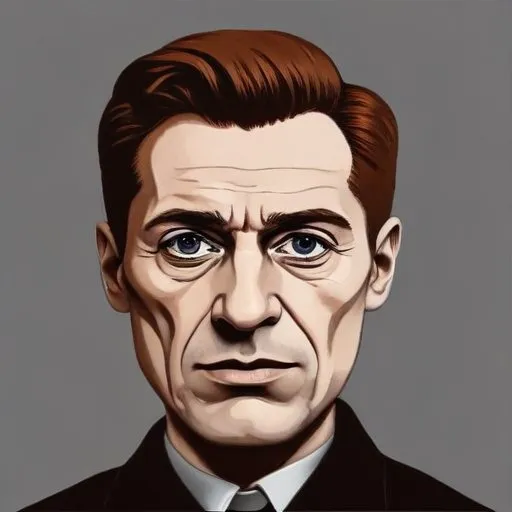
Gabriel Axel: The Visionary Behind Babettes Feast
A Masterpiece that Transcended Borders
Gabriel Axel, a Danish film director, actor, writer, and producer, is most renowned for his iconic film, Babettes Feast (1987), which he wrote and directed. This masterpiece not only earned him international acclaim but also secured a place in the heart of audiences worldwide.
A Life of Cultural Fusion
Born in Aarhus, Denmark, on April 18, 1918, Axel spent his formative years in Paris, where he was exposed to the rich cultural heritage of France. This cosmopolitan upbringing laid the foundation for his future endeavors, which would often blend Danish and French influences.
A Path Unfolding
In 1935, at the age of 17, Axel's life took a dramatic turn when his family's economic situation forced him to move to Denmark. He began training as a cabinet maker, but his passion for the arts soon led him to the Royal Danish Theatre in Copenhagen, where he studied acting from 1942 to 1945. After completing his training, Axel returned to France, where he spent five years on stage in Paris, working with prominent directors like Louis Jouvet.
A Career in Full Bloom
Axel's big break came in the early 1950s, when he established himself as a stage director in Denmark. His productions of Marcel Aym's La tête des autres,
Pierre Corneille's Le Cid, and
Jean Giraudoux's Pour Lucrèce earned him critical acclaim. He soon transitioned to television, directing 48 dramas between 1951 and 1968. In 1955, Axel joined Nordisk Film as a director, where he would go on to create a diverse range of films, from social realist dramas to epic sagas and comedies.
Awards and Accolades
Axel's film, The Red Mantle (1967), was selected for the Cannes Film Festival competition and won a Technical Prize (Mention spéciale du grand prix technique). This was followed by the success of Babettes Feast, which earned him an Academy Award for Best Foreign Language Film in 1988.
Philosophical Contributions
Through his work, Axel explored themes of cultural identity, love, and the human condition. His films often featured strong female protagonists, and he was known for his nuanced portrayal of women's experiences. Axel's cinematic style, which blended realism with a touch of whimsy, continues to inspire filmmakers today.
Personal Milestones and Key Life Events
- 1935: Moved to Denmark at age 17 due to family's economic collapse
- 1942: Admitted to the acting school at the Royal Danish Theatre in Copenhagen
- 1945: Graduated and returned to France, where he worked on stage for five years
- 1950: Returned to Denmark and began his career as a stage director
- 1951: Started directing for television
- 1955: Joined Nordisk Film as a director
- 1967: Released The Red Mantle, which was selected for the Cannes Film Festival competition
- 1987: Released Babettes Feast, which earned him an Academy Award
Legacy
Gabriel Axel's contributions to the world of cinema are immeasurable. His films continue to captivate audiences, and his influence can be seen in the work of directors who have followed in his footsteps. As a master storyteller, Axel's legacy is a testament to the power of art to transcend borders and touch the human heart.
FAQ
What is Gabriel Axels profession?
Gabriel Axel was a Danish-French actor, director, and producer, known for his work in film and television.
What are Gabriel Axels notable film roles?
Axel appeared in a range of films, including Babettes Feast, for which he won the Academy Award for Best Foreign Language Film.
What is Gabriel Axels directing style?
Axels directing style is characterized by its emphasis on character development, nuance, and subtlety.
What is Gabriel Axels contribution to French cinema?
Axels work has had a significant impact on French cinema, offering a unique perspective on French culture and identity.
What awards did Gabriel Axel win?
Axel won the Academy Award for Best Foreign Language Film, as well as multiple French César Awards and other international honors.