


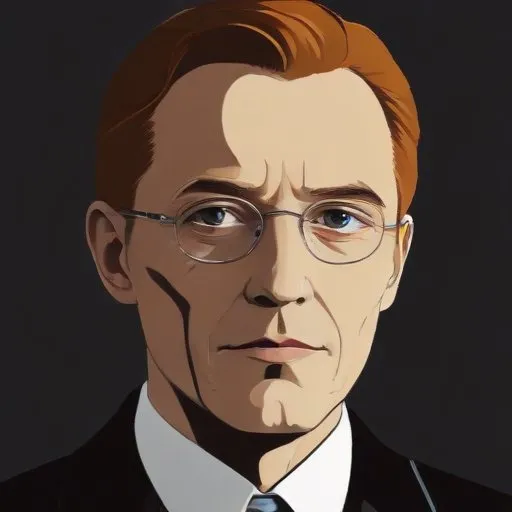
A prominent figure in Danish literature, known for his prolific output of novels, poetry, and essays that often explored themes of social critique and existentialism.
Klaus Rifbjerg, born on December 15, 1931, was a Danish writer, poet, and playwright, renowned for his immense contribution to Danish literature, having authored over 170 novels, books, and essays. He was a true modernist, known for his experimental style, which often explored themes of existentialism, psychological hang-ups, and the breakdown of bourgeois normality.
Rifbjerg was born in Copenhagen, Denmark, to two teacher parents. He grew up on the island of Amager, part of the city, and developed a passion for literature from a young age. He studied English and literature at the University of Copenhagen and later spent a year at Princeton University in the United States, refining his craft.
Rifbjerg's breakthrough came in 1958 with the novel Den kroniske Uskyld, which was later adapted into a film in 1985. This marked the beginning of a prolific writing career, during which he published over 100 novels, poetry collections, plays, TV and radio plays, film scripts, children's books, and diaries. His works often delved into the human condition, exploring themes of identity, morality, and the search for meaning.
Rifbjerg's contributions to literature were widely recognized, earning him numerous awards and honors, including:
Rifbjerg's writing had a significant impact on Danish literature, as he became increasingly experimental throughout the 1960s. His works from the 2000s opened a new line of inspiration, exploring historic events. His portrayal of children and their struggles to establish their own identity is a recurring theme in his works. Rifbjerg's legacy continues to influence Danish literature, cementing his place as a cultural icon.
Rifbjerg was not only a writer but also a journalist and critic. He was editor of the publication Vindrosen, alongside Villy Sørensen, and later became the literary director of Gyldendal from 1984 to 1991. Rifbjerg passed away on April 4, 2015, in Copenhagen, after a long illness, at the age of 83.
Some of Rifbjerg's notable works include:
Rifbjerg's life was a testament to his dedication to literature, and his works continue to inspire and influence Danish writers and readers alike.
Born in 1805
A Danish master of fairy tales, crafting whimsical stories like "The Little Mermaid" and "The Ugly Duckling" that have captivated readers for generations. His works have become an integral part of Western cultural heritage.
Born in 1813
A Danish philosopher and author who is considered the father of existentialism, known for his philosophical and theological writings that emphasized individualism and subjective experience.
Born in 1857
A Danish journalist and author who wrote about social issues and the lives of ordinary people, earning him the Nobel Prize in Literature in 1917.
Born in 1869
A Danish journalist and author who wrote influential works on social and political issues, particularly on the Danish resistance during World War II.
59 Years Old
A legendary Danish race car driver, known for holding the record for most wins at the 24 Hours of Le Mans with nine victories. He's a motorsport icon and a hero in the racing world.
