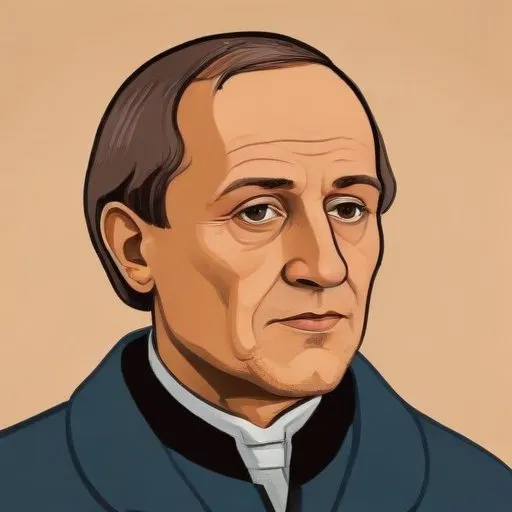
Georg Neumark: The Poet and Composer Who Inspired Baroque Music
A Life Dedicated to Music and Poetry
Georg Neumark, a German poet and composer of hymns, is best known for his iconic hymn "Wer nur den lieben Gott lt walten" and his contributions to the Baroque music era. With his unique blend of sacred and secular poetry, Neumark has left an indelible mark on the world of music and literature.
Early Life and Education
Born on March 16, 1621, in Langensalza, Neumark was the son of Michael Neumark and his wife Martha. He attended the gymnasium in Schleusingen and later transferred to that of Gotha. In 1640, he began law studies at the University of Knigsberg, but his passion for music soon took over.
Finding His Calling
Fleeing the tumult of war, Neumark took a position as a tutor in Kiel. It was during this time that he began to devote himself more and more to music, greatly supported by
Simon Dach. After graduating in law, Neumark went on to work in Danzig and Thorn, but his heart remained in music. In 1651, he returned to his native Thuringia, where his uncle, councilor Plattner, introduced him to the duke Wilhelm IV of Saxe-Weimar.
A Royal Appointment and Literary Recognition
The duke appointed Neumark as Kanzleiregistrator and later as librarian in 1652. The following year, the duke brought Neumark into the Fruchtbringende Gesellschaft, a prestigious literary society, where he received the nickname "der Sprossende" (the sprouting) and the motto "Ntzlich und ergetzlich" (useful and delightful).
Fruchtbringende Gesellschaft and the Pegnesische Blumenorden
As a member of the Fruchtbringende Gesellschaft, Neumark was elected Erzschreinhalter der Fruchtbringenden Gesellschaft (guardian of the shrine) in 1656. In 1679, the Pegnesische Blumenorden, a poets' society in Nrnberg, named after the river Pegnitz, accepted Neumark as a member. He carried on an extensive correspondence with the society's president, Sigmund von Birken, who acted as his literary agent.
Musical Legacy
Neumark's compositions were highly regarded in his time, with mostly secular texts and some melodies considered the best of his era. Many of his songs featured violin and gamba obbligatos and ritornellos, showcasing his mastery of the instrument. His choral "Wer nur den lieben Gott lsst walten" even inspired
Johann Sebastian Bach to feature it in one of his cantatas.
Personal Milestones and Trivia
- Neumark's hymn "Wer nur den lieben Gott lt walten" was published in 1641.
- He was known for his imaginative compositions of continuo songs.
- Neumark likely played the gamba in his presentations of his songs.
Lasting Impact on Baroque Music
Georg Neumark's contributions to Baroque music and literature have left an enduring legacy. His unique blend of sacred and secular poetry, coupled with his mastery of music, have inspired generations of composers and musicians. As we look back on his life and work, we are reminded of the power of music to bring people together and transcend time.
FAQ
What kind of music did Georg Neumark compose?
Georg Neumark was a German poet and composer of hymns, and his music was primarily focused on sacred and religious themes. He was known for his beautiful melodies and poetic lyrics, which were widely admired during his lifetime.
What is Georg Neumarks most famous hymn?
Georg Neumarks most famous hymn is Wer nur den lieben Gott lässt walten, which is still sung in churches today. The hymn is a beautiful expression of trust and faith in God, and is considered one of Neumarks masterpieces.
What was Georg Neumarks role in the German Reformation?
Georg Neumark was a key figure in the German Reformation, and his hymns and poetry played an important role in promoting Lutheran theology and worship. He was a close friend and collaborator of Martin Luther, and helped to spread the message of the Reformation through his music.
What is Georg Neumarks legacy in German music?
Georg Neumarks legacy in German music is that of a pioneering composer and poet who helped to establish the Lutheran hymn tradition. His music continues to be celebrated and performed today, and he is considered one of the most important figures in German musical history.
What was Georg Neumarks early life like?
Georg Neumark was born into a musical family and was trained in music and theology from a young age. He studied at the University of Wittenberg, where he became acquainted with Martin Luther and other prominent reformers.