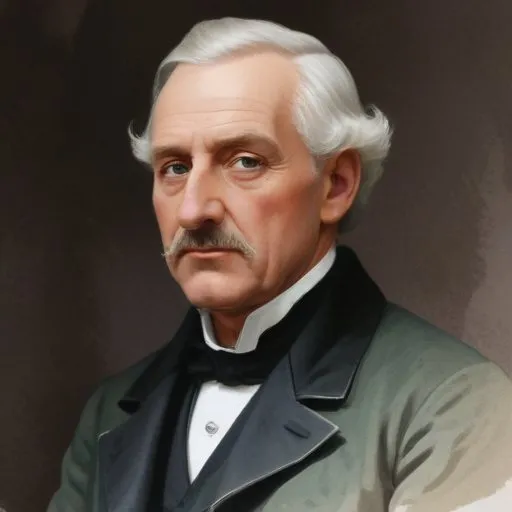
Georg Wilhelm Steller: The Pioneering Naturalist and Explorer of the North Pacific
A Legacy of Discovery and Scientific Contributions
Georg Wilhelm Steller is renowned for his groundbreaking contributions to the fields of biology, zoology, and ethnography, particularly during the Great Northern Expedition from 1733 to 1743. During this expedition, Steller's meticulous observations and documentation of the natural world significantly expanded scientific knowledge of the North Pacific region, unveiling new species and cultures previously unknown to Western science.
Early Life and Education
Born on March 10, 1709, in Windsheim, near Nuremberg in Germany, Steller was the son of a Lutheran cantor, Johann Jakob Steller. He pursued studies in theology and medicine at the University of Wittenberg, before eventually turning his attention to the natural sciences. In 1734, he joined the Russian Academy of Sciences as a physician, a decision that would shape the trajectory of his remarkable career.
The Great Northern Expedition and its Discoveries
Steller's participation in the Great Northern Expedition, led by
Vitus Bering, marked a pivotal moment in the history of scientific exploration. During this expedition, Steller kept detailed records of species and cultures encountered, as well as ocean currents, significantly enhancing our understanding of the region's biodiversity. His discoveries included the Steller's sea cow and Steller's sea eagle, both of which were previously unknown to Western science.
Exploration of the Kamchatka Peninsula and the Commander Islands
Steller's exploration of the Kamchatka Peninsula and the Commander Islands further expanded scientific knowledge of the region's flora and fauna. His meticulous documentation of the natural world enabled future generations of scientists to build upon his discoveries, cementing his legacy as a pioneering naturalist and explorer.
Personal Milestones and Key Life Events
- In 1734, Steller married the widow of Daniel Gottlieb Messerschmidt, a naturalist, and acquired notes from his travels in Siberia.
- He volunteered to join Vitus Bering's Second Kamchatka Expedition, which had left Saint Petersburg in February 1733.
- Steller's observations and documentation during the expedition earned him recognition from the Russian Academy of Sciences.
Legacy and Impact on Modern Society
Steller's contributions to the fields of biology, zoology, and ethnography have had a lasting impact on modern society. His discoveries and documentation have inspired generations of scientists, explorers, and conservationists, shaping our understanding of the natural world and our responsibility to preserve it.
Philosophical Contributions and Beliefs
Steller's work embodied a deep respect for the natural world and a commitment to scientific inquiry. His meticulous documentation and categorization of species reflected a profound appreciation for the diversity and complexity of life on Earth.
Inspirational Stories and Motivations
Steller's remarkable journey serves as a testament to the power of human curiosity and determination. His groundbreaking discoveries and contributions to the scientific community continue to inspire and motivate future generations of explorers, scientists, and conservationists.
Georg Wilhelm Steller's legacy is a powerful reminder of the importance of scientific inquiry, exploration, and conservation. As we continue to navigate the complexities of the 21st century, Steller's contributions serve as a beacon of inspiration, urging us to protect and preserve the natural world for future generations.
FAQ
What was Georg Wilhelm Stellers role in the Great Northern Expedition?
Georg Wilhelm Steller was a naturalist and scientist who joined Vitus Berings Second Kamchatka Expedition, also known as the Great Northern Expedition, in 1737. During this expedition, Steller made numerous discoveries about the natural history of Siberia and Alaska.
What did Georg Wilhelm Steller discover in Alaska?
Georg Wilhelm Steller was the first European to discover several species of Alaskan wildlife, including the Stellers sea cow, Stellers sea lion, and the fur seal. He also discovered several island groups, including the Shumagin Islands and the Semidi Islands.
What was Georg Wilhelm Stellers contribution to the field of botany?
Georg Wilhelm Steller made significant contributions to the field of botany, particularly in the discovery of new plant species in Siberia and Alaska. He collected and described numerous plant specimens, including the Stellers gentian and the Stellers saxifrage.
How did Georg Wilhelm Steller die?
Georg Wilhelm Steller died on November 12, 1746, at the age of 37, while on an expedition to the island of Kayak Island, Alaska. The exact circumstances of his death are unknown, but it is believed he may have died from a fever or starvation.
What is Georg Wilhelm Stellers legacy in the natural sciences?
Georg Wilhelm Stellers legacy in the natural sciences is immense, with his discoveries and observations laying the foundation for modern understanding of the natural history of Siberia and Alaska. He is considered one of the most important naturalists of the 18th century, and his work continues to influence scientists today.