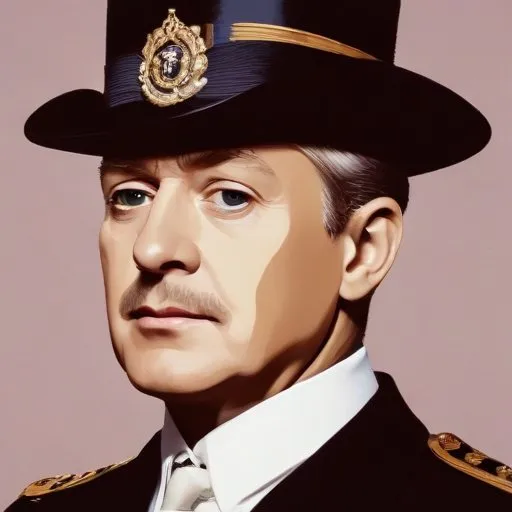
George Byng, 1st Viscount Torrington: The Royal Navy Officer and Statesman
George Byng, 1st Viscount Torrington, is best known for his instrumental role in the Glorious Revolution of 1688, which saw the Royal Navy switch allegiance to Prince William of Orange, leading to a significant shift in British history. As a distinguished Royal Navy officer and statesman, Byng played a crucial role in shaping the course of British naval history and politics.
Early Life and Career
Born on 27 January 1663, George Byng was the son of
John Byng and Philadelphia Byng (née Johnson). He joined the Royal Navy as a King's Letter Boy in May 1678 and served initially on the fourth-rate HMS Swallow. Byng's early career saw him transfer to various ships, including the fourth-rate HMS Reserve and the fourth-rate HMS Mary Rose.
Rise to Prominence
Byng's career took a significant turn when, as a lieutenant, he delivered a letter from various captains to Prince William of Orange, assuring the Prince of their support. This gesture ultimately led to the Royal Navy switching allegiance to the Prince, contributing to the Glorious Revolution of 1688. This pivotal moment in history earned Byng recognition and respect from the Prince, who responded to the letter and paved the way for Byng's future success.
Naval Achievements
As a captain, Byng saw action at the Battle of Vigo Bay during the War of the Spanish Succession, where the French fleet was defeated. He later led the bombardment squadron under Admiral Sir George Rooke at the Capture of Gibraltar and participated in the Battle of Málaga. One of his most notable achievements was the Battle of Cape Passaro, where he pursued the Spanish fleet, causing it to split in two, resulting in the capture of 10 ships of the line, the sinking or burning of four ships of the line, and the capture of four frigates.
Admiralty and Later Life
Byng's achievements earned him the position of First Lord of the Admiralty during the reign of King George II. He was created Viscount Torrington in 1721 and was a prominent figure in British politics until his death on 17 January 1733.
Legacy
George Byng's contributions to British naval history and politics are still remembered today. His role in the Glorious Revolution of 1688 and his naval achievements during the War of the Spanish Succession and the War of the Quadruple Alliance solidified his place in history. Byng's legacy serves as a testament to his bravery, strategic thinking, and dedication to the Royal Navy and British politics.
Interesting Facts
- Byng was known for his cunning and tactical genius, often outmaneuvering his opponents to achieve victory.
- He was a favorite of King George I, who valued his loyalty and military prowess.
- Byng's victory at the Battle of Cape Passaro was considered one of the most significant British naval victories of the 18th century.
Byng's remarkable life and achievements have left a lasting impact on British history, earning him a place among the most influential figures of his time.
FAQ
What were the major naval battles fought by George Byng, 1st Viscount Torrington?
George Byng, 1st Viscount Torrington, was a prominent Royal Navy admiral who fought in several significant naval battles, including the Battle of Cape Passaro and the Battle of Minorca. He is also known for his role in the War of the Austrian Succession and the Jacobite rising of 1745.
What was George Byngs role in the War of the Austrian Succession?
During the War of the Austrian Succession, George Byng played a crucial role in protecting British trade and commerce. He commanded a fleet in the Mediterranean and was successful in preventing French and Spanish ships from interrupting British supply lines.
What is George Byngs legacy in the Royal Navy?
George Byngs legacy in the Royal Navy is that of a skilled and respected admiral who played a significant role in several important naval battles. He is also remembered for his efforts to improve naval discipline and morale.
What honors did George Byng receive for his service?
For his service, George Byng was awarded the title of 1st Viscount Torrington and was also given a number of other honors, including the Order of the Bath.
What is the significance of the Battle of Cape Passaro?
The Battle of Cape Passaro was a significant naval battle fought in 1718, in which George Byng led a British fleet to victory against a Spanish fleet. This battle marked a turning point in British naval power and cemented Byngs reputation as a skilled admiral.