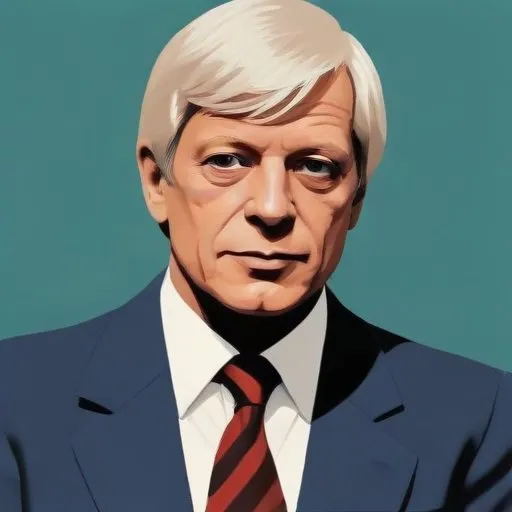
George Plimpton: The Pioneering Journalist and Literary Icon
A Life of Immersive Storytelling
George Plimpton is renowned for his innovative approach to journalism, participatory sports writing, and his founding role in the prestigious literary magazine, The Paris Review. Through his remarkable career, Plimpton immersed himself in various professional pursuits, from sports and entertainment to music and acting, to craft captivating narratives that continue to fascinate readers.
Early Life and Family Background
Born on March 18, 1927, in New York City, Plimpton spent his childhood in Manhattan's Upper East Side and summered in West Hills, Long Island. His father, Francis T. P. Plimpton, was a successful corporate lawyer and name partner of the law firm Debevoise and Plimpton, while his mother, Pauline Ames, came from a prominent family. Plimpton's paternal grandfather, George Arthur Plimpton, was a well-known educator and philanthropist.
The Paris Review and Literary Contributions
In 1953, Plimpton co-founded The Paris Review, a literary magazine that would become a hub for contemporary fiction and poetry. As the magazine's first and only editor, Plimpton was instrumental in shaping its direction, publishing works by emerging and established writers, including
Ernest Hemingway,
F. Scott Fitzgerald, and
Philip Roth. His dedication to the magazine earned him a reputation as a champion of serious, contemporary literature.
Participatory Journalism and Adventurous Spirit
Plimpton's journalistic approach was characterized by his willingness to participate in the experiences he wrote about. He became a professional athlete, performing with the Detroit Lions football team, and later, a stand-up comedian at Caesars Palace in Las Vegas. He even played with the New York Philharmonic Orchestra, recording his experience as an amateur musician. These exploits, chronicled in his numerous books, showcased his boundless energy, perpetual bonhomie, and wit.
Major Works and Career Highlights
Throughout his career, Plimpton authored nearly three dozen books, including:
- Out of My League (1961), an account of his experience with the Detroit Lions
- Paper Lion (1966), a chronicle of his time with the Lions
- The Bogey Man (1967), a humorous exploration of his golfing adventures
- Shadow Box (1977), a revealing look at the world of professional boxing
Influence on Modern Society and Pop Culture
Plimpton's innovative approach to journalism and storytelling has inspired generations of writers, journalists, and filmmakers. His work has been referenced in popular culture, including in films and television shows such as
The Simpsons and
Seinfeld. His legacy continues to shape the world of literature and journalism, encouraging writers to push boundaries and explore new ways of storytelling.
Awards and Honors
Plimpton received numerous awards and honors for his contributions to literature and journalism, including:
- The National Book Award for his book Shadow Box
- The Prix de Rome from the American Academy of Arts and Letters
Personal Milestones and Key Life Events
Throughout his life, Plimpton was known for his charismatic personality, wit, and bonhomie. He was a ubiquitous presence at literary events, book parties, and social gatherings, where he would regale attendees with stories of his adventures.
Legacy and Impact
George Plimpton's remarkable life and work have left an indelible mark on the world of literature, journalism, and beyond. His pioneering approach to participatory journalism, his commitment to The Paris Review, and his boundless energy have inspired generations of writers, journalists, and adventurers. As a testament to his enduring legacy, Plimpton's work continues to captivate readers, reminding us of the power of immersive storytelling and the importance of exploring new frontiers.
FAQ
What was George Plimptons role in American literature?
George Plimpton was an American journalist, writer, and actor, known for his participatory journalism, which involved immersing himself in various professions and activities to write about them from a firsthand perspective.
What makes George Plimptons writing style so unique?
George Plimptons writing style is unique due to his ability to combine humor, curiosity, and a sense of adventure in his reporting, which made his articles and books both entertaining and informative.
What was George Plimptons most notable literary achievement?
George Plimptons most notable literary achievement was his book Paper Lion, which chronicles his experiences training with the Detroit Lions football team and is considered a classic of participatory journalism.
How did George Plimptons participatory journalism influence his writing?
George Plimptons participatory journalism allowed him to gain a deeper understanding of his subjects, which enabled him to write about them with authority and empathy, creating a more immersive and engaging reading experience.
What is George Plimptons legacy in American journalism?
George Plimptons legacy in American journalism is one of innovation, creativity, and a commitment to storytelling, inspiring future generations of writers and journalists to experiment with new forms and approaches.