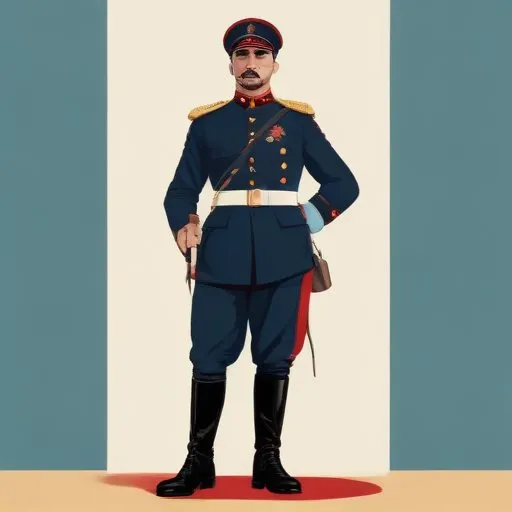
Georges Bernanos: The Acclaimed French Author and Soldier
A Life of Service and Liturgical Masterpieces
Georges Bernanos, a French author, and soldier, is best known for his powerful novels that revolve around the struggles of parish priests against evil and despair. His two most renowned works,
Sous le soleil de Satan (1926) and
Journal d'un curé de campagne (1936), have been translated into English and widely published in Great Britain and the United States.
Early Life and Career
Born on February 20, 1888, in Paris, Bernanos grew up in the village of Fressin, Pas-de-Calais region, which later became a frequent setting for his novels. He served in World War I as a soldier, participating in the battles of the Somme and Verdun, where he was wounded multiple times. After the war, he worked in insurance before devoting himself to writing.
Literary Achievements
Bernanos's literary career was marked by critical acclaim and commercial success. He won the Grand Prix du roman de l'Académie française for
The Diary of a Country Priest, published in 1936. His works are characterized by their focus on the struggles of the human condition, the nature of evil, and the role of faith in overcoming despair.
Philosophical Contributions and Beliefs
As a Catholic with monarchist leanings, Bernanos was critical of elitist thought and opposed to what he identified as defeatism. He believed that defeatism had led to France's defeat and occupation by Germany in 1940 during World War II. His philosophical contributions are reflected in his literary works, which often explore the tension between faith and politics.
Personal Milestones and Key Life Events
- 1926: Publication of Sous le soleil de Satan, Bernanos's first novel, which received critical acclaim.
- 1932: Bernanos broke with Charles Maurras and the Action Française, a right-wing organization that advocated for the overthrow of the French Republic.
- 1936: Publication of Journal d'un curé de campagne, which won the Grand Prix du roman de l'Académie française.
- 1938: Publication of Les Grands Cimetières sous la lune, a critical account of the Spanish Civil War.
Influence on Modern Society
Bernanos's literary works have had a significant impact on modern society, influencing writers, theologians, and philosophers. His exploration of the human condition, faith, and politics continues to resonate with readers today.
Legacy and Historical Context
Bernanos's legacy is marked by his contribution to French literature and his critical engagement with the political and social issues of his time. His works remain a testament to the power of literature to explore the human condition and to inspire critical thinking.
Visual Timeline and Milestones
| 1888 |
Georges Bernanos born in Paris |
| 1914-1918 |
Served in World War I |
| 1926 |
Publication of Sous le soleil de Satan |
| 1932 |
Broke with Charles Maurras and the Action Française |
| 1936 |
Publication of Journal d'un curé de campagne |
| 1938 |
Publication of Les Grands Cimetières sous la lune |
| 1948 |
Georges Bernanos died on July 5 |
Quotes and Memorable Sayings
- "The worst is never the worst, for it can always get worse." - Georges Bernanos
- "The only true wisdom is in knowing you know nothing." - Georges Bernanos
Personal Relationships and Anecdotes
Bernanos was known for his strong personality and critical engagement with the world around him. He was a complex figure, whose relationships with others were often marked by controversy and debate.
Awards and Honors
- Grand Prix du roman de l'Académie française (1936)
- Member of the Académie française (1945)
Educational Contributions and Influence
Bernanos's literary works have been widely studied in schools and universities around the world. His exploration of the human condition, faith, and politics continues to inspire critical thinking and literary analysis.
Inspirational Stories and Motivations
Bernanos's life and literary works serve as a testament to the power of creative expression and critical engagement with the world around us. His exploration of the human condition continues to inspire readers and writers today.
FAQ
What themes did Georges Bernanos explore in his writing?
Georges Bernanos explored themes of faith, morality, and the human condition in his writing, and his works are known for their philosophical and spiritual depth.
What was Georges Bernanos most famous work?
Georges Bernanos most famous work is his novel The Diary of a Country Priest, which is considered a classic of 20th-century French literature.
What was Georges Bernanos early life like?
Georges Bernanos was born in 1888 in Paris, France, and came from a family of modest means. He was educated at the Lycée Voltaire and served in World War I.
How did Georges Bernanos experiences in World War I influence his writing?
Georges Bernanos experiences in World War I had a profound impact on his writing, and he often explored themes of war, sacrifice, and redemption in his works.
What awards did Georges Bernanos receive for his writing?
Georges Bernanos received the Grand Prix du roman de lAcadémie française for his novel Les Grands Cimetières sous la lune in 1938.