


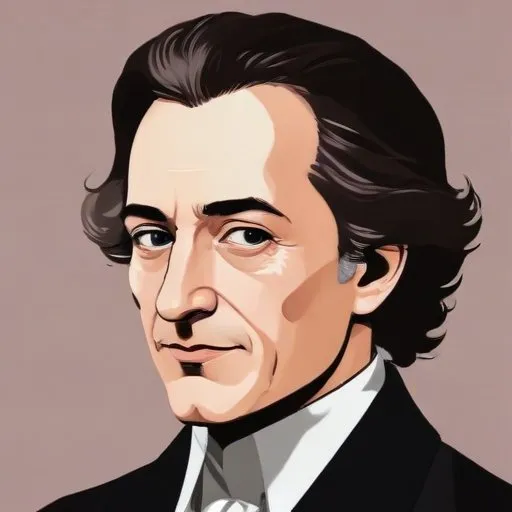
A French composer of operettas and musical comedies, known for his witty and lighthearted style, which captivated Parisian audiences in the early 20th century.
Georges Van Parys, a French composer of unparalleled talent, is renowned for his remarkable contributions to the world of film music and operettas. With a career spanning over four decades, he left an indelible mark on the French music scene, earning him a revered place among the nation's most celebrated composers.
Born on June 7, 1902, in Paris, France, Van Parys was exposed to the world of music from a tender age. The works of Les Six, Maurice Ravel, and Claude Debussy, some of the most prominent composers of the time, had a profound impact on his musical style and approach.
Van Parys's compositional career can be broadly categorized into two distinct phases: film music and operettas. His early work in film music saw him collaborating with some of the most acclaimed filmmakers of the time, resulting in iconic scores that continue to enchant audiences to this day. Some of his notable film scores include:
In the 1950s, Van Parys shifted his focus to operettas, penning some of the most beloved and enduring works in the genre. His operettas, often collaborating with librettist Philippe Pars, showcased his mastery of melodic crafting and witty storytelling:
Van Parys's music often reflected his strong affinity for French culture and his deep understanding of the human experience. He believed that music should be accessible to all, and his works aimed to bridge the gap between high art and popular entertainment. This ideology is evident in his ability to craft melodies that are both memorable and cerebral.
Throughout his life, Van Parys was an active participant in the French music scene, serving as the vice-president of the Société des auteurs, compositeurs et éditeurs de musique (SACEM). He was also an accomplished writer, publishing his memoirs, Les Jours comme ils viennent, in 1969.
Georges Van Parys's contributions to French music are immeasurable. His film scores and operettas continue to delight audiences, and his legacy inspires a new generation of composers. He remains an integral part of France's cultural heritage, and his music will forever be etched in the nation's collective memory.
Van Parys passed away on January 28, 1971, in Paris, leaving behind a rich musical legacy that will continue to enchant and inspire for generations to come. He is buried in the cemetery at Villiers-sur-Marne, a testament to his enduring impact on French cultural landscape.
Born in 1875
A renowned French musician who blended classical and modern styles, creating iconic works like "Bolero" that continue to mesmerize audiences with their beauty and complexity.
Born in 1862
A renowned French pianist and composer who revolutionized classical music with his unique, dreamy, and unconventional style, creating iconic works like "Clair de Lune" and "Prelude to the Afternoon of a Faun".
Born in 1866
A pioneering composer of minimalist and avant-garde music, known for his unconventional and humorous approach to classical music, creating a new kind of simplicity and clarity. His music often featured repetitive patterns and witty titles.
Born in 1835
A French Romantic-era mastermind who composed iconic works like "The Carnival of the Animals" and "Danse Macabre", leaving an indelible mark on classical music.
Born in 1845
A renowned French pianist, composer, and educator, he is most known for his romantic and impressionistic compositions, particularly his Requiem and nocturnes.
Born in 1822
A Belgian organist and composer who created iconic works that blended Romanticism and Impressionism, leaving a lasting impact on classical music.
Born in 1848
A French soldier and composer, he is most known for his romantic and expressive art songs, which are still widely performed today, showcasing his mastery of melody and harmony.
