


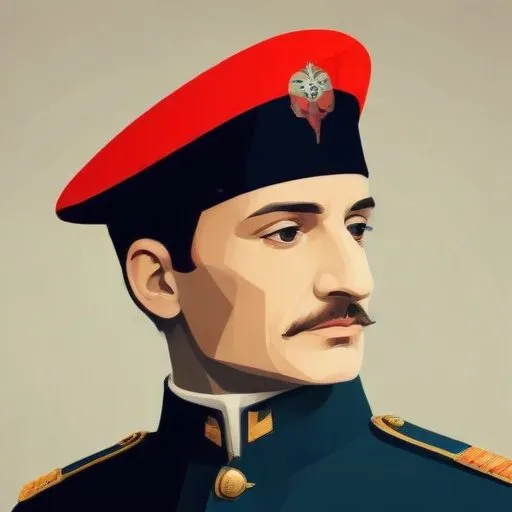
A French soldier and composer, he is most known for his romantic and expressive art songs, which are still widely performed today, showcasing his mastery of melody and harmony.
Renowned for his exquisite melodic art songs, Henri Duparc was a French composer of the late Romantic period who mesmerized the music world with his unique style and poetic flair. With a mere 40 works to his credit, Duparc's genius is a testament to the power of creativity, passion, and dedication.
Born on January 21, 1848, in Paris, France, Henri Duparc was the son of Charles Fouques-Duparc and Amélie de Guaita. He began his music education at the Jesuit College in the Vaugirard district, where he studied piano under the tutelage of the illustrious Csar Franck. This foundational training laid the groundwork for his future success as a composer.
In 1871, Duparc married Ellen MacSwiney, a Scottish woman, and joined forces with Camille Saint-Sans and Romain Bussine to found the Société Nationale de Musique. This prestigious organization aimed to promote and support French music, providing a platform for Duparc to showcase his talents.
Duparc's magnum opus is perhaps his collection of 17 melodic art songs, featuring texts by celebrated poets such as Baudelaire, Gautier, Leconte de Lisle, and Goethe. These songs, characterized by their lyricism, nuance, and emotional depth, have captivated audiences and inspired generations of composers.
In 1885, at the age of 37, Duparc's creative output came to an abrupt halt due to a mental illness, diagnosed as neurasthenia. This affliction led him to abandon composition, and he redirected his energy towards his family and other passions, including drawing and painting.
The turn of the century brought new challenges for Duparc, as he struggled with increasing vision loss. Eventually, he became totally blind, a cruel fate for a man who had once reveled in the beauty of music and art. In a poignant letter to his friend, Jean Cras, Duparc wrote of his destruction of his incomplete opera, citing a moral transformation and a sense of disconnection from his past life.
Despite the brevity of his active compositional career, Duparc left an indelible mark on the world of music. His art songs continue to enchant audiences, and his legacy serves as a beacon of inspiration for aspiring composers. Though his life was marked by triumph and tragedy, Henri Duparc's creative spirit and artistic genius remain unwavering, a testament to the power of passion and dedication.
Henri Duparc's life and music serve as a poignant reminder of the fleeting nature of creative genius and the enduring power of art to transcend time and adversity.
Born in 1862
A renowned French pianist and composer who revolutionized classical music with his unique, dreamy, and unconventional style, creating iconic works like "Clair de Lune" and "Prelude to the Afternoon of a Faun".
Born in 1845
A renowned French pianist, composer, and educator, he is most known for his romantic and impressionistic compositions, particularly his Requiem and nocturnes.
Born in 1822
A Belgian organist and composer who created iconic works that blended Romanticism and Impressionism, leaving a lasting impact on classical music.
Born in 1842
A French Romantic composer, renowned for his operas, particularly "Manon" and "Werther", which showcased his mastery of lyricism and dramatic flair.
Born in 1818
A French Romantic-era composer and educator, renowned for his operas, particularly "Faust," which remains a staple of the operatic repertoire. His music is characterized by lyricism and dramatic flair.
Born in 1811
A French Romantic-era composer, he wrote operas that blended lyricism and drama, including the famous "Mignon" and "Hamlet", which are still performed today.
Born in 1803
A French Romantic-era mastermind who composed iconic symphonies, operas, and orchestral works, revolutionizing classical music with his bold, expressive style.
Born in 1668
A renowned Baroque composer and organist, known for his intricate and expressive harpsichord music that showcased his mastery of counterpoint and ornamentation. His works continue to inspire and influence classical music today.
