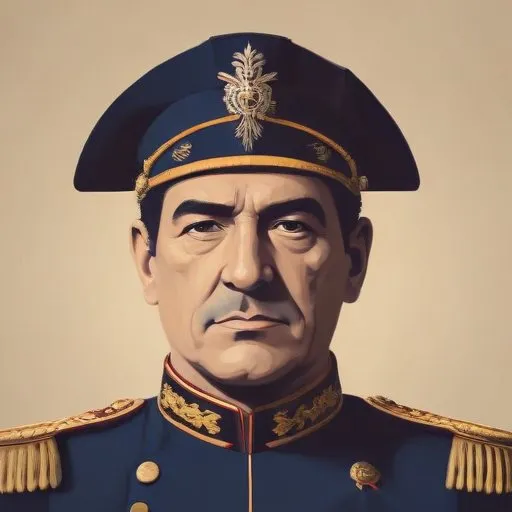
Georgios Grivas: The Cypriot War Hero and Founder of EOKA
Georgios Grivas, also known by his nickname Digenis, is renowned for being the founder and leader of the Greek and Greek Cypriot paramilitary organizations, EOKA, EOKA B, and Organization X. He played a pivotal role in the Cypriot War of Independence, ultimately securing the independence of Cyprus from the British Empire.
Early Life and Education
Grivas was born on June 6, 1897, in Trikomo, Cyprus, to Greek Cypriot parents Kalomira Hatzimichael and Theodoros Grivas. He grew up in Trikomo and attended the local village school before moving to Nicosia to study at the Pancyprian Gymnasium from 1909 to 1915.
Military Career and the Greco-Turkish War
In 1916, Grivas moved to Greece and enrolled at the Hellenic Military Academy, taking Greek citizenship. He later attended the École Militaire in Paris, graduating in 1919. He joined the Hellenic Army as a Sub-Lieutenant and was immediately posted on the Asia Minor front of the Greco-Turkish War. Grivas served in the Hellenic Army's 10th Division and participated in its advance from Smyrna to Panormos, past Bursa and the Battle of Sakarya. For his bravery, he was decorated and promoted to Lieutenant.
The Cypriot War of Independence and EOKA
Grivas is best known for his leadership in the Cypriot War of Independence. In 1955, he founded EOKA, a paramilitary organization that fought against British colonial rule in Cyprus. Under his leadership, EOKA employed guerrilla warfare tactics, including bombings, assassinations, and ambushes, against the British. Grivas' strategic mind and leadership skills played a crucial role in the eventual independence of Cyprus in 1960.
EOKA B and the Struggle for Enosis
After Cyprus gained independence, Grivas continued to fight for Enosis, the union of Cyprus with Greece. In 1971, he founded EOKA B, a new paramilitary organization that aimed to achieve Enosis through armed struggle. However, his efforts were cut short by his death on January 27, 1974, just six months before the 1974 Cypriot coup and subsequent Turkish invasion of Cyprus.
Legacy and Impact
Georgios Grivas' legacy is complex and multifaceted. While some view him as a nationalist hero who fought for Cyprus' independence and Enosis, others see him as a militant who used violent means to achieve his goals. Regardless, his contributions to the Cypriot War of Independence and his role in shaping the island's modern history are undeniable.
Quotes and Memorable Sayings
"I do not want to be remembered as a man of violence, but as a man who fought for his country's freedom."
Personal Milestones and Key Life Events
- 1897: Born in Trikomo, Cyprus
- 1916: Moves to Greece and enrolls at the Hellenic Military Academy
- 1919: Graduates from the École Militaire in Paris
- 1955: Founds EOKA and begins the Cypriot War of Independence
- 1960: Cyprus gains independence from British colonial rule
- 1971: Founds EOKA B and continues the struggle for Enosis
- 1974: Dies six months before the 1974 Cypriot coup and subsequent Turkish invasion of Cyprus
Influence on Modern Society
Grivas' legacy continues to shape Cypriot politics and society. His struggle for Enosis has inspired generations of Cypriots to fight for their country's unity and independence. However, his use of violent means has also sparked controversy and debate about the ethics of armed struggle.
FAQ
What is Georgios Grivass most notable military achievement?
Georgios Grivas is celebrated for his leadership of the Greek resistance against the Turkish occupation of Cyprus during the 1950s and 1960s.
How did Georgios Grivass military strategy influence the Cyprus conflict?
Georgios Grivass military strategy, which emphasized guerrilla warfare and sabotage, helped to galvanize the Greek Cypriot nationalist movement and challenge Turkish rule in Cyprus.
What is Georgios Grivass significance in Greek and Cypriot history?
Georgios Grivas is a national hero in both Greece and Cyprus, recognized for his bravery and leadership in the fight for Cypriot independence and self-determination.
How did Georgios Grivass actions impact the international community?
Georgios Grivass actions drew international attention to the Cyprus conflict, prompting diplomatic efforts to resolve the dispute and ultimately contributing to the islands independence in 1960.
What is Georgios Grivass legacy in modern Greek and Cypriot politics?
Georgios Grivass legacy in modern Greek and Cypriot politics is marked by his unwavering commitment to national independence and self-determination.