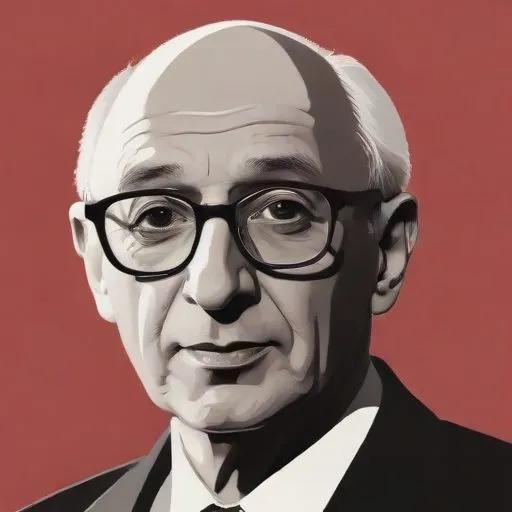
Sir Gerald Kaufman: A Life of Politics, Literature, and Activism
A Career of Distinction
Sir Gerald Kaufman is perhaps best known for his long-standing tenure as a British politician, serving as a Member of Parliament (MP) for over 47 years, earning him the esteemed title of Father of the House in 2015. His commitment to public service was matched only by his passion for literature, which led him to become a prominent author and journalist, making him a unique figure in British politics.
Early Life and Education
Born on June 21, 1930, in Leeds, England, to a Polish Jewish family, Kaufman's life was shaped by his early experiences. He studied philosophy, politics, and economics at The Queen's College, Oxford, where he was an active member of the Oxford University Labour Club. This early involvement in politics would set the stage for his future endeavors.
A Journalist and Writer
Before entering politics, Kaufman worked as a journalist at the Daily Mirror and the New Statesman, as well as a writer at BBC Television. This experience honed his writing skills, which he would later utilize in his literary pursuits.
Political Career
Kaufman's political career began in earnest when he was elected as an MP in the 1970 general election, representing Manchester Ardwick. He served in various capacities, including as a minister in the Labour government from 1974 to 1979, and as a member of the Shadow Cabinet in the 1980s. Kaufman's political acumen led him to become chair of the Culture, Media and Sport Committee from 1992 to 2005.
Controversies and Criticisms
Throughout his career, Kaufman faced controversies, most notably during the 2009 parliamentary expenses scandal, where he was found to have made excess claims to the parliamentary fees office. Despite this, he continued to serve in the House of Commons, earning the respect of his peers and constituents.
Personal Milestones and Key Life Events
* Kaufman was knighted in 2004 for his services to politics.
* He became the UK's oldest sitting MP at the time of his death in February 2017.
* Kaufman was a strong advocate for Palestinian statehood and an outspoken opponent of fox hunting.
* He famously described the Labour Party's 1983 general election manifesto as "the longest suicide note in history."
Philosophical Contributions and Beliefs
Kaufman's philosophical contributions to politics were shaped by his academic background in philosophy, politics, and economics. His literary works often reflected his beliefs on socialism, democracy, and human rights.
Legacy and Impact
Sir Gerald Kaufman's life is a testament to his dedication to public service, literature, and activism. His contributions to politics, journalism, and literature have left an indelible mark on British society. As a respected figure in British politics, Kaufman's legacy continues to inspire future generations of politicians, writers, and activists.
Quotes and Memorable Sayings
* "The longest suicide note in history" - Kaufman's famous description of the Labour Party's 1983 general election manifesto.
* "I have always been driven by a desire to make the world a better place" - Kaufman's reflection on his life's work.
Trivia and Fun Facts
* Kaufman was an avid traveler and enjoyed visiting countries with rich cultural heritage.
* He was a strong supporter of the arts, often attending theater performances and literary festivals.
Historical Context and Legacy
Sir Gerald Kaufman's life and career spanned a pivotal period in British history, from the post-war era to the present day. His contributions to politics, literature, and activism have left a lasting impact on British society, cementing his place as one of the most respected figures in modern British politics.