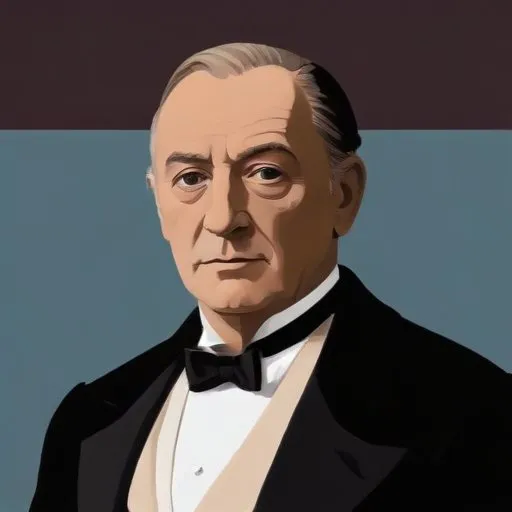
Gerald Tyrwhitt-Wilson, 14th Baron Berners: The Enigmatic Aristocrat and Renaissance Man
A Life of Whimsy and Eccentricity
Gerald Tyrwhitt-Wilson, 14th Baron Berners, was a British aristocrat, novelist, painter, and composer who defied convention and delighted in the absurd. Known for his flamboyant lifestyle, outrageous parties, and eclectic artistic talents, Berners was a true original, whose life was a masterpiece of creative expression.
A Life of Privilege and Rebellion
Born on September 18, 1883, into a wealthy and influential family, Berners was destined for greatness. However, he rejected the traditional path of his peers, instead embracing his artistic side and cultivating a reputation as a bon vivant. His family's ancestral home, Faringdon House, became a hub for his extravagant gatherings, where he would indulge his friends in outrageous costumes, elaborate games, and outrageous behavior.
A Renaissance Man
Berners' creative talents knew no bounds. He was a prolific novelist, publishing several books, including
Fantasia alla Handeliana and
The Girls of Radcliffe Hall. His paintings, often surreal and fantastical, were exhibited at the London Galleries. As a composer, he wrote opera, ballet, and orchestral pieces, including the famous
Fairy Caravan, which premiered at the Royal Opera House in 1935.
Philosophical Contributions and Beliefs
Berners' artistic expression was deeply rooted in his philosophical outlook. He believed in the power of imagination and the importance of living life to the fullest. His writings often explored themes of individuality, nonconformity, and the human condition. In his own words, "Life is a fairy tale, and I am the fool who believes in it."
Personal Milestones and Key Life Events
- 1918: Berners inherits the title of 14th Baron Berners and Faringdon House
- 1930s: He becomes a prominent figure in London's high society, hosting lavish parties and gatherings
- 1941: Berners' novel, The Romance of a Nose, is published to critical acclaim
- 1950s: He begins to focus on his music, composing several major works, including Fairy Caravan
Influence on Modern Society
Berners' impact on modern society is felt in his defiance of convention and his celebration of individuality. His artistic expression, though often provocative, paved the way for future generations of artists, writers, and musicians. His legacy inspires us to embrace our uniqueness and reject the mundane.
Quotes and Memorable Sayings
- "I am a snob, but I am a snob who likes to be liked."
- "Life is a lottery, and I have drawn a winning ticket."
- "I am not a saint, but I am a saint in my own way."
Historical Context and Legacy
Berners' life and work reflect the tumultuous and transformative era in which he lived. His artistic output, though often provocative, was a response to the social and cultural upheavals of the time. Today, his legacy continues to inspire and delight, a testament to the power of individuality and creative expression.
Impact on Pop Culture
Berners' influence can be seen in the work of artists, writers, and musicians who have followed in his footsteps. His flamboyant style, outrageous behavior, and creative output have inspired generations of free thinkers and nonconformists.
Awards and Honors
- 1935: Royal Opera House premieres Fairy Caravan, Berners' opera
- 1941: The Romance of a Nose receives critical acclaim and literary awards
Personal Relationships and Anecdotes
Berners' personal relationships were as colorful as his personality. He was known for his close friendships with artists, writers, and socialites, including
Cecil Beaton,
Nancy Mitford, and
Evelyn Waugh. One notable anecdote tells of Berners dyeing his pet doves pink and releasing them at one of his infamous parties.
Trivia and Fun Facts
- Berners was known for his love of animals, particularly his pet dogs, which he would often dress in matching outfits.
- He was a prolific letter writer, corresponding with friends and acquaintances throughout his life.
Charitable Work and Social Contributions
Though Berners was known for his extravagant lifestyle, he was also a generous patron of the arts and a supporter of charitable causes. He regularly hosted fundraising events and donated to various organizations, including the Royal Opera House and the British Red Cross.
Inspirational Stories and Motivations
Berners' life is a testament to the power of creativity, individuality, and living life to the fullest. His story inspires us to embrace our quirks, reject convention, and cultivate our unique talents and passions. As he once said, "Life is a fairy tale, and I am the fool who believes in it."
FAQ
Who was Gerald Tyrwhitt-Wilson, the 14th Baron Berners?
Gerald Tyrwhitt-Wilson, 14th Baron Berners, was an English composer, painter, and author. He was a Renaissance man, excelling in various artistic fields and leaving a lasting impact on British cultural life.
What was Gerald Tyrwhitt-Wilsons contribution to British music?
Gerald Tyrwhitt-Wilson was a prolific composer, creating works in a range of genres, from chamber music to opera. His compositions are known for their lyricism, wit, and sense of humor.
What was Gerald Tyrwhitt-Wilsons style as a painter?
Gerald Tyrwhitt-Wilsons paintings are characterized by their bold colors, whimsical subjects, and sense of fantasy. He was particularly known for his portraits of friends and family, often infused with a sense of humor and satire.
Did Gerald Tyrwhitt-Wilson write any literary works?
Yes, Gerald Tyrwhitt-Wilson was a skilled writer, penning several novels, plays, and essays. His literary works often explored themes of art, society, and the human condition, showcasing his wit and insight.
What is Gerald Tyrwhitt-Wilsons legacy in British cultural life?
Gerald Tyrwhitt-Wilsons legacy is that of a true polymath, whose creative output spanned multiple disciplines. His contributions to music, art, and literature have left a lasting impact on British cultural life, inspiring future generations of artists and intellectuals.