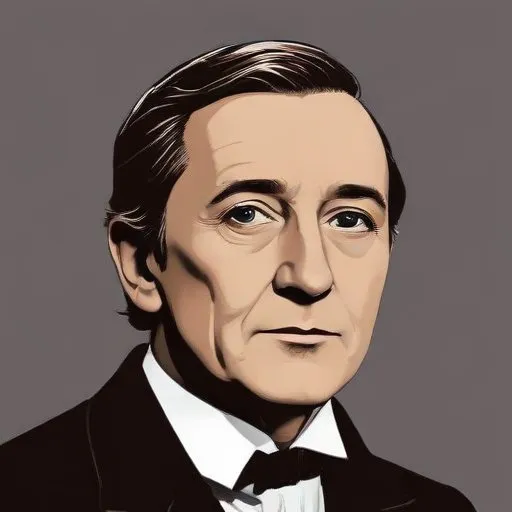
Constant Lambert

Constant Lambert

Constant Lambert was born on August 23rd, 1905

Full Name: Leonard Constant Lambert
Place of Birth: London, England
Occupation: English Composer
Known For: Ballets and Orchestral Works
Born: August 23, 1905
Died: August 21, 1951
Notable Work: Horoscope and The Rio Grande
Genre: Classical Music

A British composer and conductor who blended jazz and classical music, creating innovative and eclectic works that showcased his unique style. He's also known for his witty writings on music and his association with the Ballets Russes.

Written by: Aisha Patel Aisha Patel

Constant Lambert: The Visionary Composer and Conductor Behind the Royal Ballet

A Pioneer in English Ballet

Constant Lambert was a British composer, conductor, and author who played a pivotal role in establishing the English ballet as a significant artistic movement. Alongside Dame Ninette de Valois and Sir Frederick Ashton, Lambert founded and directed the Royal Ballet, leaving an indelible mark on the world of dance and music.

A Life of Music and Letters

Born on August 23, 1905, to Australian painter George Lambert and his wife Amy, Constant demonstrated exceptional musical talent from a young age. He wrote his first orchestral work at 13 and went on to study at the Royal College of Music, where his teachers included Ralph Vaughan Williams, R. O. Morris, and Sir George Dyson.

A Diverse Body of Work

Lambert's compositional output was diverse and innovative, reflecting his broad interests in music, literature, and the arts. His ballet scores, such as Horoscope (1937) and Summer's Last Will and Testament (1936), are considered some of his finest works. The latter, a full-scale choral masque, is often regarded as his masterpiece. Lambert's jazz-influenced Piano Concerto (1931) and The Rio Grande, a work for chorus, orchestra, and piano soloist, also showcased his unique blend of styles and influences.

A Critical Thinker and Writer

Lambert's intellectual curiosity extended beyond music to literature and the arts. His critical study, Music Ho! (1934), placed music within the context of other art forms, revealing his broader cultural interests. His friendships with luminaries like John Maynard Keynes, Anthony Powell, and the Sitwells demonstrate the esteem in which he was held as a polymath and conversationalist.

A Legacy of Inspiration

Throughout his life, Lambert's commitment to the arts inspired many. His conducting work with the Royal Ballet and his compositions continue to influence generations of musicians and dancers. As Denis ApIvor, a fellow composer, noted, Lambert was "the most entertaining personality of the musical world."

Personal Milestones and Key Life Events

A Lasting Impact

Constant Lambert's multifaceted contributions to music, dance, and literature continue to inspire and enrich our cultural landscape. His legacy serves as a testament to the power of artistic innovation and collaboration, ensuring his place as one of the most important figures in the history of English ballet.
Timeline
1905
Born in England
Constant Lambert was born on August 23, 1905, in London, England.
1920
Studied at the Royal College of Music
Lambert studied at the Royal College of Music, where he was influenced by modernist movements.
1930
Composed ballets for the Vic-Wells Ballet
Lambert composed ballets for the Vic-Wells Ballet, including The Rio Grande.
1940
Wrote Music Ho!
Lambert wrote Music Ho!, a book on music criticism and aesthetics.
1951
Died in England
Constant Lambert died on August 21, 1951, at the age of 45, in London, England.
Constant Lambert

Constant Lambert Quiz

What genre of music did Constant Lambert blend with classical music?

Score: 0/5
FAQ
What was Constant Lamberts role in British music?
Constant Lambert was a prominent English composer, conductor, and pianist who played a key role in shaping British music in the early 20th century.
What was Constant Lamberts compositional style?
Constant Lamberts compositions are characterized by their lyricism, wit, and eclecticism, drawing on a wide range of influences from classical music to jazz and popular music.
How did Constant Lambert collaborate with other artists?
Constant Lambert collaborated with many prominent dancers, choreographers, and artists, including Diaghilevs Ballets Russes and the Royal Ballet.
What was Constant Lamberts most famous composition?
Constant Lamberts most famous composition is probably his ballet score for The Rio Grande, which premiered in 1931 and remains a classic of British ballet.
Is Constant Lamberts music still performed today?
Yes, Constant Lamberts music continues to be performed and recorded by orchestras and ensembles around the world, and his legacy as a composer and conductor is still celebrated today.

Related People:

Benjamin Britten

Born in 1913

A renowned musician who masterfully blended classical and opera styles, creating iconic works like "Peter Grimes" and "The Young Person's Guide to the Orchestra".

Michael Tippett

Born in 1905

A renowned composer and conductor, known for blending modernist and romantic elements in his works, creating a unique and expressive sound. His operas and symphonies are highly acclaimed for their lyricism and dramatic intensity.

William Walton

Born in 1902

A renowned composer of orchestral and choral works, particularly famous for his iconic score for Laurence Olivier's 1944 film "Henry V" and his ceremonial music for British coronations.

Ralph Vaughan Williams

Born in 1872

A renowned composer and educator, he's celebrated for his symphonies and folk-song inspired works that evoke a sense of English heritage and nostalgia. His music is a testament to his love for his homeland's cultural roots.

Gustav Holst

Born in 1874

A renowned composer and educator, best known for his orchestral suite "The Planets", which evokes a sense of cosmic wonder and exploration. His music is a staple of classical repertoire, still widely performed today.

Edward Elgar

Born in 1857

A renowned composer and educator, best known for his iconic orchestral works, including the majestic "Pomp and Circumstance" march, which is a staple at graduations worldwide.

Frederick Delius

Born in 1862

A pioneering composer of the early 20th century, known for his impressionistic and expressive works that evoke a sense of nature and the human experience. His music is characterized by lush harmonies and orchestration.

Arnold Bax

Born in 1883

A celebrated composer and poet, he crafted symphonies, concertos, and tone poems that showcased his mastery of orchestration and poetic flair. His works evoke a sense of mysticism and Celtic mythology.