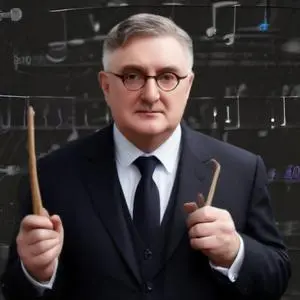
Ralph Vaughan Williams: The Visionary Composer Who Redefined British Music
A Life of Innovation and Creativity
Ralph Vaughan Williams is renowned for his profound contribution to British music, leaving an indelible mark on the industry with his operas, ballets, chamber music, and orchestral compositions. With a repertoire of nine symphonies, written over six decades, he is celebrated as one of the most prominent British symphonists of the 20th century.
A Childhood Steeped in Music and Morality
Born on October 12, 1872, in Down Ampney, Gloucestershire, Vaughan Williams was raised in a family that cherished music and social responsibility. His parents, Arthur and Margaret Vaughan Williams, instilled in him a strong sense of morality and a commitment to serving others. This upbringing would shape his approach to music, encouraging him to make it accessible to everyone.
Musical Journey and Influences
Vaughan Williams' musical career was marked by a late start, but his passion and dedication led him to study at the Royal College of Music and Trinity College, Cambridge. A pivotal moment in his development came when he studied with French composer
Maurice Ravel in 1907-1908. This exposure helped him break free from the Teutonic influences that dominated British music at the time and discover his unique voice.
Tudor Music and English Folk Songs: Inspirations and Innovations
Vaughan Williams was deeply influenced by Tudor music and English folk songs, which are reflected in his compositions. He was fascinated by the rich cultural heritage of his country and sought to incorporate these elements into his work. His music often blended traditional and modern styles, creating a distinctive sound that resonated with audiences.
Iconic Works and Compositions
Vaughan Williams' oeuvre is replete with masterpieces that have become an integral part of British musical heritage.
- Fantasia on a Theme by Thomas Tallis (1910) - A groundbreaking work that showcased his ability to blend ancient and modern styles.
- The Lark Ascending (1914) - A poignant and evocative piece that has become a staple of British music.
- Job: A Masque for Dancing (1930) - A successful ballet that has been frequently staged and praised for its innovative score.
- His nine symphonies, written between 1903 and 1958, demonstrating his remarkable range and depth.
Personal Life and Inspiration
Two significant events had a profound impact on Vaughan Williams' personal life. His experiences during World War I left an indelible mark on his psyche, while a romantic affair with a younger woman, Ursula Wood, in his sixties brought new inspiration and energy to his life. This relationship would lead to their marriage in 1953.
Legacy and Impact
Ralph Vaughan Williams' legacy extends far beyond his compositions. He played a crucial role in promoting British music, encouraging amateur and student performances, and making music accessible to everyone. His influence can be seen in the work of subsequent generations of British composers, and his contribution to the world of music remains unparalleled.
Awards and Honors
Vaughan Williams received numerous accolades for his work, including:
- The Royal Philharmonic Society's Gold Medal (1930)
- A Grammy Lifetime Achievement Award (1987)
- A portrait in the National Portrait Gallery (1954)
A Timeless Legacy
Ralph Vaughan Williams' life was a testament to his passion for music and his commitment to serving others. His music continues to inspire and uplift audiences, ensuring his legacy as one of the greatest British composers of all time.
FAQ
What was Ralph Vaughan Williamss contribution to English music?
Ralph Vaughan Williams was a renowned English composer and educator who made significant contributions to English music, particularly in the fields of choral music, symphonies, and folk song arrangements.
What inspired Ralph Vaughan Williamss music?
Ralph Vaughan Williamss music was inspired by his love of English folk music, literature, and landscape. He drew heavily from these sources, incorporating folk melodies and texts into his compositions.
What was Ralph Vaughan Williamss role in the development of English opera?
Ralph Vaughan Williams played a crucial role in the development of English opera, composing several operas that drew on English literature and folklore. His most famous opera, Riders to the Sea, is considered a landmark work in the genre.
How did Ralph Vaughan Williamss music reflect his national identity?
Ralph Vaughan Williamss music reflected his deep connection to English culture and national identity. He believed that music should be rooted in the folk traditions and literary heritage of a nation, and his compositions often celebrated English history and culture.
What was Ralph Vaughan Williamss legacy in music education?
Ralph Vaughan Williamss legacy in music education is that of a dedicated teacher and mentor who inspired generations of composers and musicians. He taught at the Royal College of Music and was a strong advocate for music education and the development of young talent.