


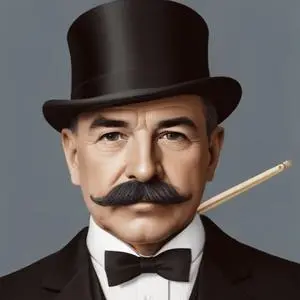
A renowned composer and educator, best known for his iconic orchestral works, including the majestic "Pomp and Circumstance" march, which is a staple at graduations worldwide.
Sir Edward Elgar, a visionary English composer, left an indelible mark on the world of classical music with his iconic works, including the Enigma Variations, Pomp and Circumstance Marches, and two symphonies. His contributions to the realm of orchestral, choral, and chamber music have earned him a permanent place in the pantheon of British classical music.
Born on June 2, 1857, in Lower Broadheath, Worcestershire, England, Elgar's musical journey was shaped by his diverse influences, which were largely continental European rather than English. This unique blend of styles set him apart from his contemporaries, making him an outsider in the world of British classical music.
Elgar's Roman Catholicism and humble origins often led to feelings of social isolation and suspicion, particularly in the Protestant-dominated musical circles of Victorian and Edwardian Britain. Despite these challenges, he persevered, driven by his passion for music and his desire to succeed.
In his fifties, Elgar composed a symphony and a violin concerto, both of which were met with immense acclaim. However, his later works, including his second symphony and cello concerto, took longer to gain widespread recognition, only finding a permanent place in the concert repertory of British orchestras years later.
Elgar's marriage to Caroline Alice Roberts, the daughter of a senior British Army officer, was a pivotal moment in his life. She not only inspired him musically but also socially, helping him to navigate the complexities of British high society.
Despite his struggles for recognition, Elgar's personal relationships and anecdotes reveal a man of great wit and humor. His love of nature, literature, and even athletics (he was an avid cyclist) contributed to his rich and diverse personality.
Today, Elgar is celebrated as one of the most important figures in British classical music. His works continue to inspire and influence generations of composers, musicians, and music enthusiasts worldwide.
His appointment as Master of the King's Musick in 1924 was a testament to his contribution to British music and culture. Elgar's legacy extends beyond his compositions, with his influence felt in various aspects of modern society, from film and television soundtracks to popular culture and education.
These iconic works showcase Elgar's mastery of orchestration, his innovative approach to composition, and his profound understanding of human emotion, making him one of the most beloved and respected composers in the classical music canon.
These honors and awards are a testament to Elgar's significant contributions to British music and culture, cementing his place as one of the most celebrated composers of his time.
Born in 1848
A renowned composer and music historian, he's credited with elevating British music to international prominence, particularly through his iconic "Jerusalem" anthem.
Born in 1852
A renowned Irish composer, conductor, and educator who made significant contributions to the development of classical music, particularly in the UK and Ireland, and is remembered for his iconic choral works and operas.
Born in 1862
A pioneering composer of the early 20th century, known for his impressionistic and expressive works that evoke a sense of nature and the human experience. His music is characterized by lush harmonies and orchestration.
Born in 1872
A renowned composer and educator, he's celebrated for his symphonies and folk-song inspired works that evoke a sense of English heritage and nostalgia. His music is a testament to his love for his homeland's cultural roots.
Born in 1874
A renowned composer and educator, best known for his orchestral suite "The Planets", which evokes a sense of cosmic wonder and exploration. His music is a staple of classical repertoire, still widely performed today.
Born in 1879
A renowned British conductor, known for founding the London Philharmonic Orchestra and promoting classical music to a wider audience through affordable concerts.
Born in 1916
A renowned violinist and conductor who mesmerized audiences with his virtuosic performances and collaborations with esteemed musicians, also a passionate advocate for music education.
99 Years Old
A renowned Russian cellist and conductor, celebrated for his virtuosic performances and advocacy for human rights and freedom of expression. He was a prominent figure in the classical music world, known for his collaborations with prominent composers and musicians.
