


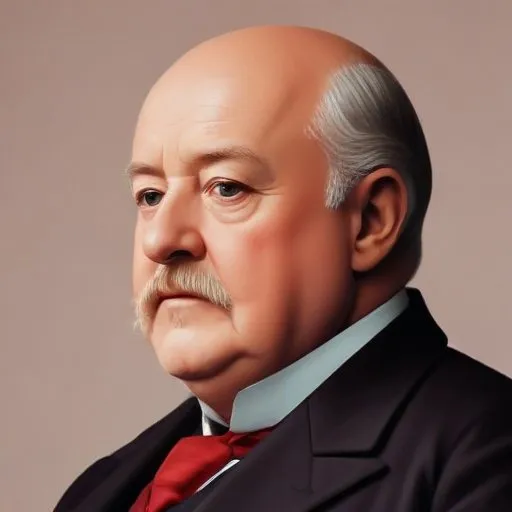
A renowned composer and music historian, he's credited with elevating British music to international prominence, particularly through his iconic "Jerusalem" anthem.
Sir Charles Hubert Hastings Parry, 1st Baronet, is renowned for his iconic compositions that have become an integral part of England's cultural heritage, particularly his patriotic song "Jerusalem" and the coronation anthem "I Was Glad". As a composer, teacher, and historian of music, Parry's contributions to the world of classical music are immense and far-reaching.
Born on February 27, 1848, in Richmond Hill, Bournemouth, Parry's early life was marked by a strong attachment to music. Despite his father's wish for him to pursue a career in insurance, Parry's passion for music led him to work with George Grove, the first editor of Grove's Dictionary of Music and Musicians. This association played a significant role in shaping Parry's career, as he went on to become a professor of composition and musical history at the Royal College of Music in 1883.
Parry's compositional output includes five symphonies, Symphonic Variations, and numerous choral and orchestral works. Some of his notable compositions include:
Parry's scholarly work on music history is exemplified by his 1909 study of Johann Sebastian Bach, which remains a seminal work in the field. This study demonstrates Parry's deep understanding and appreciation of Bach's contributions to the world of classical music.
Parry's influence on later composers is undeniable. Edward Elgar, Ralph Vaughan Williams, Gustav Holst, Frank Bridge, and John Ireland, among others, were among his students at the Royal College of Music. His academic duties and compositional output have had a lasting impact on the development of English music.
Parry's contributions to music were recognized during his lifetime, and he was awarded several honors, including a baronetcy in 1902. He served as the head of the Royal College of Music from 1895 until his death in 1918.
In addition to his musical achievements, Parry's personal life was marked by significant milestones, including his marriage to Elizabeth Maude Herbert in 1872, and his appointment as Heather Professor of Music at the University of Oxford from 1900 to 1908.
Sir Charles Hubert Hastings Parry's profound impact on English music and his lasting legacy in the world of classical music continue to inspire and influence generations of composers and music lovers alike.
Born in 1857
A renowned composer and educator, best known for his iconic orchestral works, including the majestic "Pomp and Circumstance" march, which is a staple at graduations worldwide.
Born in 1852
A renowned Irish composer, conductor, and educator who made significant contributions to the development of classical music, particularly in the UK and Ireland, and is remembered for his iconic choral works and operas.
Born in 1862
A pioneering composer of the early 20th century, known for his impressionistic and expressive works that evoke a sense of nature and the human experience. His music is characterized by lush harmonies and orchestration.
Born in 1872
A renowned composer and educator, he's celebrated for his symphonies and folk-song inspired works that evoke a sense of English heritage and nostalgia. His music is a testament to his love for his homeland's cultural roots.
Born in 1874
A renowned composer and educator, best known for his orchestral suite "The Planets", which evokes a sense of cosmic wonder and exploration. His music is a staple of classical repertoire, still widely performed today.
Born in 1902
A renowned composer of orchestral and choral works, particularly famous for his iconic score for Laurence Olivier's 1944 film "Henry V" and his ceremonial music for British coronations.
Born in 1883
A celebrated composer and poet, he crafted symphonies, concertos, and tone poems that showcased his mastery of orchestration and poetic flair. His works evoke a sense of mysticism and Celtic mythology.
Born in 1914
A prolific actor and director, known for his rugged, versatile performances in film and television, often playing cowboys and authority figures.
