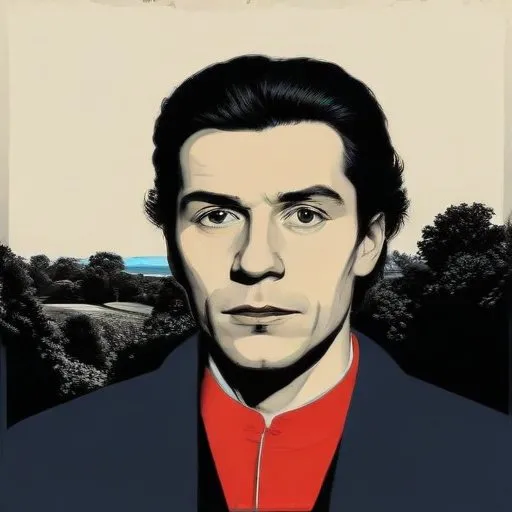
Gerbrand van den Eeckhout

Gerbrand van den Eeckhout

Gerbrand van den Eeckhout was born on August 19th, 1621

Full Name: Gerbrand van den Eeckhout
Nationality: Dutch
Profession: Painter, Etcher, Poet
Centuries Active: 17th
Place of Birth: Amsterdam
Art Movement: Dutch Golden Age
Mentor: Rembrandt
Notable Works: Biblical scenes

A 17th-century Dutch master of genre scenes, landscapes, and portraits, known for his delicate and intricate etchings. His poetic works often explored themes of love and morality.

Written by: Victor Malone Victor Malone

Gerbrand van den Eeckhout: The Pupil Who Rivalled Rembrandt

Gerbrand van den Eeckhout, a Dutch Golden Age painter, etcher, poet, collector, and art adviser, is renowned for his stunning works that often rivaled those of his master, Rembrandt. Born on 19 August 1621 in Amsterdam, Eeckhout was perpetually surrounded by art, with his father being a jeweller and his stepmother connected to the Dutch East India Company.

A Pupil of Rembrandt

As a pupil of Rembrandt, Eeckhout honed his skills alongside other notable artists, including Ferdinand Bol, Nicolaes Maes, and Govert Flinck. Despite being considered inferior in skill and experience, Eeckhout's works were often mistaken for those of Rembrandt. He masterfully adopted Rembrandt's manner, incorporating the same techniques, shapes, figures, and pictorial effects into his paintings.

Artistic Style and Contributions

Eeckhout's style is characterized by a distinctive use of green in shadows, which, at times, clashed with the overall harmony of his work. His early pieces emulated Rembrandt's style, but as he matured, he developed a unique touch that was more subtle than subtle. He excelled in portraits, as evident in his work, , formerly misidentified as a portrait of the historian Olfert Dapper. Eeckhout also experimented with other styles, following in the footsteps of Gerard ter Borch in works such as Gambling Soldiers and Soldiers' Merrymaking.

Notable Works

Personal Life and Legacy

Rembrandt's favourite student remained unmarried throughout his life, dedicating himself to his art and his passion for collecting. Eeckhout's connections to poets and scientists further emphasize his role as a connoisseur and adviser on art. He passed away on 29 September 1674, leaving behind a legacy that continues to inspire art enthusiasts and historians alike.

Impact on Dutch Art

Gerbrand van den Eeckhout's works not only reflect the artistic prowess of the Dutch Golden Age but also demonstrate his significance as a pupil, rival, and innovator. His unique style, poetic flair, and advisory role in the art world solidify his position as a prominent figure in Dutch art history.

Timeline
1621
Birth of Gerbrand van den Eeckhout
Gerbrand van den Eeckhout was born in Amsterdam, Netherlands. He would go on to become a prolific painter, etcher, and poet.
1637
Apprenticeship with Rembrandt
Eeckhout began his apprenticeship with Rembrandt, one of the most influential artists of the time.
1645
Established as Independent Artist
Eeckhout established himself as an independent artist, creating works that showcased his unique style.
1650
peak of Eeckhouts Career
Eeckhouts career reached its peak, with his paintings and etchings in high demand across Europe.
1674
Death of Gerbrand van den Eeckhout
Gerbrand van den Eeckhout died on September 29, 1674, leaving behind a legacy as a master artist.
Gerbrand van den Eeckhout

Gerbrand van den Eeckhout Quiz

What type of art scenes did Gerbrand van den Eeckhout master?

Score: 0/5
FAQ
What was Gerbrand van den Eeckhouts most famous work?
Gerbrand van den Eeckhouts most famous work is Christ and the Samaritan Woman at the Well, a painting that showcases his mastery of color and composition.
What style of art did Gerbrand van den Eeckhout practice?
Gerbrand van den Eeckhout practiced Dutch Golden Age painting, a style characterized by its use of rich colors, detailed landscapes, and everyday subjects.
Who was Gerbrand van den Eeckhouts mentor?
Gerbrand van den Eeckhout was mentored by Rembrandt van Rijn, one of the most influential Dutch painters of the 17th century. Rembrandts influence can be seen in Eeckhouts early works, which often featured similar themes and compositions.
What was Gerbrand van den Eeckhouts contribution to Dutch art?
Gerbrand van den Eeckhouts contributions to Dutch art were significant, as he helped to popularize the genre of history painting in the 17th century. His works often featured biblical scenes and mythological subjects, showcasing his mastery of color and composition.
What is Gerbrand van den Eeckhouts legacy in modern art?
Gerbrand van den Eeckhouts legacy in modern art is that of a skilled painter and etcher who helped to shape the development of Dutch art in the 17th century. His works continue to inspire artists and art lovers alike, with their masterful use of color and composition.

Related People:

Pieter de Hooch

Born in 1629

A Dutch master of domestic scenes, capturing intimate moments of everyday life in 17th-century Holland with remarkable light and atmosphere. His works offer a glimpse into the lives of ordinary people during the Dutch Golden Age.

Carel Fabritius

Born in 1622

A Dutch master of light and shadow, known for his innovative use of chiaroscuro and his captivating, intimate portraits.

Hendrick Avercamp

Born in 1585

A 17th-century master of winter landscapes, capturing the serene beauty of frozen canals and villages, often featuring people with disabilities. His unique style and attention to detail have made his works highly prized.

Meindert Hobbema

Born in 1638

A 17th-century master of Dutch Golden Age landscape painting, capturing serene and intimate scenes of woods, rivers, and villages. His works evoke a sense of tranquility and connection to nature.