


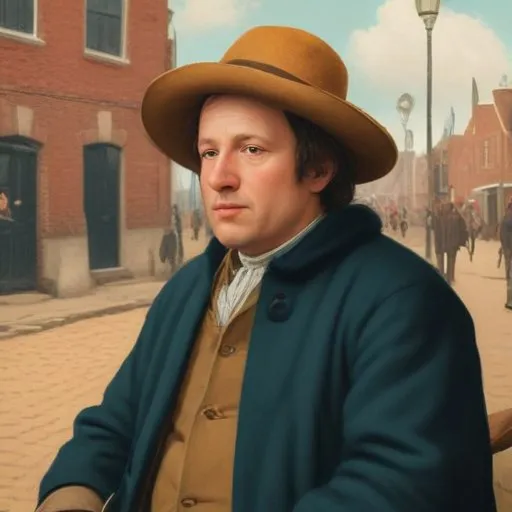
A 17th-century master of winter landscapes, capturing the serene beauty of frozen canals and villages, often featuring people with disabilities. His unique style and attention to detail have made his works highly prized.
Hendrick Avercamp was a renowned Dutch painter during the Dutch Golden Age of painting, celebrated for his captivating winter landscapes that showcased the Netherlands in a unique and fascinating light. His paintings are a testament to his exceptional skill, capturing the essence of 17th-century Dutch life, sports, and leisure activities, often featuring people ice skating on frozen lakes.
Born in Amsterdam on January 27, 1585, Avercamp studied under the tutelage of Danish-born portrait painter Pieter Isaacsz and possibly David Vinckboons, a follower of Pieter Brueghel the Elder. This solid foundation in art paved the way for Avercamp's future success.
In 1608, Avercamp relocated to Kampen in the province of Overijssel, a move that marked a significant turning point in his artistic career. It was during this period that he developed his distinctive style, specializing in winter landscapes that would earn him widespread recognition.
Avercamp's paintings are characterized by their vibrancy and detail, offering a unique glimpse into 17th-century Dutch life. His winter landscapes, featuring people engaging in a variety of sports and activities, are a testament to his innovative approach to art. His use of color and composition created a sense of warmth and energy, even in the coldest of winter scenes.
Avercamp was born mute and was likely deaf, a challenge that he overcame through his art. Known as "de Stomme van Kampen" (the mute of Kampen), Avercamp's condition did not hinder his ability to convey his vision and creativity through his work.
Avercamp's artwork enjoyed immense popularity during his lifetime, with many of his drawings and paintings being sold as finished pieces to be included in collectors' albums. Today, his work can be found in the Royal Collection, a testament to his enduring legacy. Avercamp's nephew, Barent Avercamp, was also a painter and followed in his uncle's footsteps, imitating his distinctive style.
Avercamp's innovative approach to landscape painting paved the way for future generations of Dutch artists. His unique style and attention to detail have inspired countless artists, cementing his position as a master of the Dutch Golden Age of painting.
In conclusion, Hendrick Avercamp's remarkable talent and innovative approach to art have left an indelible mark on the world of painting. His captivating winter landscapes continue to inspire and delight art lovers to this day, solidifying his position as a true master of the Dutch Golden Age.
Born in 1596
A Dutch master of landscapes, capturing the serene beauty of the Netherlands' countryside and skies in his works, often featuring soft, muted colors and delicate brushstrokes.
Born in 1629
A Dutch master of domestic scenes, capturing intimate moments of everyday life in 17th-century Holland with remarkable light and atmosphere. His works offer a glimpse into the lives of ordinary people during the Dutch Golden Age.
Born in 1632
A master of capturing intimate, serene domestic scenes, particularly of women, in exquisite detail and soft, luminous light. His works evoke a sense of quiet contemplation and everyday beauty.
Born in 1622
A Dutch master of light and shadow, known for his innovative use of chiaroscuro and his captivating, intimate portraits.
