


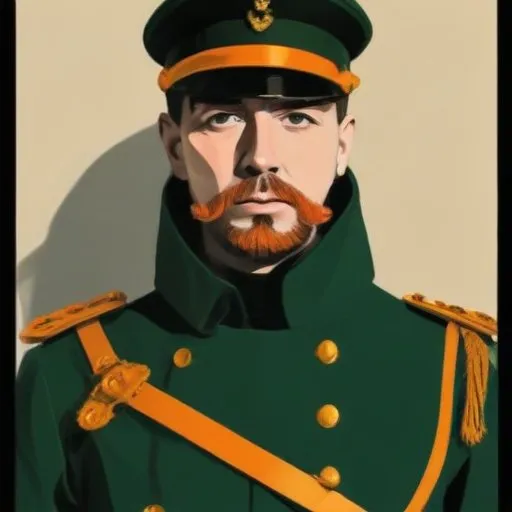
An Irish war hero who wrote plays that explored the human condition, particularly the effects of war on individuals and society.
Giles Cooper was a renowned Anglo-Irish playwright and radio dramatist, credited with writing over sixty scripts for BBC Radio and television. He is best known for his contributions to broadcasting, which earned him an OBE in 1960 for Services to Broadcasting.
Cooper was born on 9 August 1918, into a landed Anglo-Irish family at Carrickmines near Dublin. His father, Guy Edward Cooper, was a Royal Navy Commander, and his uncle, Bryan Ricco Cooper, was a politician and writer. Cooper's early education took him to the prep school Arnold House School in London, followed by Lancing College on the South Downs.
He later pursued language studies in Grenoble, France, and San Sebastian, Spain, where his life took a dramatic turn. During the Spanish Civil War, Cooper was shot through the arm by a sniper's bullet while on a mission to purchase cigarettes. The Royal Navy came to his rescue, providing medical attention and dropping him off across the French border at St Jean de Luz.
Cooper's father had envisioned a life of diplomacy for his son, but Giles had other plans. He enrolled as an actor at the Webber Douglas Academy of Dramatic Art in London, where he met fellow actor Michael Denison. However, his studies were interrupted by the Second World War. Cooper was conscripted into the ranks and later selected for training at the Royal Military College, Sandhurst, where he gained a commission.
He served as an infantry officer in the West Yorkshire Regiment, spending three grueling years in the jungles of Burma fighting the Japanese. This experience would later influence his writing, as he drew from his experiences to craft compelling stories.
After the war, Cooper turned to writing, and his prolific career as a radio dramatist took off. He wrote over sixty scripts for BBC Radio and television, earning him widespread recognition and acclaim. In 1960, he was awarded the OBE for Services to Broadcasting.
Tragically, Cooper's life was cut short when he died on 2 December 1966, at the age of 48. However, his legacy lived on. Twelve years after his death, the Giles Cooper Awards for Radio Drama were instituted in his honor, jointly by the BBC and the publishers Eyre Methuen.
Cooper's work continues to inspire generations of writers and artists. His experiences during the war and his subsequent success as a playwright are a testament to his resilience and dedication to his craft.
As a playwright, Cooper's work often explored themes of human struggle, hope, and redemption. His stories touched the hearts of millions, and his legacy continues to inspire new talent in the world of radio drama and beyond.
Giles Cooper's remarkable life and work serve as a reminder of the power of storytelling and the importance of preserving our cultural heritage. His contributions to radio drama continue to inspire and delight audiences to this day.
Born in 1906
A pioneering absurdist writer who crafted avant-garde novels, poems, and plays that probed the human condition, often with dark humor and existential themes. His works are renowned for their complexity and influence on modern literature.
95 Years Old
A renowned playwright, screenwriter, and director, known for his unique style of absurdity and dark humor, exploring themes of power, politics, and human relationships.
64 Years Old
Soulful voice and poignant songwriting skills have captivated audiences with hits like "One of Us," exploring themes of spirituality and social commentary.
Born in 1923
A charismatic Irish writer and activist who penned provocative plays and poetry that captured the spirit of Irish rebellion, leaving a lasting impact on modern literature.
Born in 1880
Irish playwright and memoirist known for his powerful, realistic portrayals of Dublin's working-class life, particularly during the Irish War of Independence. His plays often blended humor and tragedy, offering a unique perspective on Irish identity.
Born in 1854
A witty and flamboyant literary mastermind, renowned for crafting clever, humorous, and poignant works that continue to delight audiences with their clever wordplay and societal commentary.
Born in 1856
A renowned Irish playwright and critic, known for his witty, thought-provoking plays that often challenged social norms and conventions. His works include Pygmalion and My Fair Lady.
Born in 1865
A renowned Irish wordsmith and dramatist, celebrated for his mystical and nationalistic verse that explores the human condition, as well as his contributions to the Irish Literary Revival.
