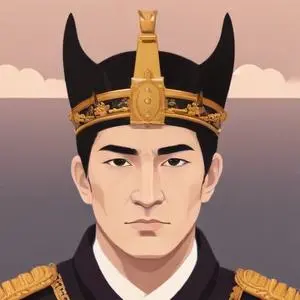
Emperor GoDaigo: The Illustrious Leader Who Shook the Foundations of Feudal Japan
A Visionary Emperor with an Unwavering Commitment to Imperial Power
Emperor GoDaigo, the 96th emperor of Japan, is renowned for his valiant efforts to overthrow the Kamakura shogunate and restore imperial power to the throne. In a era dominated by feudal warlords, GoDaigo's bold initiatives aimed to revive the Engi era, a golden age of direct imperial rule, marked by unparalleled cultural and economic prosperity.
A Life Driven by Ambition and Principle
Born on November 26, 1288, as Takaharushinn, GoDaigo was the second son of
Emperor Go-Uda. His mother, Fujiwara no Chshi Tadako, instilled in him a strong sense of justice and morality, which would later guide his decisions as emperor. Following the death of his older brother, Emperor Go-Nijo, GoDaigo ascended to the throne at the tender age of 20, with a vision to reform the imperial system and reclaim its lost glory.
The Kenmu Restoration: A Beacon of Hope
In 1333, GoDaigo launched the Kenmu Restoration, a daring attempt to dismantle the Kamakura shogunate and reassert imperial authority. For the first time in centuries, the emperor wielded real power, and the imperial court was revitalized. This audacious move sparked a brief period of cultural and artistic renaissance, as the emperor encouraged the development of literature, poetry, and art.
A Turbulent Reign and the Birth of the Southern Court
However, GoDaigo's triumph was short-lived, as
Ashikaga Takauji, a skilled military leader, seized power in 1336 and established the Ashikaga shogunate. The imperial family was subsequently divided into two rival factions: the Northern Court, supported by the Ashikaga, and the Southern Court, led by GoDaigo and his successors from Yoshino. This bitter struggle continued for centuries, casting a long shadow over Japanese politics and society.
A Lasting Legacy
Despite the setbacks, GoDaigo's unwavering commitment to imperial power and his vision for a revitalized Japan left an indelible mark on the nation's history. His posthumous name, GoDaigo, meaning "Later Emperor Daigo," was chosen during his lifetime, underscoring his admiration for the 9th-century Emperor Daigo, who ruled during the Engi era. This symbolic gesture highlights GoDaigo's deep respect for Japan's imperial heritage and his unrelenting pursuit of its restoration.
Inspirations and Influences
- The Engi era (901-923), a period of direct imperial rule, inspired GoDaigo's vision for a revitalized Japan.
- Emperor Daigo, who ruled during the Engi era, was a significant influence on GoDaigo's policies and ideals.
Awards and Honors
- Posthumous name: GoDaigo, meaning "Later Emperor Daigo"
Personal Milestones and Key Life Events
- Born on November 26, 1288, as Takaharushinn
- Ascended to the throne in 1308 following the death of Emperor Go-Nijo
- Launched the Kenmu Restoration in 1333
- Overthrown by Ashikaga Takauji in 1336
- Died on September 19, 1339
Historical Context and Legacy
GoDaigo's reign marked a pivotal moment in Japanese history, as the imperial court briefly reclaimed its lost authority. Although his vision for a restored Japan was ultimately unsuccessful, his courage and conviction continue to inspire generations, serving as a testament to the enduring power of imperial ideals.