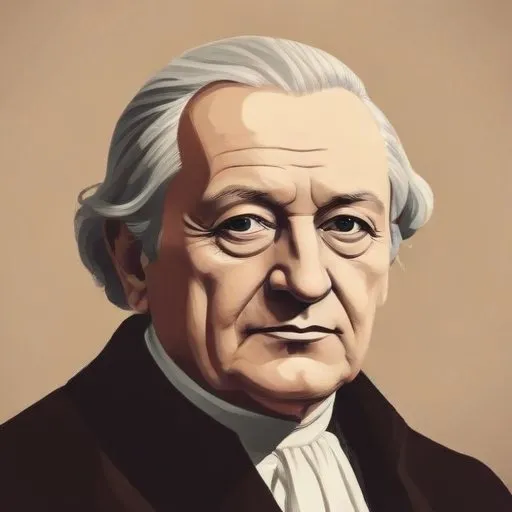
Gotthold Ephraim Lessing: The Pioneering Dramatist and Philosopher of the Enlightenment Era
Early Life and Education
Gotthold Ephraim Lessing, a luminary of the Enlightenment era, was born on January 22, 1729, in Kamenz, Saxony, to Johann Gottfried Lessing, a Lutheran minister, and Justine Salome Feller. This esteemed German philosopher, dramatist, publicist, and art critic would go on to substantially influence the development of German literature, earning him the distinction of being widely considered the first dramaturg in his role at Abel Seylers Hamburg National Theatre.
Philosophical Contributions and Beliefs
Lessing's philosophical contributions were deeply rooted in the Enlightenment values of reason, tolerance, and humanism. He advocated for the importance of education, critical thinking, and individual freedom. His philosophical beliefs were shaped by the works of prominent thinkers such as Voltaire, Rousseau, and Kant. Lessing's philosophical writings, particularly his treatise "Laocoön," demonstrated a keen understanding of aesthetics, morals, and the human condition.
Career Highlights and Major Works
Lessing's literary career was marked by a series of groundbreaking works that showcased his mastery of drama, philosophy, and criticism. Some of his notable works include:
- "The Young Scholar" (1748), his first play, which was produced by Karoline Neuber, a famous German actress
- "Miss Sara Sampson" (1755), a tragedy that critiqued the social norms of his time
- "Emilia Galotti" (1772), a play that explored the themes of freedom, morality, and social inequality
- "Nathan the Wise" (1779), a philosophical drama that promoted tolerance, understanding, and humanism
Influence on Modern Society
Lessing's impact on modern society is multifaceted. His plays and philosophical writings contributed to the development of German literature, shaping the literary landscape of the 18th century. His advocacy for humanism, tolerance, and critical thinking continues to resonate with contemporary audiences. Moreover, his pioneering work in the field of dramaturgy paved the way for future generations of theatre practitioners.
Personal Milestones and Key Life Events
Lessing's personal life was marked by significant relationships and milestones. His connection with Karoline Neuber, a renowned German actress, had a profound impact on his early career. He also formed a close bond with his cousin, Christlob Mylius, with whom he collaborated on various literary projects. Lessing's tenure as secretary to General Tauentzien during the Seven Years War (1756-1763) broadened his perspective and influenced his later writings.
Historical Context and Legacy
Lessing's life and work are deeply embedded in the cultural and intellectual landscape of the Enlightenment era. His philosophical and literary contributions reflect the era's emphasis on reason, tolerance, and humanism. As a pioneering dramaturg, Lessing's work continues to influence contemporary theatre practices. His legacy serves as a testament to the power of art and philosophy to shape society and promote human understanding.
Comparative Analysis with Contemporaries
Lessing's work is often compared to that of his contemporaries, including
Denis Diderot,
Jean-Jacques Rousseau, and
Immanuel Kant. While sharing similar philosophical concerns, Lessing's unique blend of drama, philosophy, and criticism set him apart from his peers. His emphasis on humanism, tolerance, and individual freedom distinguished him as a leading thinker of the Enlightenment era.
Personal Relationships and Anecdotes
Lessing's relationships with prominent figures of his time, including Karoline Neuber and Christlob Mylius, had a profound impact on his personal and professional life. His anecdotal accounts of these relationships offer valuable insights into the cultural and intellectual landscape of the 18th century.
Impact on Pop Culture
Lessing's influence on popular culture is subtle yet pervasive. His emphasis on humanism, tolerance, and individual freedom continues to inspire artistic and literary works. His legacy can be seen in the many adaptations and reinterpretations of his plays, which remain relevant and thought-provoking to this day.
Awards and Honors
Lessing's contributions to literature and philosophy were widely recognized during his lifetime. He received honorary degrees from the University of Wittenberg and was elected a member of the Prussian Academy of Sciences.
Trivia and Fun Facts
Lessing's love of theatre was instilled in him from a young age. As a child, he would put on impromptu performances for his family, using a toy theatre made of cardboard boxes. This early passion for drama would eventually shape his destiny as a pioneering dramaturg and philosopher.
Quotes and Memorable Sayings
"It is not the truth that is holy, but the effort to discover it." - Gotthold Ephraim Lessing
This quote, often attributed to Lessing, encapsulates his philosophical stance on the importance of critical thinking, inquiry, and the pursuit of knowledge.
FAQ
What were the major contributions of Gotthold Ephraim Lessing to German literature?
Gotthold Ephraim Lessing made significant contributions to German literature by introducing Enlightenment ideals and promoting tolerance and reason. His plays and philosophical writings advocated for humanism and intellectual freedom, shaping the course of German Enlightenment thought.
What is the significance of Lessings play Nathan the Wise?
Lessings play Nathan the Wise is a seminal work of German literature that explores themes of religious tolerance, rationality, and humanism. It is considered a masterpiece of 18th-century German drama, offering a powerful plea for understanding and coexistence among different faiths.
How did Lessing influence the development of German drama?
Lessings dramatic works, such as Miss Sara Sampson and Emilia Galotti, played a crucial role in shaping German drama. He introduced the concept of bourgeois tragedy, focusing on the everyday lives of middle-class people, and paved the way for subsequent playwrights like Friedrich Schiller and Johann Wolfgang von Goethe.
What was Lessings role in the Pantheon of German literature?
Gotthold Ephraim Lessing was a towering figure in German literature, occupying a unique position in the pantheon of German writers. He bridged the gap between the Enlightenment and Romanticism, influencing a range of literary figures, including Goethe, Schiller, and Friedrich Hölderlin.
What is the legacy of Lessings philosophical ideas?
Lessings philosophical ideas, particularly his concept of Aufklärung or Enlightenment, had a profound impact on German intellectual history. His emphasis on reason, tolerance, and humanism continues to inspire thinkers and writers to this day, making him a vital part of the German cultural heritage.