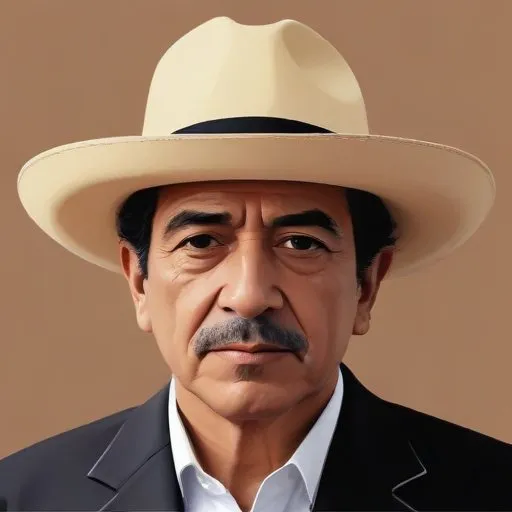
Gregorio López Fuentes: The Chronicler of the Mexican Revolution
A Literary Voice for the Voiceless
Gregorio López Fuentes is renowned for his poignant and powerful works that captured the essence of the Mexican Revolution. His most celebrated novel,
A Letter to God, is a testament to his literary prowess and his ability to convey the struggles and triumphs of the common man.
A Life of Observations and Insights
Born on November 17, 1897, in Veracruz, Mexico, López Fuentes grew up in his father's general store, where he was exposed to the daily lives of the region's indigenous people, farmers, and laborers. These early observations laid the foundation for his future writing career, as he would later draw upon these experiences to craft vivid and nuanced portraits of the Mexican people.
Early Literary Endeavors
López Fuentes' early attempts at poetry and novels were met with disappointment. However, he persevered, and it wasn't until he began to write about the Mexican Revolution that he found his true voice. His first successful novel,
Campamento (1931), was followed by a string of works that explored various aspects of the Revolution, including
Tierra (1932) and
Mi general (1934).
A Realist's Quest for Social Justice
López Fuentes' writing style was characterized by his realism and his commitment to social justice. His works often highlighted the struggles and injustices faced by the indigenous people and the peasantry of Mexico. While some critics have argued that his portrayals were often romanticized or simplistic, López Fuentes' dedication to shedding light on the plight of the marginalized remains unparalleled.
Teaching and Writing: A Double Life
In addition to his writing career, López Fuentes worked as a teacher at a school in Mexico City. This dual role allowed him to fulfill his passion for education and literature, while also providing him with a platform to inspire future generations.
Pseudonym and Success
In 1921, López Fuentes began writing under the pseudonym G.L. Fuentes. This decision proved to be a turning point in his career, as his stories gained popularity and were hailed for their humor and excitement. His works were widely read and discussed, solidifying his position as one of the leading literary voices of his time.
Awards and Accolades
López Fuentes' contributions to Mexican literature were recognized with the National Prize of Arts and Sciences in 1935. This prestigious award honored his commitment to capturing the essence of the Mexican Revolution and his dedication to promoting social justice through his writing.
Legacy and Impact
Gregorio López Fuentes' literary legacy is multifaceted. He is remembered for his vivid portrayals of rural Mexico and his unwavering commitment to social justice. His works continue to inspire and educate readers, providing a window into the complexities of the Mexican Revolution and its impact on the country's indigenous people and peasantry.
- Notable Works: A Letter to God, Campamento, Tierra, Mi general, and El indio
- Contemporaries: Mariano Azuela and Martín Luis Guzmán
- Awards: National Prize of Arts and Sciences (1935)
In conclusion, Gregorio López Fuentes' life and works serve as a testament to the power of literature to inspire, educate, and transform. His commitment to social justice and his dedication to capturing the essence of the Mexican Revolution have cemented his place as one of Mexico's most celebrated writers.
FAQ
What was Gregorio Lópezs literary focus?
Gregorio López was a prominent Mexican journalist, author, and poet who focused on themes of politics, history, and social issues. His writings often addressed the complexities of Mexican society and culture.
What was Gregorio Lópezs role in Mexican journalism?
Gregorio López was a respected journalist who worked for various Mexican newspapers and magazines. He was known for his in-depth reporting and commentary on current events, politics, and social issues.
Did Gregorio López win any literary awards?
Yes, Gregorio López received several awards for his literary contributions, including the prestigious Premio Nacional de Periodismo (National Journalism Award) in Mexico.
What was Gregorio Lópezs poetry style?
Gregorio Lópezs poetry was characterized by its lyricism, depth, and social commentary. His poems often explored themes of love, nature, and the human condition, reflecting his commitment to social justice and reform.
How did Gregorio López influence Mexican literature?
Gregorio Lópezs contributions to Mexican literature are significant, as he helped shape the countrys literary landscape through his writings on politics, history, and culture. His work continues to inspire future generations of Mexican writers and intellectuals.