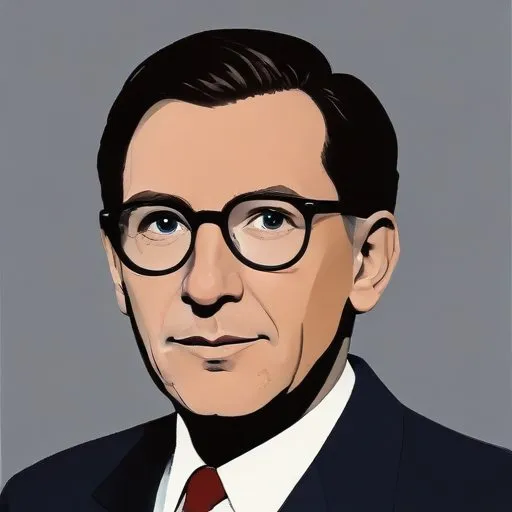
Hal Borland: A Pioneering American Writer and Naturalist
A Legacy in Outdoor Writing
Hal Borland, born Harold Glen Borland on May 14, 1900, was a renowned American writer, journalist, and naturalist, celebrated for his poignant and evocative portrayals of the great outdoors. Through his prolific writings, Borland inspired generations to appreciate and preserve the natural world, earning him a revered position among the pantheon of American nature writers.
Early Life and Inspirations
Born on the Nebraska plains, Borland's early life was marked by the rugged beauty of the American frontier. When he was just 10, his family relocated to a homestead in Colorado, where his father staked a claim on the prairie. This experience would later be immortalized in Borland's book,
High, Wide, and Lonesome. After proving out on the homestead claim, his father sold the land and purchased a weekly newspaper in Flagler, Colorado, where Borland completed his school years.
A Calling to Write
During his time at the University of Colorado, Borland worked at the
Denver Post and the
Flagler News, solidifying his passion for writing. He later moved to New York City, where he studied journalism at Columbia University, graduating with a Bachelor of Arts degree in literature in 1923. A near-fatal bout of appendicitis led Borland to relocate to Salisbury, Connecticut, with his wife, Barbara Dodge Borland, where he began to focus on his literary pursuits.
A Career in Journalism and Outdoor Writing
Borland's writing career spanned multiple publications, including
The Denver Post,
The Brooklyn Times,
United Press, and
King Features Service. He worked for various newspapers across the United States before settling in Philadelphia, where he wrote for
Curtis Newspapers,
Philadelphia Morning Sun, and
Philadelphia Morning Ledger. Borland's journalistic experience laid the foundation for his later success as a nature writer.
Major Works and Contributions
Borland's literary output includes:
- This Hill, This Valley, a classic in American nature writing, chronicling his first year in Salisbury, Connecticut.
- High, Wide, and Lonesome, a poignant account of his childhood on the Colorado prairie.
- Country Editor's Boy, a semi-autobiographical novel based on his experiences growing up in a small town.
Philosophical Contributions and Beliefs
Borland's writing reflects a deep appreciation for the natural world and a strong environmental ethos. He believed that by exploring and writing about the outdoors, humans could develop a deeper understanding of their place within the natural world. Through his work, Borland encouraged readers to cultivate a sense of wonder, respect, and stewardship towards the land.
Awards and Honors
Borland's contributions to American nature writing were recognized with several awards, including:
- The John Burroughs Medal for nature writing (1955)
- The New York Herald Tribune's Spring Book Festival Award (1956)
Legacy and Impact
Hal Borland's writing has inspired generations of nature writers, conservationists, and outdoor enthusiasts. His work continues to foster a greater appreciation for the natural world, encouraging readers to explore, protect, and preserve the land for future generations. As a pioneering American writer and naturalist, Borland's legacy remains an eloquent testament to the power of storytelling and the importance of environmental stewardship.
FAQ
What was Hal Borlands career as a journalist like?
Hal Borland was an American journalist and author who worked as a reporter and editor for several newspapers, including the Denver Post and the New York Herald Tribune. He covered major events like the Dust Bowl and the Great Depression.
What kind of writing did Hal Borland do?
In addition to his journalism, Borland was a prolific writer of fiction and nonfiction books. He wrote novels, short stories, and essays on topics like nature, conservation, and rural life.
What awards did Hal Borland win?
Hal Borland won several awards for his writing, including the New York Herald Tribunes Page One Award and the Friends of American Writers Award.
What was Hal Borlands connection to the American West?
Borland grew up on a ranch in Nebraska and later lived in Colorado. His experiences in the American West deeply influenced his writing, which often explored themes of rural life, nature, and the human relationship with the land.
What is Hal Borlands legacy as a writer?
Hal Borlands writing is remembered for its lyrical prose, nuanced characterization, and deep connection to the natural world. He is celebrated as a master of American literature, particularly in the genres of nature writing and rural fiction.