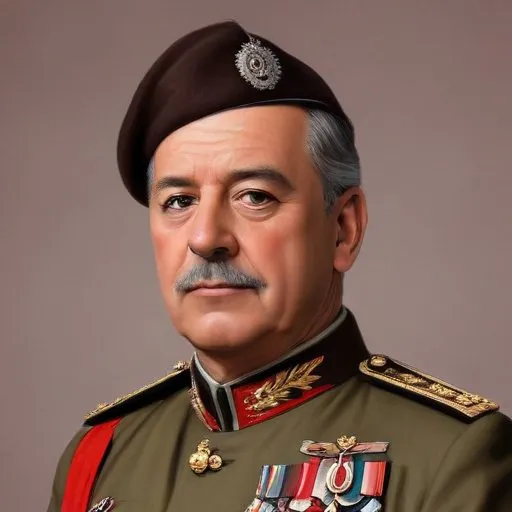
Harold Alexander, 1st Earl Alexander of Tunis: A Distinguished British Army Officer and Statesman
A Legacy of Bravery and Leadership
Harold Alexander, 1st Earl Alexander of Tunis, is renowned for his exceptional military prowess and distinguished service as a senior British Army officer in both World War I and World War II. He is best known for his key roles in the Allied victories in North Africa and Italy, earning him the reputation as one of the most skilled and respected military commanders of his time.
Early Life and Education
Born on December 10, 1891, in London, England, Alexander was educated at Harrow School and later attended the Royal Military College, Sandhurst, where he trained as an officer in the Irish Guards.
Military Career
Alexander's military career spanned over three decades, during which he served in various British campaigns across Europe and Asia. He rose to prominence during World War I, where he was wounded and awarded the Military Cross for his bravery. In the interwar period, he continued to serve in various capacities, including as a staff officer and commander of the Nowshera Brigade in India.
World War II
Alexander's most notable contributions were during World War II, where he played a crucial role in several Allied victories. Initially in command of a division, he oversaw the final stages of the Allied evacuation from Dunkirk. He later held field commands in Britain, Burma, North Africa, and Italy, including serving as Commander-in-Chief Middle East and commanding the 18th Army Group in Tunisia. His leadership was instrumental in the Allied capture of Sicily and Italy, and he was promoted to Field Marshal in 1944.
Post-War Career
In 1946, Alexander was appointed as Governor General of Canada, a position he held until 1952. During his tenure, he proved to be highly popular with Canadians, and his enthusiasm for the country's wilderness earned him a special place in the nation's heart.
Late Life and Legacy
After retiring as Governor General, Alexander served as the British Minister of Defence in
Winston Churchill's Cabinet. He retired in 1954 and passed away on June 16, 1969. Alexander's legacy is marked by his unwavering dedication to duty, his exceptional leadership skills, and his significant contributions to the Allied victories in World War II.
Awards and Honors
- Knight of the Garter (KG)
- Order of the Bath (GCB)
- Order of Merit (OM)
- Military Cross (MC)
- Mentioned in Despatches (eight times)
Personal Life
Alexander was married to Margaret Bingham in 1934, and they had three sons together. He was known for his charming personality, his love of photography, and his enthusiasm for the outdoors.
Historical Context and Legacy
Alexander's military career and statesmanship were marked by his unwavering commitment to duty, his exceptional leadership skills, and his significant contributions to the Allied victories in World War II. His legacy serves as a testament to the importance of strong leadership and the value of dedication to one's country.
FAQ
What was Harold Alexanders military career?
Harold Alexander was a renowned English field marshal and politician who served as the 17th Governor General of Canada from 1946 to 1952. He had a distinguished military career, serving in both World War I and World War II.
What was Harold Alexanders role in World War II?
Harold Alexander played a key role in World War II, serving as the Commander-in-Chief of British forces in North Africa and Italy. He was a key strategist in the Allied victory in North Africa and later played a key role in the Italian Campaign.
What was Harold Alexanders role in the Allied victory in North Africa?
Harold Alexander played a crucial role in the Allied victory in North Africa, working closely with General Dwight D. Eisenhower to plan and execute the Allied invasion of Tunisia.
What were Harold Alexanders views on military strategy?
Harold Alexander was a strong advocate for a combined arms approach to military strategy, believing that air power, armor, and infantry should be used in conjunction to achieve military objectives.
What is Harold Alexanders legacy in modern military history?
Harold Alexanders legacy in modern military history is that of a highly respected military strategist and leader who played a key role in the Allied victory in World War II. His views on military strategy continue to be studied and respected by military historians and strategists today.