


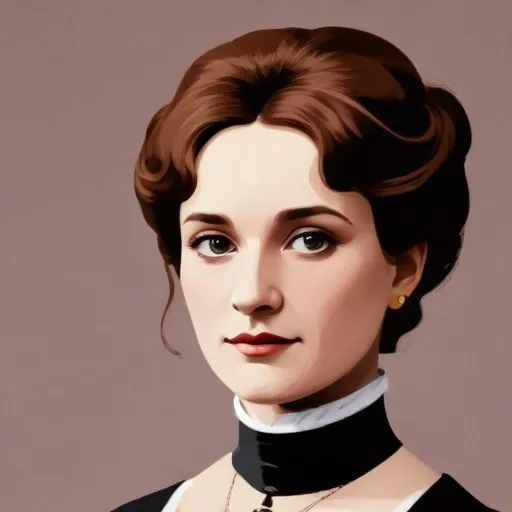
The Irish actress and muse who inspired the French Romantic composer's most famous works, including the Symphonie Fantastique. She was a talented performer and a source of creative inspiration.
Harriet Smithson, the renowned Anglo-Irish actress, was the ultimate muse and inspiration behind Hector Berlioz's iconic works. She was a talented Shakespearean actress who captivated audiences with her versatility and range, leaving an indelible mark on the theatrical world of the 19th century.
On March 18, 1800, Harriet Smithson was born in Ennis, County Clare, Ireland, to William Joseph Smithson, an actor and theatrical manager, and an actress mother whose name remains unknown. Her brother, Joseph Smithson, and sister, whose name is also unknown, completed the Smithson family.
Tragedy struck in October 1801 when Harriet was left in the care of Reverend James Barrett, a priest of the Church of Ireland, after her parents' departure. Barrett became her guardian and raised her as his own, keeping her shielded from the world of theatre and instilling in her a strong sense of religiosity.
After Barrett's passing in 1808, Harriet was sent to a boarding school in Waterford. It was here that she discovered her passion for acting, which eventually led her to make her stage debut on May 27, 1814, at the Theatre Royal Dublin.
Her performance as Albina Mandevill in Frederick Reynolds' The Will earned her a glowing review in the Freeman's Journal, which praised her as "a most interesting and promising young actress." This marked the beginning of her meteoric rise to fame.
In 1815, Harriet joined Montague Talbot's company in Belfast, replacing her parents, who had returned to Dublin. Her versatility shone as she took on diverse roles in multiple comedies during the 1816 season.
Smithson's success soon propelled her to Newry, Limerick, Dublin, and Birmingham, where she became a prized asset to Robert Elliston's company. Over the next two months, she effortlessly portrayed over 40 roles, showcasing her incredible range and talent.
In 1818, Harriet made her London debut, taking the city by storm with her remarkable performances. Her rise to international stardom was swift, with critics and audiences alike praising her nuanced interpretations of complex characters.
It was during this time that she caught the attention of Hector Berlioz, the famous French composer, who would later immortalize her as his muse and wife.
Harriet Smithson's remarkable career, though cut short by her untimely death on March 3, 1854, left an indelible mark on the world of theatre and music. Her legacy continues to inspire generations of actors, musicians, and artists, ensuring her place as one of the most beloved and revered figures of the 19th century.
Today, Harriet Smithson's story serves as a testament to the transformative power of art, love, and determination, reminding us that our passions and talents can leave a lasting impact on the world.
Born in 1803
A French Romantic-era mastermind who composed iconic symphonies, operas, and orchestral works, revolutionizing classical music with his bold, expressive style.
Born in 1811
A virtuosic pianist and composer who revolutionized classical music with his technically demanding and emotionally expressive works, blending Hungarian folk influences with Romantic-era drama.
Born in 1782
A virtuosic violinist and composer who revolutionized the instrument's technical possibilities, leaving an indelible mark on classical music.
Born in 1809
A renowned 19th-century musician who masterfully blended classical and romantic styles, creating iconic works like the "Wedding March" and "Elijah" oratorio. His compositions continue to inspire and influence generations of artists.
Born in 1810
A renowned Romantic-era composer and influential music critic, known for his expressive and emotionally charged works, including symphonies, piano music, and art songs.
Born in 1819
A renowned 19th-century pianist and composer, she was one of the first females to achieve recognition in a male-dominated field, creating over 60 pieces of music. Her compositions showcased romanticism and lyricism.
Born in 1813
A renowned composer of iconic operas like La Traviata and Aida, known for his masterful blending of drama and music. His works continue to captivate audiences worldwide.
Born in 1813
A revolutionary composer who transformed opera with his epic, mythological works, creating a new era of musical storytelling. His iconic operas, such as "Der Ring des Nibelungen," continue to captivate audiences worldwide.
