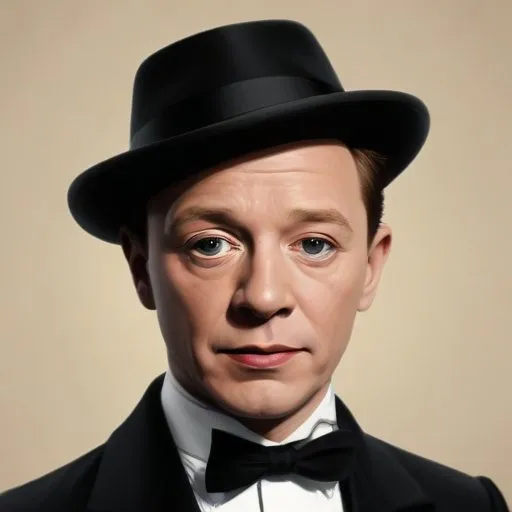
Harry Langdon: The Silent Film Era's Unsung Hero
Known for His Unique Screen Character and Pantomimic Genius
Harry Langdon is widely regarded as one of the four best comics of the silent film era, alongside
Charlie Chaplin,
Harold Lloyd, and
Buster Keaton. His on-screen persona, a wide-eyed, childlike man with an innocent understanding of the world, captivated audiences and set him apart from his contemporaries.
Early Life and Career
Born on June 15, 1884, in Council Bluffs, Iowa, Langdon began his career in medicine shows and stock companies as a teenager. In 1906, he entered vaudeville with his first wife, Rose Langdon, and developed a sketch called "Johnnys New Car," which he would later adapt and refine in his film career.
Rise to Fame
Langdon's big break came in 1923 when he joined Principal Pictures Corporation, headed by producer Sol Lesser. He eventually moved to The
Mack Sennett Studios, where he became a major star. His unique screen character, combined with his exceptional pantomimic skills, earned him a loyal following and critical acclaim.
Major Films and Collaborations
Some of Langdon's most notable films include
The Strong Man (1926),
Tramp, Tramp, Tramp (1926), and
Long Pants (1927). These films, directed by Arthur Ripley and
Frank Capra, showcased Langdon's talent and rivals the work of his contemporaries. Langdon also acted as producer on these features, which were made for his own company, The Harry Langdon Corporation, and released by First National.
Decline and Legacy
After his initial success, Langdon fired Frank Capra and directed his own films, including
Threes a Crowd,
The Chaser, and
Heart Trouble. However, these films were more personal and idiosyncratic, and audiences of the period were not interested. Langdon's appeal eventually faded, and he spent the latter part of his career trying to regain his former glory.
Philosophical Contributions and Beliefs
Langdon's unique screen character and pantomimic style were deeply rooted in his philosophical views on human nature. He believed that people were inherently good and innocent, and this innocence was reflected in his on-screen persona.
Influence on Modern Society
Langdon's influence can be seen in many modern comedians, including
Jim Carrey and
Rowan Atkinson. His unique blend of physical comedy and innocent charm has inspired generations of comedians and filmmakers.
Personal Milestones and Key Life Events
- June 15, 1884: Born in Council Bluffs, Iowa
- 1906: Entered vaudeville with his first wife, Rose Langdon
- 1923: Joined Principal Pictures Corporation
- 1926: Released The Strong Man and Tramp, Tramp, Tramp
- 1944: Passed away on December 22nd at the age of 60
Quotes and Memorable Sayings
"I'm not a funny man, I'm a character actor who does funny things."
Historical Context and Legacy
Harry Langdon's legacy is a testament to the power of innovation and creativity in the early days of cinema. His unique screen character and pantomimic genius continue to inspire and influence comedians and filmmakers to this day.
FAQ
What was Harry Langdons silent film career like?
Harry Langdon was a popular silent film star, known for his innocent, wide-eyed persona and pantomime skills, starring in films such as The Strong Man and Long Pants.
How did Harry Langdons career change with the advent of talkies?
Harry Langdons career declined with the advent of talkies, as his voice and speaking style were not well-suited to the new technology.
What were some of Harry Langdons most notable film roles?
Harry Langdons most notable film roles include The Strong Man, Tramp, Tramp, Tramp, and Long Pants, showcasing his unique comedic style.
Who were Harry Langdons comedic influences?
Harry Langdons comedic influences included Charlie Chaplin, Buster Keaton, and Harold Lloyd, whom he often rivaled in popularity during the silent era.
What is Harry Langdons legacy in comedy?
Harry Langdons legacy in comedy is that of a pioneering silent film star, whose unique style and persona continue to influence comedians and filmmakers today.