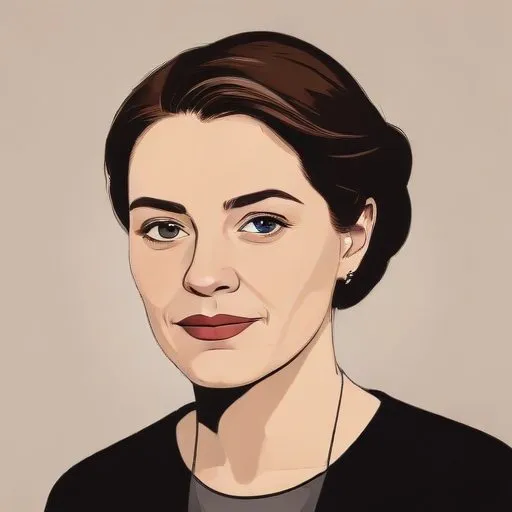
Henriette Roosenburg: The Fearless Dutch Resistance Fighter and Journalist
A Life of Defiance and Courage
Henriette Roosenburg, known to her friends and family as "Jet," was a Dutch partisan, journalist, and political prisoner whose bravery and determination inspired a generation. Through her memoir, "The Walls Came Tumbling Down," she shared her harrowing experiences as a courier in the Dutch resistance during World War II, earning her a place in history as a symbol of defiance against oppression.
Early Life and Education
Born on May 26, 1916, in The Hague, Netherlands, Henriette came from an upper-class family. She pursued higher education at the University of Leiden, where she was studying when World War II broke out.
The Dutch Resistance and War Years
In 1941, Henriette joined the Dutch resistance, using her fluency in French to aid Jewish people fleeing or going into hiding. She soon became involved in collecting information for the influential Dutch resistance newspaper, Het Parool. Her code name, "Zip," became synonymous with bravery and cunning as she worked underground, risking her life to undermine the Nazi occupation.
Captured and Sentenced to Death
In 1944, Henriette was caught by the Gestapo and sentenced to death. She was imprisoned in the Waldheim prison in Germany, where she became a "Night and Fog" prisoner, a classification reserved for those deemed a threat to the Nazi regime.
Post-War and Literary Career
After the war, Henriette returned to the Netherlands, where she wrote her memoir, "The Walls Came Tumbling Down." The book is a testament to her unwavering spirit and provides a unique insight into the experiences of women in the Dutch resistance.
Influence and Legacy
Henriette's story has inspired generations, serving as a powerful reminder of the importance of standing up against injustice and oppression. Her legacy extends beyond her literary work, as she paved the way for future generations of women to take an active role in shaping their own destinies.
Career Highlights and Major Works
- Member of the Dutch resistance during World War II
- Code name "Zip"
- Writer for Het Parool, a prominent Dutch resistance newspaper
- Author of "The Walls Came Tumbling Down," a memoir of her experiences during World War II
Personal Milestones and Key Life Events
- May 26, 1916: Born in The Hague, Netherlands
- 1941: Joined the Dutch resistance
- 1944: Caught by the Gestapo and sentenced to death
- 1945: Released from prison and returned to the Netherlands
- 1972: Passed away, leaving behind a legacy of courage and defiance
A Lasting Impact
Henriette Roosenburg's life serves as a testament to the power of human resilience and determination. Her bravery in the face of overwhelming odds has inspired countless individuals, and her legacy continues to motivate people to stand up against injustice and fight for what is right.
FAQ
What was Henriette Roosenburgs early life like?
Henriette Roosenburg was born in the Netherlands and grew up in a family of modest means. She developed a passion for writing and journalism from an early age and went on to pursue a career in these fields.
What kind of journalism did Henriette Roosenburg practice?
Henriette Roosenburg was a prominent journalist and author who wrote extensively on social and political issues. Her work often focused on the lives of ordinary people and the impact of larger social and economic trends on their lives.
What is Henriette Roosenburgs most famous book?
Henriette Roosenburgs most famous book is The Walls Came Tumbling Down, which tells the story of her experiences as a Dutch Jew during the Nazi occupation of the Netherlands.
How did Henriette Roosenburgs experiences during World War II influence her writing?
Henriette Roosenburgs experiences during World War II had a profound impact on her writing. Her works often reflected on the human cost of war and the importance of empathy, compassion, and understanding.
What is Henriette Roosenburgs legacy in Dutch literature?
Henriette Roosenburgs legacy in Dutch literature is significant. She is remembered as a pioneering journalist and author who shed light on the experiences of ordinary people during times of war and social change.