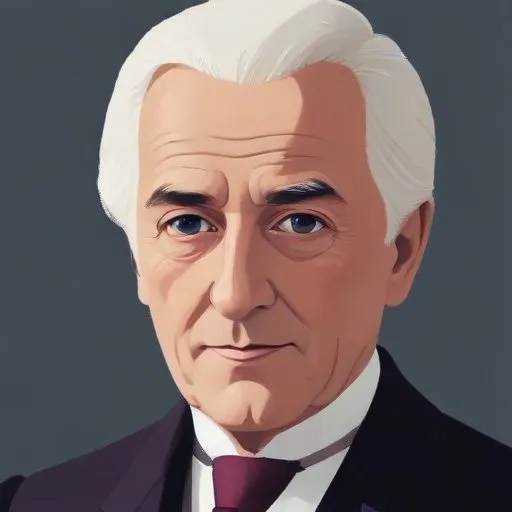
Henry Addington, 1st Viscount Sidmouth: The Unwavering Statesman
A Life of Dedication to Public Service
Henry Addington, 1st Viscount Sidmouth, is best known for his unwavering commitment to public service, serving as Prime Minister of the United Kingdom from 1801 to 1804, and later as Home Secretary from 1812 to 1821. Throughout his illustrious career, he demonstrated an unshakeable dedication to the welfare of the British people, earning him a reputation as a steadfast and principled statesman.
Early Life and Education
Born on May 30, 1757, in Holborn, London, Henry Addington was the eldest son of Anthony Addington, a physician, and Mary Addington. He received his education at Cheam School, Berkshire, and later at Winchester College. Addington's early life was marked by a strong inclination towards politics, which would eventually become the hallmark of his distinguished career.
Rise to Prominence
Addington's entry into politics began in 1784, when he was elected as Member of Parliament for Devizes. His ability to navigate the complexities of parliamentary politics with ease soon earned him recognition, and in 1789, he became Speaker of the House of Commons. This appointment marked the beginning of his meteoric rise to prominence, culminating in his appointment as Prime Minister in 1801.
Prime Ministerial Tenure
As Prime Minister, Addington oversaw a period of significant domestic and international upheaval. He successfully navigated the Treaty of Amiens, which brought a brief period of peace between Britain and France. Additionally, he implemented several notable reforms, including the abolition of the income tax and the establishment of a sinking fund to reduce the national debt. Despite facing opposition from the likes of
William Pitt the Younger, Addington remained resolute in his commitment to the nation's welfare.
Later Life and Legacy
Addington's later life was marked by a return to public service, serving as Home Secretary from 1812 to 1821. During this period, he oversaw the creation of the Home Office, which was instrumental in shaping Britain's approach to law and order. He also played a key role in suppressing the Luddite riots, demonstrating his unwavering commitment to maintaining social order.
Personal Life and Milestones
Addington married Ursula Mary Hammond in 1781, with whom he had eight children. He was known for his strong sense of family values and was deeply devoted to his wife and children. In 1805, he was elevated to the peerage as Viscount Sidmouth, a title he held until his death on February 15, 1844.
Philosophical Contributions and Beliefs
Addington's philosophical approach to politics was rooted in a deep sense of patriotism and a commitment to preserving the integrity of the British nation. He believed that the role of government was to protect the welfare of its citizens, and he consistently demonstrated a willingness to make difficult decisions to ensure the nation's prosperity.
Influence on Modern Society
Addington's legacy continues to shape British politics to this day. His commitment to public service, his ability to navigate complex political landscapes, and his willingness to make difficult decisions have inspired generations of politicians. His contribution to the development of the Home Office has had a lasting impact on Britain's approach to law and order.
Historical Context and Legacy
Henry Addington, 1st Viscount Sidmouth, was a man of unwavering principle, dedicated to the welfare of the British people. His commitment to public service, his strong sense of family values, and his philosophical approach to politics have left an indelible mark on British history. As a statesman, he demonstrated a unique ability to navigate the complexities of politics, earning him a reputation as one of the most respected figures of his time.
FAQ
What was Henry Addingtons role in British politics?
Henry Addington, 1st Viscount Sidmouth, served as the Prime Minister of the United Kingdom from 1801 to 1804. He was a strong advocate for British stability and played a crucial role in shaping British politics during the Napoleonic Wars.
What were Henry Addingtons achievements as Prime Minister?
As Prime Minister, Henry Addington achieved several significant milestones, including negotiating the Treaty of Amiens, which temporarily ended hostilities with France. He also oversaw significant reforms to the British tax system and played a key role in shaping British foreign policy.
How did Henry Addington become Prime Minister?
Henry Addington became Prime Minister in 1801, following the resignation of William Pitt the Younger. He was chosen for his strong leadership skills and his ability to maintain British stability during a period of significant turmoil.
What were Henry Addingtons views on Napoleon Bonaparte?
As Prime Minister, Henry Addington was strongly opposed to Napoleon Bonaparte and his expansionist policies. He believed that Britain needed to maintain a strong military presence to counterbalance French power and advocated for a policy of containment.
What is Henry Addingtons legacy in British politics?
Henry Addingtons legacy in British politics is that of a skilled and pragmatic leader who played a crucial role in shaping British politics during the Napoleonic Wars. He is remembered as a strong advocate for British stability and a skilled diplomat.