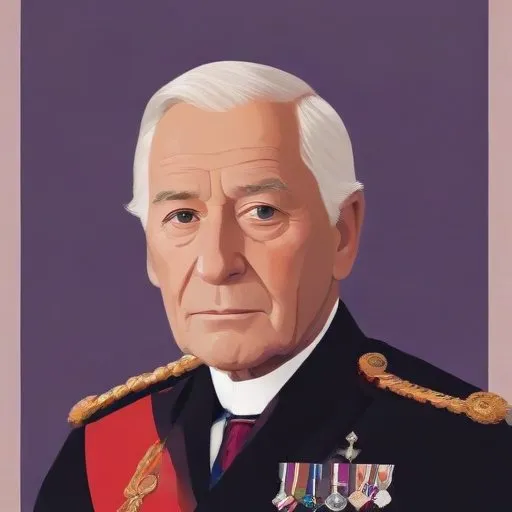
Henry Brooke, 11th Baron Cobham: The Embroiled Nobleman
A Life of Intrigue and Deceit
Henry Brooke, 11th Baron Cobham, is infamously known for his implication in the Main Plot against the rule of James I of England. This treasonous act would forever mar his reputation and cement his place in the annals of English history.
Early Life and Education
Born on November 22, 1564, Henry Brooke was the son of
William Brooke, 10th Baron Cobham, and his second wife, Frances Newton. He received his education at King's College, Cambridge, where he would lay the foundation for his future endeavors.
Lord Warden of the Cinque Ports
In 1597, Henry succeeded his father as Lord Warden of the Cinque Ports under the reign of Queen Elizabeth. This prestigious position granted him significant power and influence, which he would later abuse in his treasonous pursuits.
The Main Plot and Downfall
Following the accession of James I, Henry Brooke became embroiled in the Main Plot, a treasonous scheme aimed at overthrowing the new king. His brother, George, was executed for his role in the conspiracy, and Henry was imprisoned in the Tower of London. James I likely sought to acquire the Cobham estates for the Duke of Lennox, thereby motivating Henry's imprisonment.
Marriage and Literary Inspiration
Henry Brooke married Lady Frances Howard, daughter of Charles Howard, 1st Earl of Nottingham, and Katherine Carey, Countess of Nottingham. Interestingly, he may have been the subject of several Elizabethan satires, including Thomas Nashe's "Lenten Stuffe" and
Ben Jonson's "Every Man in His Humour." Some scholars even suggest that he could have inspired
William Shakespeare's iconic character, Falstaff.
Controversies and Public Perception
Contemporary accounts often depict Henry Brooke as a good-natured but unintelligent man. His opposition to James I's ascension to the throne, alongside Thomas Grey, 15th Baron Grey de Wilton, was driven by disagreements over religious policy. However, Lord Grey was staunchly anti-Catholic, whereas Henry's motivations remain more complex.
Legacy and Historical Context
Henry Brooke, 11th Baron Cobham, leaves behind a legacy of intrigue and deceit. His involvement in the Main Plot and subsequent imprisonment have become an integral part of English history. Although his life was marked by controversy, he remains an important figure in the annals of the Elizabethan era.
Personal Milestones and Key Life Events
- Born on November 22, 1564
- EDUCATED AT KING'S COLLEGE, CAMBRIDGE
- Succeeded his father as Lord Warden of the Cinque Ports in 1597
- Implicated in the Main Plot against James I in 1603
- Imprisoned in the Tower of London
- Died on January 24, 1618 (Old Style) or February 3, 1618 (New Style)
A Complex Figure in English History
Henry Brooke, 11th Baron Cobham, was a complex figure whose life was marked by both prestige and deceit. His involvement in the Main Plot and subsequent imprisonment have left an indelible mark on English history, making him an important figure to revisit and reexamine.
FAQ
What was the role of Henry Brooke, 11th Baron Cobham in English politics?
Henry Brooke, 11th Baron Cobham, played a significant role in English politics, serving as Lord Lieutenant of Kent and contributing to the countrys governance during a tumultuous period.
How did Henry Brooke, 11th Baron Cobham, serve his country?
Brooke served his country through various capacities, including his role as Lord Lieutenant of Kent, where he was responsible for maintaining order and stability in the region.
What is the historical significance of Henry Brooke, 11th Baron Cobham?
Henry Brooke, 11th Baron Cobham, holds historical significance as a prominent English politician who lived during the 16th century, providing valuable insights into the countrys political landscape during that era.
What is known about Henry Brooke, 11th Baron Cobhams personal life?
While details about Henry Brooke, 11th Baron Cobhams personal life are scarce, it is known that he was a member of the noble Brooke family and held various titles and positions throughout his life.
How is Henry Brooke, 11th Baron Cobham, remembered today?
Henry Brooke, 11th Baron Cobham, is remembered today as a notable figure in English history, with his contributions to politics and governance still recognized and studied by historians and scholars.