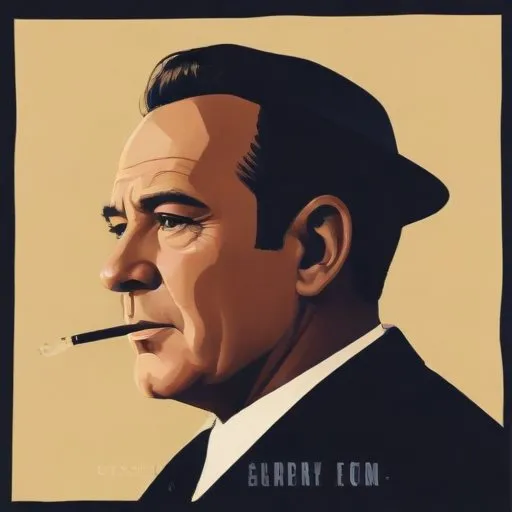
Henry Hathaway: The Prolific Director of Classic Westerns
A Legendary Filmmaker with a Noble Heritage
Henry Hathaway was a renowned American film director and producer, best known for his exceptional work in the Western genre, particularly with iconic stars
Randolph Scott and
John Wayne. With a career spanning over five decades, Hathaway directed
Gary Cooper in seven films, leaving an indelible mark on the cinematic landscape.
Early Life and Career
Born Henri Léopold de Fiennes on March 13, 1898, in Sacramento, California, Hathaway inherited a title of nobility from his paternal great-grandfather, a Belgian nobleman and barrister. His father, Rhody Hathaway, was a theatrical manager, and his mother, a Hungarian actress, performed under the name Jean Hathaway. This artistic upbringing paved the way for Hathaway's early fascination with the film industry.
At just 10 years old, Hathaway began appearing as a child actor with the American Film Company under the guidance of director Allan Dwan. This experience sparked his interest in Western-themed movies, which would later become a hallmark of his directing career.
Rise to Prominence
After leaving school at 14, Hathaway worked as an assistant property master at Universal Pictures, gradually transitioning to playing adolescent roles in 1917. During World War I, he served as a gunnery instructor at Fort
Winfield Scott in San Francisco. After the war, Hathaway briefly ventured into high finance with the Morris Audit Company, but soon returned to Hollywood in 1921 as a property man for producer-director Frank Lloyd.
Directorial Breakthrough and Notable Collaborations
Hathaway's breakthrough as a director came in 1932 with the film
The Dark Horse. He went on to direct over 60 films, including
The Lives of a Bengal Lancer (1935),
Spawn of the North (1938), and
Brigham Young (1940). His collaborations with Gary Cooper resulted in classics like
The Real Glory (1939) and
Ten Gentlemen from West Point (1942).
Westerns and John Wayne
Hathaway's work with John Wayne produced some of his most iconic films, including
The Shepherd of the Hills (1941),
In Harm's Way (1965), and
True Grit (1969), which earned Wayne his only Academy Award for Best Actor. Hathaway's directions brought a new level of authenticity to the Western genre, often incorporating location shooting and rugged realism.
Awards and Legacy
Throughout his career, Hathaway received numerous award nominations, including two Academy Award nominations for Best Director. He was honored with a star on the Hollywood Walk of Fame in 1960 and was inducted into the Western Performers Hall of Fame in 1975.
Personal Life and Later Years
Hathaway married Blanche Gonzalez in 1922, and the couple remained together until his passing on February 11, 1985. His later years were marked by health issues, but he continued to work, directing his final film,
The Don Is Dead, in 1973.
Conclusion
Henry Hathaway's remarkable career, spanning over 50 years, left an indelible mark on the film industry. His contributions to the Western genre, collaborations with iconic stars, and dedication to his craft have cemented his place as one of Hollywood's most prolific and respected directors.
FAQ
What was Henry Hathaways role in Hollywood?
Henry Hathaway was a prominent American director and producer who worked in Hollywood for over 40 years. He was known for his versatility and ability to work in a range of genres.
What were Henry Hathaways notable films?
Henry Hathaways notable films include The Lives of a Bengal Lancer, Spawn of the North, and How the West Was Won. He also directed several films starring Marilyn Monroe, including Niagara.
What was Henry Hathaways directing style?
Henry Hathaways directing style was characterized by his use of location shooting, realistic storytelling, and attention to detail. He was known for his ability to get strong performances from his actors.
What awards did Henry Hathaway receive?
Henry Hathaway received several awards and nominations for his work, including an Academy Award nomination for Best Director for The Lives of a Bengal Lancer.
What was Henry Hathaways legacy in film?
Henry Hathaways legacy in film is significant, with many considering him one of the most important directors of his era. He was a pioneer of the Western genre and influenced many later filmmakers.