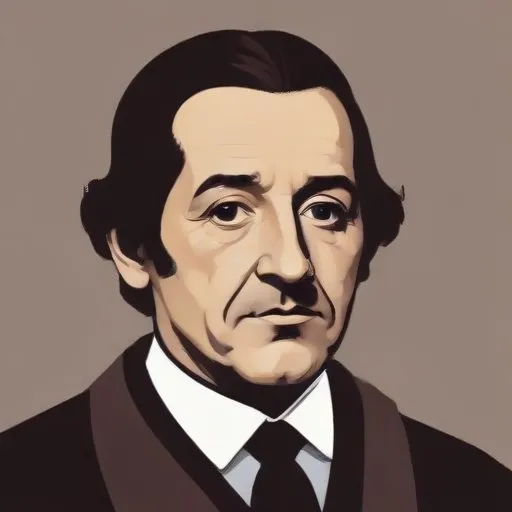
Henry St John, 1st Viscount Bolingbroke: The Tory Leader and Political Philosopher
A Life of Politics and Controversy
Henry St John, 1st Viscount Bolingbroke, was a prominent English politician, government official, and political philosopher who left an indelible mark on the 18th-century political landscape. He is best known for his leadership of the Tories, his support for the Church of England, and his involvement in the Jacobite rebellion of 1715, which sought to overthrow King George I.
Early Life and Education
Bolingbroke was born on September 16, 1678, at Lydiard Tregoze, the family seat in Wiltshire, and christened in Battersea. He was the son of Sir Henry St John, 4th Baronet and later 1st Viscount St John, and Lady Mary Rich, daughter of the 3rd Earl of Warwick. Although his educational background is shrouded in mystery, it is believed that he may have attended a Dissenting academy, where he acquired an exceptional knowledge of French.
Rise to Prominence
Bolingbroke's political career took off in the early 1700s, when he became a leader of the Tories and a vocal critic of the Whig government. He was known for his eloquence and his ability to rally support among the Tory ranks. In 1712, he became Secretary at War, a position that allowed him to exert significant influence over the government.
The Jacobite Rebellion and Exile
In 1715, Bolingbroke supported the Jacobite rebellion, which sought to overthrow King George I and restore the Stuart dynasty to the throne. The rebellion failed, and Bolingbroke was forced to flee to France, where he became foreign minister for
James Francis Edward Stuart, the Old Pretender. During his exile, he was attainted for treason, which meant that he was stripped of his titles and properties.
The Craftsman and Party Politics
While in exile, Bolingbroke founded
The Craftsman, a periodical that became a powerful platform for Tory ideology. Through
The Craftsman, Bolingbroke disseminated his views on the Ancient Constitution, a concept that emphasized the importance of traditional rights and liberties. His writings helped to galvanize the Tory party and paved the way for its resurgence in the 1720s.
Return to England and Later Life
In 1723, Bolingbroke was allowed to return to England, where he continued to play a significant role in politics. He remained a vocal critic of the Whig government and continued to advocate for Tory principles. Despite his controversial past, Bolingbroke died on December 12, 1751, a respected figure in British politics.
Philosophical Contributions and Beliefs
Bolingbroke's philosophical contributions were significant, and his views on the Ancient Constitution continue to influence British politics to this day. He was a strong advocate for individual liberties and believed in the importance of limiting government power. His writings on the subject remain an important part of the Tory intellectual tradition.
Personal Milestones and Key Life Events
- 1678: Born on September 16th at Lydiard Tregoze, Wiltshire
- 1698-1699: Travelled to France, Switzerland, and Italy, acquiring an exceptional knowledge of French
- 1712: Became Secretary at War
- 1715: Supported the Jacobite rebellion and fled to France
- 1723: Returned to England and continued to play a significant role in politics
- 1751: Died on December 12th
Legacy and Impact on Modern Society
Bolingbroke's legacy is complex and multifaceted. While his involvement in the Jacobite rebellion was controversial, his contributions to Tory ideology and his advocacy for individual liberties continue to shape British politics. His writings on the Ancient Constitution remain an important part of the intellectual tradition of the Tory party. As a politician, philosopher, and writer, Bolingbroke left an indelible mark on British history.
FAQ
What is Henry St Johns role in British politics?
Henry St John, 1st Viscount Bolingbroke, played a significant role in British politics, serving as Secretary of State for the Southern Department and leader of the Tory party. He was a prominent figure in the early 18th century British government.
What is Henry St Johns philosophical contribution?
Henry St John, 1st Viscount Bolingbroke, made significant philosophical contributions, particularly in the areas of political philosophy and epistemology. His ideas on government, morality, and human nature continue to be studied by scholars.
What was Henry St Johns relationship with Alexander Pope?
Henry St John, 1st Viscount Bolingbroke, was a close friend and collaborator of the poet Alexander Pope. The two men shared intellectual and artistic interests, and Pope often sought Bolingbrokes advice on his literary works.
How did Henry St Johns work impact British literature?
Henry St John, 1st Viscount Bolingbroke, had a significant impact on British literature, particularly through his influence on Alexander Pope. His own writings on philosophy and politics also contributed to the literary and intellectual landscape of the time.
What is Henry St Johns legacy in British history?
Henry St John, 1st Viscount Bolingbroke, left a lasting legacy in British history, as a prominent politician, philosopher, and literary figure. His contributions to the development of British politics, philosophy, and literature continue to be studied and appreciated today.