


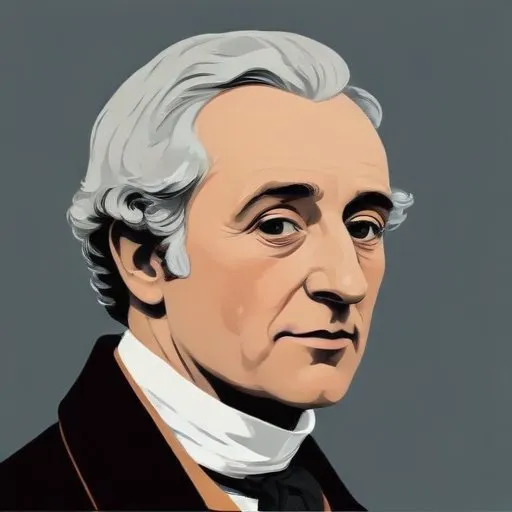
A British aristocrat and politician who served as a Member of Parliament and held various government positions, known for his diplomatic efforts and support of the British Empire.
Henry Wellesley, the 3rd Duke of Wellington, was a British peer and Conservative Party politician who made a lasting impact on British politics and society in the late 19th century. Born into a illustrious family, Wellesley's life was marked by his dedicated service to his country, both in the military and in politics.
Wellesley was born on April 5, 1846, to Lord Charles Wellesley and was a grandson of the 1st Duke of Wellington. He was born without a title, but fate had other plans for him. Between 1859 and 1865, he attended Eton, one of the most prestigious schools in England, where he received a solid education that prepared him for his future roles.
In 1865, Wellesley joined the 2nd Battalion, Grenadier Guards as an ensign, marking the beginning of his military career. He rose through the ranks, becoming a major on July 1, 1881, and eventually retiring from the service on June 28, 1882. Although his military career was cut short, he remained committed to his country and went on to serve in other capacities.
Wellesley's foray into politics began in 1868 when he contested the Parliamentary constituency of Andover, although he was unsuccessful. Undeterred, he continued to pursue his political ambitions, eventually winning the seat in 1874 and holding it until 1880. This marked the beginning of a long and distinguished political career.
In 1884, Wellesley's uncle died childless, and he inherited the dukedom, becoming the 3rd Duke of Wellington. This marked a significant turning point in his life, as he took on new responsibilities and honors. As a result of his new title, his sisters, Victoria and Mary, were granted the rank of daughters of a duke.
Wellesley's dedication to his country was recognized with several honors and appointments. He was appointed honorary colonel of the Hampshire Artillery in 1884 and the 6th West York Militia in 1886, positions he held until his death. He was also named special ambassador to Spain for the funeral of Alfonso XII in 1885 and served as chairman of the Society for the Suppression of Mendicity.
On March 7, 1882, Wellesley married Evelyn Katrine Gwenfra Williams, daughter of Thomas Peers Williams, MP. Although they had no children, their marriage was a happy one, and Evelyn went on to become a prominent figure in her own right.
Henry Wellesley, the 3rd Duke of Wellington, left behind a lasting legacy in British politics and society. Although his life was marked by controversy, including his reputation for being overweight, earning him the nickname "Spurgeon," his contributions to his country cannot be denied. He died on June 8, 1900, at the family home of Strathfield Saye, where he was buried.
Wellesley's larger-than-life personality has been immortalized in popular culture. Lady Angela Forbes, in her memoirs, recalled that he was the "fattest man I have ever seen." Despite this, he remains an important figure in British history, remembered for his dedication to his country and his people.
Today, Henry Wellesley's legacy continues to inspire and educate future generations about the importance of public service and dedication to one's country.
Born in 1770
A skilled lawyer and politician who served as Prime Minister of the United Kingdom, known for his strong oratory skills and brief but influential tenure in office.
Born in 1788
A British politician who served as Prime Minister and is credited with establishing the modern police force and repealing the Corn Laws, a major trade restriction. He's also known for his role in shaping the Conservative Party.
Born in 1759
Prime Minister of the United Kingdom from 1783 to 1801 and 1804 to 1806, known for leading the country through the French Revolutionary and Napoleonic Wars.
