


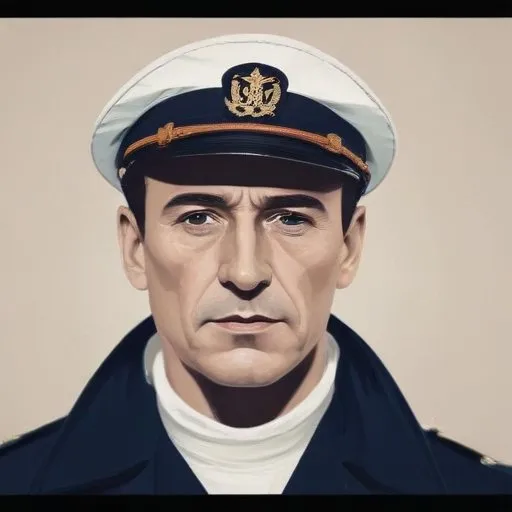
A sailor who served as the third officer on the RMS Titanic and was in charge of loading lifeboats during its ill-fated maiden voyage, later testifying at the British inquiry into the disaster.
Herbert Pitman, a seasoned English Merchant Navy seaman, is best known for his bravery and composure as the Third Officer of the ill-fated RMS Titanic during its maiden voyage in 1912. As one of the few surviving crew members, Pitman's firsthand account of the tragedy would prove invaluable in reconstructing the events of that fateful night.
Born on November 20, 1877, in the picturesque Somerset village of Sutton Montis, England, Pitman was drawn to the sea from a young age. Following his father's death in 1880, he would often help his mother with farm chores, sparking a sense of adventure and independence that would serve him well in his future career.
In 1895, Pitman joined the Merchant Navy at the age of 18, embarking on a journey that would take him across the globe. He received his nautical training at the Merchant Venturers Technical College, qualifying as a Master Mariner in August 1906. His subsequent years at sea were marked by stints with various shipping lines, including the Blue Anchor Line and the Shire Line, before joining the prestigious White Star Line in 1906.
In early 1912, Pitman received a telegram directing him to report to the White Star Line's Liverpool office, where he was assigned to the RMS Titanic as Third Officer. As the ship set sail from Southampton on April 10, 1912, Pitman was tasked with supervising the loading of cargo and passengers, working closely with First Officer William Murdoch.
On the night of April 14, 1912, disaster struck when the Titanic collided with an iceberg in the North Atlantic Ocean. Pitman's bravery and quick thinking in the face of chaos were instrumental in helping to evacuate passengers and crew. His testimony at the subsequent British inquiry into the sinking of the Titanic provided crucial insights into the events leading up to the tragedy.
In recognition of his heroism, Pitman was awarded the MBE (Member of the Order of the British Empire) in 1912. His selflessness and composure under pressure earned him the respect and admiration of his peers and the public alike.
Herbert Pitman's remarkable story serves as a testament to the bravery and sacrifice of those whorisk their lives at sea. His account of the Titanic's sinking has inspired numerous books, films, and documentaries, ensuring that the tragedy will never be forgotten. Today, Pitman's name is synonymous with heroism and duty, a reminder of the importance of courage in the face of adversity.
Born in 1850
A British merchant navy officer who captained the RMS Titanic and went down with the ship in 1912, becoming a legendary figure in maritime history.
Born in 1884
A British merchant navy officer who served as the Fourth Officer on the RMS Titanic and helped coordinate the ship's evacuation during its tragic sinking. He later testified at the inquest into the disaster.
Born in 1887
Lookout who spotted the iceberg that sank the Titanic, saving hundreds of lives with his warning. He was a key figure in one of the most infamous maritime disasters in history.
Born in 1864
A wealthy businessman and member of the prominent Astor family, he played a significant role in the development of New York City's iconic Waldorf-Astoria Hotel.
Born in 1865
A U.S. Army officer who served as a military aide to U.S. presidents Theodore Roosevelt and William Howard Taft, and is best known for his heroic actions during the sinking of the RMS Titanic.
