


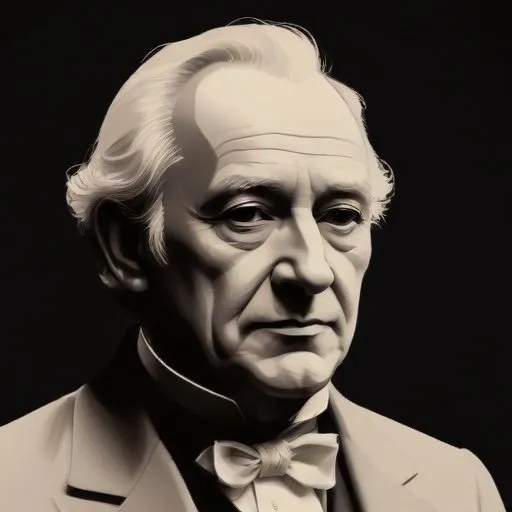
A renowned composer and conductor, he scored music for numerous films, including "The Wizard of Oz," earning him an Academy Award. His iconic scores still enchant audiences today.
Herbert Stothart is renowned for his iconic scores and timeless compositions that have captivated audiences for generations, earning him an Academy Award for Best Original Score for the 1939 classic, The Wizard of Oz. As a prominent member of Hollywood's elite composers during the 1930s and 1940s, Stothart's work continues to leave an indelible mark on the film industry.
Born on September 11, 1885, in Milwaukee, Wisconsin, Stothart's musical talents were nurtured through his studies in Europe and at the University of Wisconsin-Madison, where he later taught. His early exposure to music paved the way for a successful career in the industry.
Stothart's big break came when he was hired by producer Arthur Hammerstein as a musical director for touring companies of Broadway shows. He soon began composing music for Oscar Hammerstein II's productions, including the famous operetta, Rose-Marie. Collaborations with renowned composers such as Vincent Youmans, George Gershwin, and Franz Lehr further solidified his reputation in the industry.
With the advent of sound in films, Stothart received an invitation from Louis B. Mayer to join MGM Studios in 1929. This marked the beginning of a twenty-year tenure, during which he became an integral part of the elite group of Hollywood composers. His work on films like The Cuban Love Song, The Good Earth, Romeo and Juliet, Mutiny on the Bounty, Mrs. Miniver, The Green Years, and The Picture of Dorian Gray showcased his versatility and talent.
Stothart's contributions to the film industry did not go unnoticed. He was nominated for twelve Academy Awards and won the Best Original Score award for The Wizard of Oz. His work was also recognized with numerous other accolades, solidifying his position as one of the most respected composers of his time.
Herbert Stothart's impact on the film industry extends beyond his impressive body of work. He has inspired generations of composers and continues to be celebrated for his innovative approach to scoring. His legacy serves as a testament to the power of music in storytelling, and his contributions to Hollywood's Golden Age remain unparalleled.
Herbert Stothart's remarkable career serves as a shining example of dedication, creativity, and passion. His music continues to captivate audiences, and his influence on the film industry remains an enduring testament to his genius.
Born in 1871
A pioneering realist writer who chronicled the lives of the American working class, capturing the gritty realities of urban existence through novels like "Sister Carrie" and "An American Tragedy".
Born in 1896
Author of novels and short stories that capture the essence of the Jazz Age, exploring themes of wealth, class, and the American Dream. Known for timeless classics like "The Great Gatsby" and "Tender Is the Night".
Born in 1892
A pioneering filmmaker who charmed audiences with sophisticated comedies and witty romantic dramas, often blending satire and social commentary.
Born in 1894
A pioneering filmmaker behind iconic movies like "The Crowd" and "Hallelujah!", known for his innovative storytelling and socially conscious themes.
Born in 1897
A child prodigy turned Hollywood legend, he composed iconic film scores, including the swashbuckling adventures of Errol Flynn, and is revered for his lush, romantic music.
Born in 1888
A renowned composer and conductor, he scored iconic Hollywood films, including "Gone with the Wind" and "Casablanca", creating unforgettable soundtracks that elevated cinematic experiences.
Born in 1900
A renowned composer and conductor of film scores, best known for his iconic themes and orchestral arrangements in classic Hollywood movies. His work has been widely acclaimed and has left a lasting impact on the film industry.
Born in 1894
A renowned composer and conductor who scored iconic films like "High Noon" and "It's a Wonderful Life", creating memorable themes that evoke emotions and nostalgia.
