


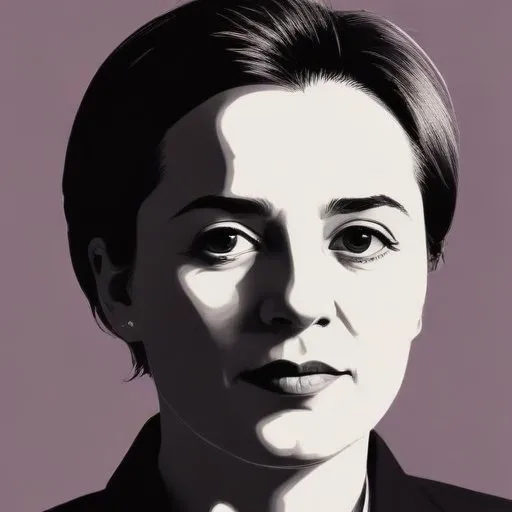
French Minister of Foreign Affairs who served from 1995 to 1997 and played a key role in shaping France's foreign policy during the Bosnian War .
Herv de Charette is a French centrist politician known for his pivotal role in shaping the country's political landscape, particularly during the 1980s and 1990s. As a member of the Union for French Democracy (UDF) and later the Union for a Popular Movement (UMP), de Charette held various ministerial positions, including Minister of Civil Service, Minister of Housing, and Minister of Foreign Affairs.
Born on July 30, 1938, in Paris, France, de Charette hails from a prominent royalist family. He is a descendant of François de Charette, a renowned military leader, and King Charles X of France. This storied lineage would later influence his political ideals and trajectory.
De Charette's political journey began in 1986 when he was elected deputy for the Maine-et-Loire department. During the first cohabitation (1986-1988), he served as Minister of Civil Service, and later, during the second cohabitation (1993-1995), he held the position of Minister of Housing.
De Charette remained loyal to UDF leader Valéry Giscard d'Estaing and supported Jacques Chirac's candidacy in the 1995 presidential election. After Chirac's victory, de Charette founded and led the Popular Party for French Democracy (PPFD), a component of the UDF. He then served as Minister of Foreign Affairs until the 1997 legislative election.
In 2002, de Charette joined the Union for a Popular Movement (UMP), but in 2009, he left the party to join the Nouveau Centre.
Throughout his career, de Charette has advocated for centrist politics, often finding himself at the crossroads of left- and right-wing ideologies. His commitment to French democracy and republicanism has led him to take a pragmatic approach to governance, frequently seeking common ground among disparate factions.
De Charette's contributions to French politics have had a lasting impact on the country's governance and international relations. His experience in various ministerial positions has allowed him to shape policy and legislation, influencing the lives of French citizens and the country's position on the global stage.
De Charette's ministerial positions and party leadership roles have allowed him to shape policy and legislation in various areas, including civil service, housing, and foreign affairs. His commitment to centrist politics has made him a significant figure in French politics.
As a testament to his influence, de Charette has been recognized for his contributions to French democracy, earning him a place in the country's political history.
Today, de Charette continues to be an active participant in French politics, offering his expertise and insights to shape the country's future.
Legacy is the culmination of one's life's work, and Herv de Charette's dedication to French democracy and centrist politics has left an indelible mark on the country's history.
93 Years Old
A French military officer and statesman who served as President of France from 1995 to 2007, known for his opposition to the US-led invasion of Iraq and his efforts to strengthen the European Union.
Born in 1916
A French lawyer and politician who served as the 21st President of France, known for his socialist policies and role in shaping the European Union. He's also remembered for his controversial past and complex personality.
72 Years Old
A Moroccan-French lawyer and politician who served as Prime Minister of France, known for his diplomatic efforts and opposition to the Iraq War. He's a prominent figure in French politics.
79 Years Old
A French lawyer and politician who served as Foreign Minister, known for her efforts to reform the French justice system and her role in shaping European foreign policy.
79 Years Old
The 158th Prime Minister of France, a prominent figure in French politics, known for his leadership during the Maastricht Treaty negotiations and his role in shaping the European Union.
