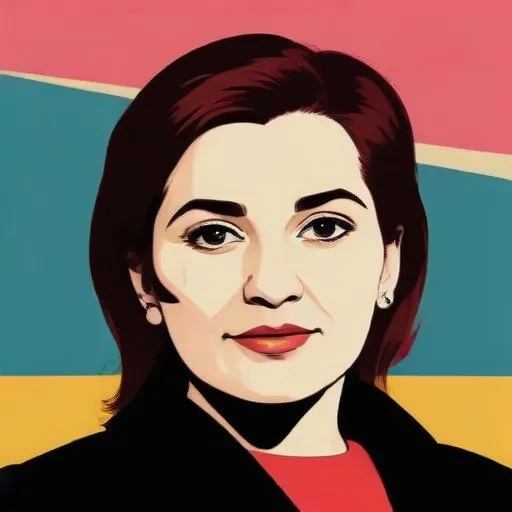
Hilda Taba: The Pioneering Curriculum Theorist
A Trailblazer in Education
Hilda Taba was a renowned Estonian-American educator, philosopher, and architect who revolutionized the field of education with her groundbreaking theories on curriculum development and teaching methods. Known for her work in progressive education, Taba's innovative approaches focused on developing critical thinking, democratic relationships, and student-centered learning.
Early Life and Education
Born on December 7, 1902, in Kooraste, Estonia, Taba grew up in a family that valued education. Her father, Robert Taba, was a schoolmaster, and her mother, Liisa Leht, instilled in her a love for learning. Taba's early education took place at the Kanepi Parish School and the Vrus Girls Grammar School. She then pursued her undergraduate degree in English and Philosophy from the University of Tartu.
American Odyssey
Taba's academic journey continued at Bryn Mawr College in Pennsylvania, where she earned her master's degree. This was followed by her studies at Teachers College, Columbia University. Despite facing gender-based discrimination, which led to her being turned down for a job at the University of Tartu, Taba persevered and became the curriculum director at the Dalton School in New York City.
Academic Contributions and Legacy
Taba's most significant contribution to education was her dissertation, "Dynamics of Education: A Methodology of Progressive Educational Thought" (1932). This seminal work emphasized the importance of democratic relationships, dynamic learning processes, and educator accountability. Her book, "Curriculum Development: Theory and Practice" (1962), further solidified her reputation as a pioneering curriculum theorist.
Influence and Impact
Taba's work had a profound impact on modern education. Her emphasis on critical thinking, student-centered learning, and democratic values continues to influence educational policies and practices worldwide. Her philosophical contributions have inspired generations of educators, policymakers, and researchers.
Personal Milestones and Key Life Events
- In 1951, Taba accepted an invitation to become a professor at San Francisco State College (now San Francisco State University).
- She was a student of John Dewey, a prominent American philosopher and educator.
- Taba wrote a total of seven books, cementing her legacy as a leading educational theorist.
Quote and Memorable Saying
"The most important thing in education is to make the student aware of his own ignorance, and then to encourage him to ask questions."
Historical Context and Legacy
Hilda Taba's contributions to education have left an indelible mark on the field. Her visionary ideas have shaped the way we teach and learn, emphasizing the importance of critical thinking, democratic values, and student-centered education. As a pioneering curriculum theorist, Taba's legacy continues to inspire educators, policymakers, and researchers worldwide.
FAQ
What is Hilda Tabas educational background?
Hilda Taba studied architecture and pedagogy at the University of Tartu in Estonia. She later earned her doctoral degree in education from the University of California, Berkeley.
What is Hilda Tabas approach to education?
Hilda Tabas approach to education is characterized by her emphasis on critical thinking, problem-solving, and social responsibility. She is known for her innovative and student-centered teaching methods.
Did Hilda Taba win any awards for her work?
Yes, Hilda Taba won several awards for her contributions to education, including the 1965 Womens Research Award from the American Educational Research Association.
What is Hilda Tabas connection to the United States?
Hilda Taba emigrated to the United States in the 1940s and became a prominent figure in American education. She taught at several universities and was a respected authority on curriculum development and educational reform.
What is Hilda Tabas legacy?
Hilda Tabas legacy is marked by her contributions to educational theory and practice, as well as her commitment to social justice and equity in education. She is remembered as a pioneering educator and a dedicated advocate for students and teachers.